Tag: Atlantic forest

  • The relevance of species diversity and composition in restoration plantings: a case study in the Atlantic Forest in Brazil

    The relevance of species diversity and composition in restoration plantings: a case study in the Atlantic Forest in Brazil

    By Dr. Ricardo Viani

    Ricardo Viani is a professor at the Universidade Federal de São Carlos, Brazil, where he coordinates the LASPEF (viani@ufscar.br)

    The Atlantic Forest in Brazil is a highly diverse tropical forest, listed as a global hotspot for biodiversity conservation. It is also the home of the two biggest Brazilian cities, São Paulo and Rio de Janeiro, and it is where most Brazilians live; around 150 million people inhabit and depend on the Atlantic Forest for the provision of ecosystem services.

    Originally covering about 1.2 million square kilometers (297 million acres), the Atlantic Forest now covers less than 20% of its original area because of centuries of degradation. It is no wonder that the Atlantic Forest stands out globally as a region where forest restoration is urgently needed and is being taken seriously. In recent decades, many large-scale Atlantic Forest restoration programs have been implemented and, in 2009, the Pacto (Atlantic Forest Restoration Pact), a coalition of hundreds of institutions working for Atlantic Forest restoration, was launched. For its work, the Pacto was recognized as a World Restoration Flagship by the United Nations Decade on Ecosystem Restoration, highlighting it as a global example of an ongoing, large-scale, and long-term ecosystem restoration effort.

    Landscapes where forest restoration plantings are usually done in the Atlantic Forest in Brazil. A sugarcane plantation (left, photo: Paulo Molin) and a pasture matrix (right, photo: Ricardo Viani), with variable levels of scattered remaining forest.

    After decades of Atlantic Forest restoration efforts, it is time to evaluate what we have done so far, not only to assess the outcomes but also to inform other large-scale restoration initiatives worldwide. Thus, we recently investigated which tree species were included in 1,073 forest restoration plantings implemented from 2002 to 2018 in the Brazilian Atlantic Forest by restoration programs carried out by the NGO SOS Mata Atlântica.

    Overall, 423 tree species were included in the evaluated plantings, which represent less than 8% of the Atlantic Forest tree flora. In comparison with remaining forest patches, restoration plantings skewed towards nitrogen-fixing, non-animal-dispersed, and pioneer species. Plantings had poorly included endangered and endemic species as well as species that were previously indicated as priority for restoration based on their ecological interactions, carbon storage, and conservation values.

    However, the more striking result is that restoration initiatives are planting the same set of limited tree species across the whole Atlantic Forest. Although the Atlantic Forest has three types of forests (the Araucaria Forest, the Rainforest, and the Seasonal Forest), each one with their own singular floristics, restoration plantings are overall more similar in species composition to each other than to the remnants of the type of forest of the region where they exist. In other words, we plant the same species without considering spatial variation in local and regional floras.

    This pattern raises an uncomfortable question. Is large-scale restoration via tree planting contributing to biotic homogenization, that is, the tendency for distinct places to become more similar?

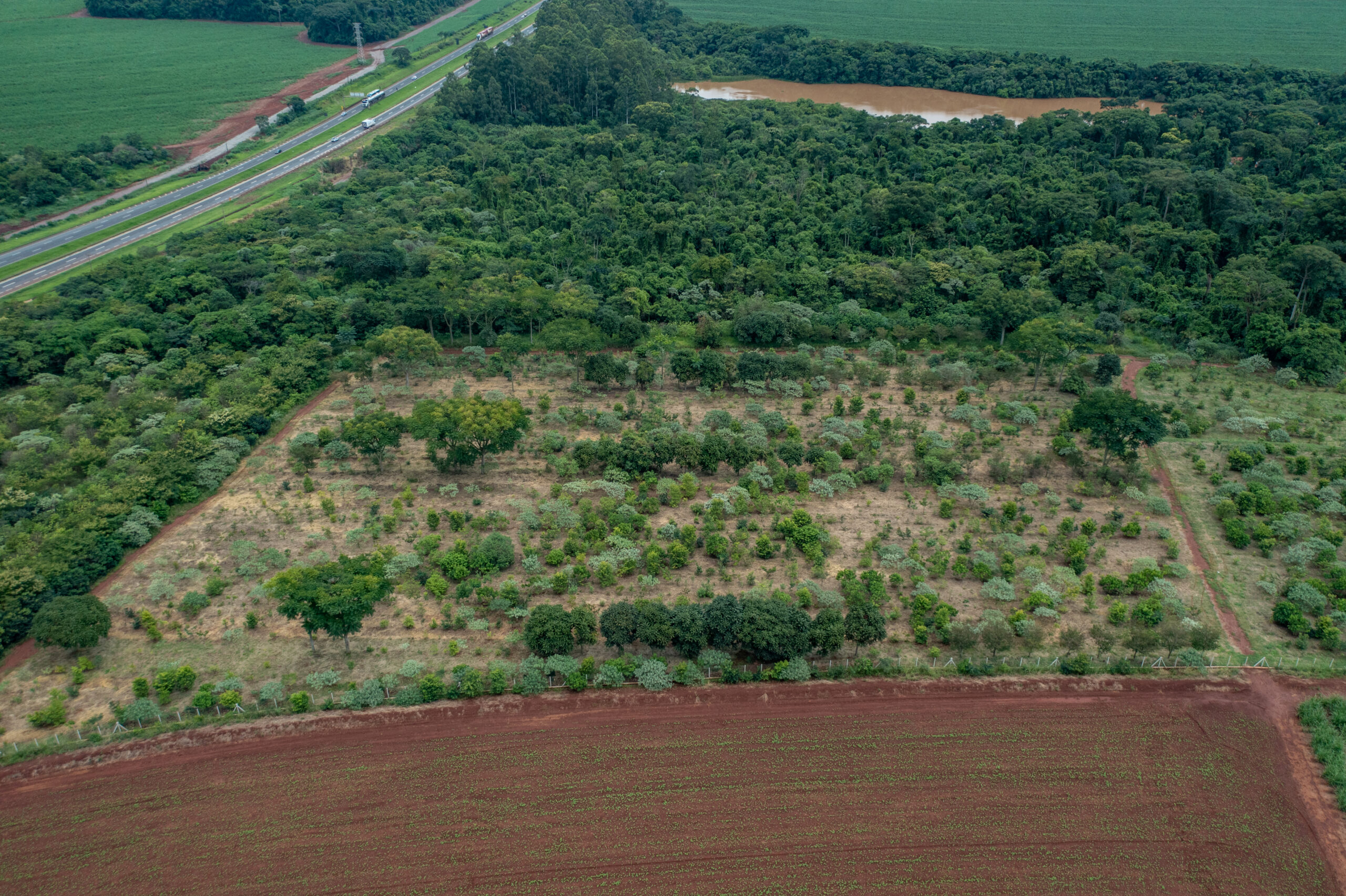
    A tropical forest restoration planting in the Atlantic Forest in Brazil. Plantings tend to be done with a similar set of species across the whole Atlantic Forest. Photo: Ricardo Viani

    Why should we pay attention to the trees we plant for tropical forest restoration?

    One may say that our role in tropical forest restoration is to trigger ecological succession, and it is not relevant if we plant just a few tree species across a wide, diverse region. Actually, some argue that we should plant the same species everywhere, by selecting and planting the best species to accelerate early forest development . This is one explanation for the overrepresentation of pioneer trees in restoration plantings, and a reason to increase the representation of generalist animal-dispersed trees, which attract native fauna to restoration sites and favor natural regeneration under planted trees. Another argument may be that evaluating what we plant for forest restoration is not so important because non-planted species will naturally colonize planting sites later on and change their floristic composition. However, this statement and the previous one are acceptable only if regional tree species can colonize restoration sites in fragmented landscapes – a questionable premise in typical landscapes of southeastern Brazil.

    The few studies available in rich tropical forests show that many non-planted trees species colonize restoration plantings, which is good news. However, some functional groups, such as slow-growing tree species dispersed by gravity or by larger animals tend to be bad colonizers, especially in fragmented or defaunated landscapes. In other words, if they are not planted, many tree species will not reach restoration sites on their own, and we should pay more attention to their inclusion in restoration plantings.

    Finally, we need also to consider that restoration is a strategy to promote in situ tree species conservation. The Atlantic Forest has more than 4,000 native tree species, almost half of them endemic, and dozens threatened by extinction. However, few endemic and threatened tree species are included in restoration plantings and some of the ones that are included are only used infrequently and in low abundance. Probably, some of them are also rare, absent in fragmented landscapes, and not good colonizers, which increases the importance of their planned and careful inclusion in restoration efforts.

    A practitioner planting a slow-growing tree in the understory of previously planted pioneer trees. This is part of an experiment in the Atlantic Forest in Brazil, aiming to answer when it is better to plant slow-growing species: together with pioneer trees or under their shade. Photo: Ricardo Viani

    The way forward

    Restoration initiatives have done great work for the Atlantic Forest in recent decades, but there are always points that could be improved, such as the representation of regional flora and of some groups of species currently underrepresented in plantings (e.g., animal-dispersed, endangered, high value species for conservation, etc.). Solving this issue involves much more than just recommending their inclusion in restoration initiatives. Many of these species are rare, lots of them do not have seeds or seedlings available for restoration and, many, if not most, are slow-growing trees. Knowing how restoration practitioners perceive the importance of species diversity, selection, and composition for restoration plantings and potential trade-offs in prioritizing diversity representation versus fast early recovery may give insights on strategies to overcome this challenge.

    In addition, as many underrepresented species in tropical forest restoration plantings are slow-growing, it is worth studying ways of introducing these species in restoration plantings. For instance, should we plant slow-growing trees under full-sun or under the canopy of previously planted pioneer trees? How can we balance the composition of restoration plantings to include slow-growing species without losing the benefits of rapid forest development promoted by fast-growing species? All these questions are still to be answered and part of my ongoing research project Optimizing high-diversity restoration: perceptions and approaches to add tree diversity in tropical forest restoration plantings.

     We are on our way, but there is still a long path to go before restoration will truly represent the diversity of complex and unique biomes.

    For more information, read our paper recent paper in Forest Ecology and Management or contact Dr. Viani (viani@ufscar.br).

    Part of an Atlantic Forest restoration experiment in Brazil where different abundances of fast and slow-growing species are being assessed aiming to find the best strategy to add slow-growing trees in tropical forest restoration plantings. Photo: Paulo Molin
  • Understanding the contributions of restored forests for nature and people: The NewFor Project

    Understanding the contributions of restored forests for nature and people: The NewFor Project

    By Dr. Pedro Brancalion

    Dr. Brancalion is an associate professor of tropical forestry in the Department of Forest Sciences at the Luiz de Queiroz College of Agriculture (ESALQ) of the University of São Paulo. A leading expert in tropical forest restoration, Dr. Brancalion coordinates the Laboratory of Tropical Forestry (LASTROP), is partner at Re.green – a restoration company, is the Director of Innovation of the Center for Carbon Research in Tropical Agriculture, and member of the coordination board of the Center of Studies Sustainable Amazon.

    Forest Landscape Restoration (FLR) emerged as a promising approach to revitalize degraded and deforested landscapes, by recovering their biodiversity, ecosystem services, and economic value. The Bonn Challenge is a pivotal FLR initiative, with an overarching goal of restoring 350 million hectares of degraded land by 2030. Over 210 million hectares have been pledged so far, by more than 60 nations, mostly across the tropics. Given its importance for mitigating some of the most pressing environmental crises of our time, like climate change and the sixth mass extinction, the Bonn Challenge and other FLR initiatives are strongly connected to other environmental and restoration programs, such as the Paris Climate Agreement, the United Nations’ Decade on Ecosystem Restoration and the UN Sustainable Development Goals. In spite of great promises and expectations, the implementation of these pledges has lagged behind schedule, highlighting the need to better engage local people by promoting FLR approaches that maximize desired benefits and overcome critical barriers for implementation.

    FLR can be implemented through several reforestation approaches, including natural forest re-growth, mixed plantations of native species, monoculture tree plantations, and agroforestry. Planning the distribution of these approaches over space and time is a critical step towards effective FLR, and it depends on local socioecological conditions, targeted benefits, and stakeholders’ perceptions of the potential of each FLR approach to deliver these expected benefits. The aim of FLR is to establish multipurpose landscapes, where different FLR approaches are implemented in different areas to maximize various benefits.

    Two contrasting farms in Colombia: On the left, a traditional cattle ranching farm in which most of the landholding area, even the riparian buffers, is occupied by planted pastures. The variation of color of the pastures (light green in the lower lands where soil is more fertile, and brownish at the slopes where soil is shallow, and erosion is high) is a clear indication that only a small portion of the land is productive. On the right, a restored farm, which had a similar initial condition to the neighbor farm but was submitted to FLR interventions over the past 20 years by a non-governmental organization, CIPAV. Degraded pastures in the slopes were abandoned for natural forest regeneration, a eucalyptus woodlot was planted to supply wood and fencing poles, a silvopastoral system was established in the lowlands, and restoration plantations were employed to protect riparian buffers (such plantations are not shown in the photo). Photo: P. Brancalion.

    FLR relies on the increase in landscape heterogeneity for recovering multiple environmental benefits. However, nearly half of the FLR pledges to the Bonn Challenge are composed of monoculture tree plantations, which maximize financial returns in the short term but undermine the optimal recovery of biodiversity and ecosystem services. Rather than promoting landscape heterogeneity, some of these FLR initiatives may have promoted the opposite process, a form of forest landscape degradation that may magnify the impacts of climate change and the biodiversity crisis. A critical step to shift the direction is to better understand the pros and cons of different FLR approaches for delivering contributions for nature and people.

    The NewFor Project

    The Atlantic Forest of Brazil is a top global hotspot for the restoration of tropical rainforest landscapes. Since mid-2010’s, there has been a net increase in native forest cover and a fast expansion of eucalypt plantations, indicating that his region is rapidly transitioning to a mosaic of agricultural, forest, and urban landscapes. However, rather than the old-growth native forest remnants that once covered the region before deforestation, the new forest cover is now composed of a heterogeneous mosaic of different tree cover types. My colleagues and I believe it is important to understand how different tree cover types in different socioecological contexts influence human wellbeing and conservation. Doing so will allow us to develop new landscape-scale rules of thumb for FLR and will inform a menu of FLR options available to restoration practitioners to help them achieve their goals. At the same time, it would allow us to decipher some guidelines for restoration practice and offer a more robust menu of options for restoration practitioners to select the restoration approaches that better match their restoration conditions and expected benefits.

    With these premises in mind, the project “Understanding restored forest benefits for nature and people – NewFor” was established initially as a partnership between the University of São Paulo (Brazil) and Wageningen University and Research (The Netherlands), financially supported by the São Paulo Research Foundation (FAPESP) and the Dutch Research Council (NWO). However, what was initially established as a research project between two universities rapidly transformed into a broad network of research organizations, NGOs (10), private companies (13), governmental agencies (5), and farms (over 50), which greatly increased the financial and logistical support of the project and allowed us to scale up our FLR project evaluations. These organizations have actively collaborated in the co-production of knowledge with researchers, an essential step towards more effective and transformative restoration.

    The NewFor team. Photo: Gehard Waller.

    The NewFor Project was initiated in 2020 based on the application of a protocol for evaluating forest multifunctionality (soil carbon, chemical and physical evaluations, soil water infiltration, litter and dead wood stocks, forest inventory of trees with diameter at breast height ≥5 cm, counting of regenerating individuals with height ≥2 m and diameter <5 cm, in 30 x 30 m plots) in different tree cover types (natural forest re-growth, mixed species restoration plantations, monoculture tree plantations, agroforests, forest remnants and agropastoral land uses as a control) distributed across a broad range of age and biophysical conditions (soil and climate types, relief, neighboring land uses, landscape connectivity). Further, the field plots were integrated into remote sensing evaluations based on lidar and hyperspectral sensors carried on drones and airplanes. The study area is the state of São Paulo, in southeastern Brazil, where most of the biophysical gradients of interest were present and restoration projects abound.

    The NewFor Project has been implemented through the following step:

    • identification of a local partner who knows the region and can help identify and access different types of tree cover;
    • evaluation of aerial and satellite images to create land use/cover maps, which are validated with a local partner and further used to randomly allocate the position of the field plot;
    • field checking of the land use/cover, allocation of the permanent plots in the field with plastic tubes at the corners and high-precision geolocation;
    • implementation of the protocol, tagging each tree with a metallic tag;
    • flights over the field plot and the polygon with the tree cover type where the plot is located;
    • processing of the samples in laboratory; and
    • organization, storage, and validation of the data and metadata.

    So far, the project accumulated data for more than 700 plots, which includes nearly 1,200 tree species, ~80,000 stems and ~50,000 trees, and obtained lidar data for ~400,000 hectares.

    Field work by the NewFor team. Photos: Pedro Brancalion

    Activities of the geospatial team: high-precision geolocation of the plots with a GNSS GPS equipment, field checking of the delimitation of the boundaries of the polygon composed by the tree cover type of interest where the field plots are established, and flight over the polygon and plot with a drone equipped with a lidar and hyperspectral sensor. Photos: Paulo Molin

    Although few results of the project have been published in the literature so far, the bulk of data analysis, publications, and policy recommendations are about to start, as data collection has finished, and the dataset is ready to use. One of the most immediate – and perhaps most important – impacts of the NewFor Project was the inspiration for creating a similar nation-wide initiative by the Ministry of Science, Technology and Innovation, the Regenera Brasil initiative, which will employ a similar monitoring approach across all Brazilian regions and vegetation types, with the support of local research and outreach organizations. The Regenera Brasil project is about to start, which may make Brazil the first country to have a national restoration inventory.

    To learn more about the NewFor Project, visit our blog and read our scientific papers about distinguishing between different FLR-related tree cover types and monitoring the outcomes of FLR interventions using UAV-based remote sensing, or contact the author. Also, follow us in social media: Instagram, YouTube, LinkedIn, and Facebook.

    For additional information, contact Pedro Brancalion: pedrob@usp.br

  • Seedlings planted for Brazilian forest restoration are not representative of tropical tree biodiversity

    Seedlings planted for Brazilian forest restoration are not representative of tropical tree biodiversity

    A collaborative research project involving MBG’s Center for Conservation and Sustainable Development, the Tropical Silviculture Lab at the University of São Paulo, and the PARTNERS research coordination network highlights important differences between the native tree flora of the Brazilian Atlantic Forest and the species that are widely planted for ecological restoration projects.

    The Brazilian Atlantic Forest is a global biodiversity hotspot. This designation denotes two things. First, the Atlantic Forest is exceptionally and uniquely biodiverse. Second, the biodiversity of the Atlantic Forest is exceptionally threatened. This once-vast biome historically stretched from northern Argentina to Brazil’s eastern tip in Rio Grande do Norte, but it is now reduced to about 12% of its original size, and most of what remains exists as small, isolated fragments.

    During the past decade, a major, multilateral effort has been undertaken to staunch biodiversity loss by doubling the size of the Atlantic Forest through ecological restoration. The Atlantic Forest Restoration Pact is composed of more than 270 private companies, governments, NGOs, and research organizations. It aims to restore 15 million hectares of Atlantic Forest by 2050.

    Image_Atlantic_Forest_WWF
    The Atlantic Forest biome: a global biodiversity hotspot and the site of the most ambitious tropical forest restoration project on the planet. Map imagery from NASA via Wikimedia Commons.

    Atlantic Forest restoration projects are characteristically thorough and well-documented. For example, they often include high diversity plantings more than 80 tree species. Yet until recently there had never been a systematic study to evaluate how well these restoration plantings represented the Atlantic Forest biodiversity they aimed to protect.

    Dr. Pedro Brancalion is a professor at the University of São Paulo’s agricultural school in Piracicaba, Brazil, where he co-directs the Tropical Silviculture Lab. Five years ago, he approached me at a meeting of the Society for Ecological Restoration in Madison, Wisconsin, and over a beer he told me about a dataset that he thought could shed light on the how well Atlantic Forest restoration projects were conserving tree biodiversity. The dataset consisted of seedling donation records from the NGO SOS Mata Atlântica. Between 2002 and 2015, the NGO donated more than 14 million tree seedlings to 961 restoration projects. By comparing the species composition in these records to tree species living in mature forests, we could see what elements of biodiversity might be missing and how this could be affecting carbon stocking – an important factor in mitigating global climate change.

    Even in high diversity plantings, many of the most threatened tree species were not included.

    Last month, Pedro and our collaborative team published a paper in Conservation Letters describing our results. We found that restoration projects in the Atlantic Forest biome had included 416 tree species out of the >2,500 tree species known from mature and old-growth forest fragments. This is an impressive figure, but the team discovered that it reflects a highly biased subsample of the Atlantic Forest tree flora. The most under-represented species were those with large seeds that are dispersed by animals. Animal-dispersed trees make up as much as 89% of tree species in some parts of the Atlantic Forest and include some of the most threatened species.

    The reason that large-seeded, animal-dispersed species are being used less often was probably related to the cost and challenges of collecting and growing seeds. Large-seeded, animal-dispersed trees are more expensive to purchase from nurseries than small-seeded or wind-dispersed species. Because they are energetically expensive to produce and are contained within large fruits, trees tend to produce large seeds in relatively low quantities, with just one or a few seeds per fruit. They are generally found in remote forest areas, and seed collectors have to compete for them with seed-eating animals, like peccaries and agoutis. Once large seeds are collected, they also take up considerably more space in storage and production facilities.

    Image_SeedComparison
    In our analysis of animal-dispersed tree species, seed diameter explained 87% of the variance in seed price. Large seeds like those of Caryocar brasiliense were much more expensive than small ones, like Ficus guaranitica. Grid size: 1 mm. Photos reproduced from C. N. Souza Junior & P. H. S. Brancalion (2016).

    The absence of large-seeded, animal-dispersed tree species in restoration plantings has important implications for biodiversity conservation. First, fewer large-seeded trees means less food for large birds, some of which eat mainly large fruits. Second, these species are sometimes overharvested for timber and have difficulty recolonizing forests from which they have been removed. So the fact that large-seeded, animal-dispersed trees are under-represented in restoration projects means that even if the ambitious restoration goals of the Atlantic Forest Restoration Pact are met, the increase in forest cover may not improve dispersal between fragmented populations of the most vulnerable species.

    Large-seeded tree species also tend to store carbon more densely than small-seeded species. This tendency is related to large-seeded species growing slowly in the shady understory of the Atlantic Forest and their gradual formation of dense wood, which is rich in carbon. We simulated potential carbon stocking in restored forests and compared it to mature forests, and our results showed that under-representation of large-seeded, animal-dispersed trees could cause a 2.8-10.6% reduction in carbon storage. Based on the current price of carbon, this loss could represent $17-63 USD per hectare in lost carbon credits.

    Fragment_Pedro
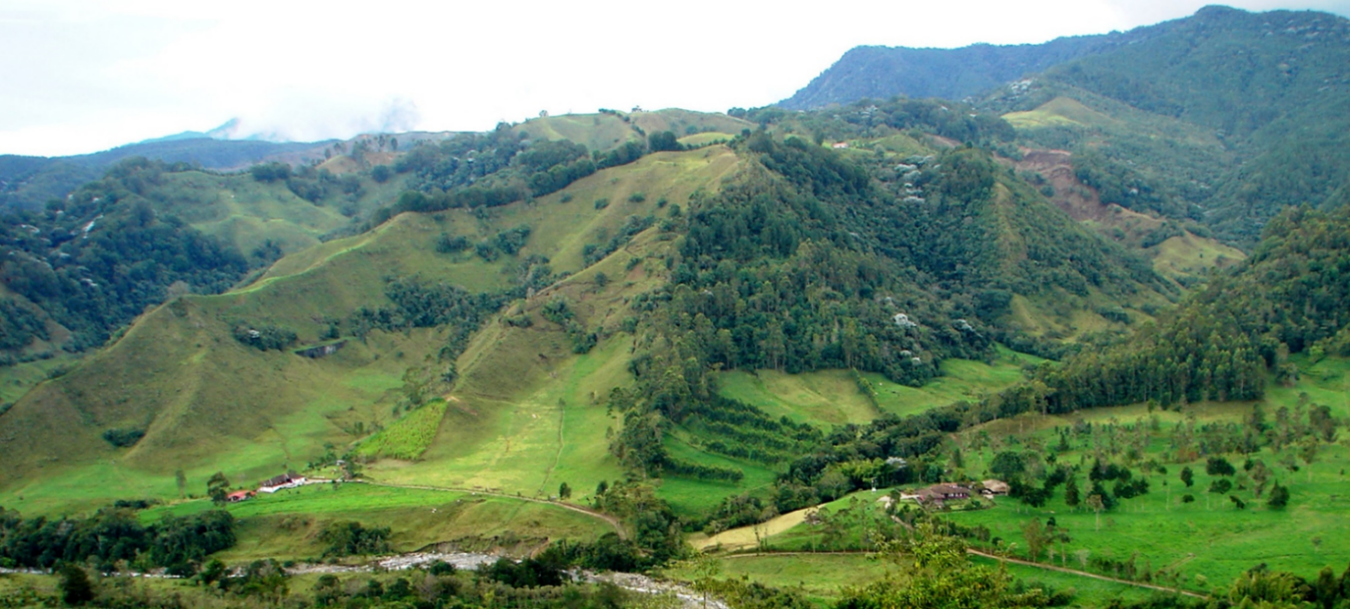
    Many Atlantic Forest restoration projects are quite isolated. A large seed would have a hard time reaching sites like this forest in a sugarcane matrix. Photo by Pedro Brancalion.

    Reduced capacity for biodiversity conservation and carbon stocking sounds like bad news, and indeed it is not ideal. However, restoration ecology moves forward by identifying problems and seeking scientifically-based solutions to overcome them. Knowing that large-seeded, animal-dispersed trees are under-represented in restoration plantings means that we can turn our attention to innovative solutions.

    For example, new policies could help bridge the gap between Brazil’s exceptional tree biodiversity and the relative paucity of species being used for ecological restoration. One way this could happen would be for the Brazilian government to subsidize the cost of producing large-seeded, animal-dispersed tree seedlings. This could be done through financial incentives or potentially by opening some forest reserves for seed harvesting, to make it easier for collectors to acquire these species. Facilitating uptake by reducing costs would be a carrot. A stick could be to legally mandate some representation of these species in future restoration plantings.

    Market solutions may also exist. Based on our calculations, adding more large-seeded, animal-dispersed species to restoration plantings would increase carbon storage and carbon credits, offsetting the cost of the expensive seedlings and creating a net gain of $3-32 USD per hectare.

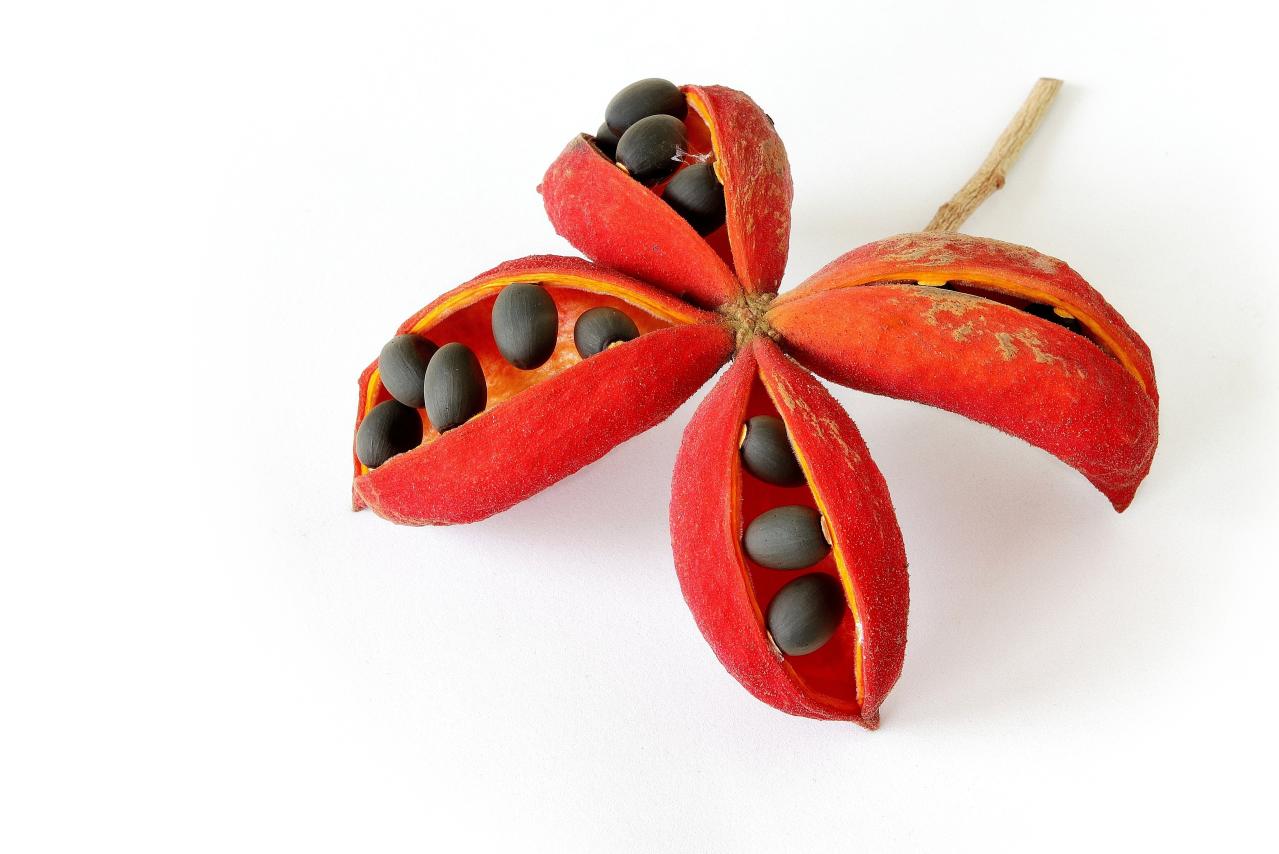
    Banner image: Sterculia striata (Malvaceae). Photo by Mauricio Mercadante. CC BY-NC-SA 2.0.

  • Drivers of epiphyte recovery in secondary forests in southeastern Brazil

    Drivers of epiphyte recovery in secondary forests in southeastern Brazil

    Alex Fernando Mendes is an undergraduate researcher in the Tropical Silviculture Lab at the University of São Paulo, Brazil. He describes his thesis project, undertaken in dozens of forest fragments in the endangered Atlantic Forest biome. Currently, Alex is analyzing his data as a visiting researcher in the Center for Conservation and Sustainable Development.

    Historically, intensive agriculture in the Brazilian Atlantic Forest has caused large-scale deforestation of this biome. However, new legal requirements, land exhaustion, and the shifting priorities of farmers have recently allowed forests to regenerate on some formerly farmed lands. Given the unique nature of the Atlantic Forest, its high species endemism, and its potential for providing ecosystem services, the Tropical Silviculture Lab (LASTROP) at the University of São Paulo, coordinated by Prof. Pedro Brancalion and its partners, initiated a project in 2014 to better understand the structure and composition of these new forests.

    However, forests aren’t made solely of trees. Among the plant components of a forest, there are others life forms such as epiphytes, lianas, and herbs that contribute to biodiversity and provide food, water, and shelter for many animal species. Epiphytes are plants that use other plants as support. Due to their sensitivity to environmental changes, epiphytes can be used as bioindicators. Therefore, we asked how these plants are doing in these young regenerating forests. And what landscape and local attributes facilitate or hinder their recolonization?

    image1.jpg
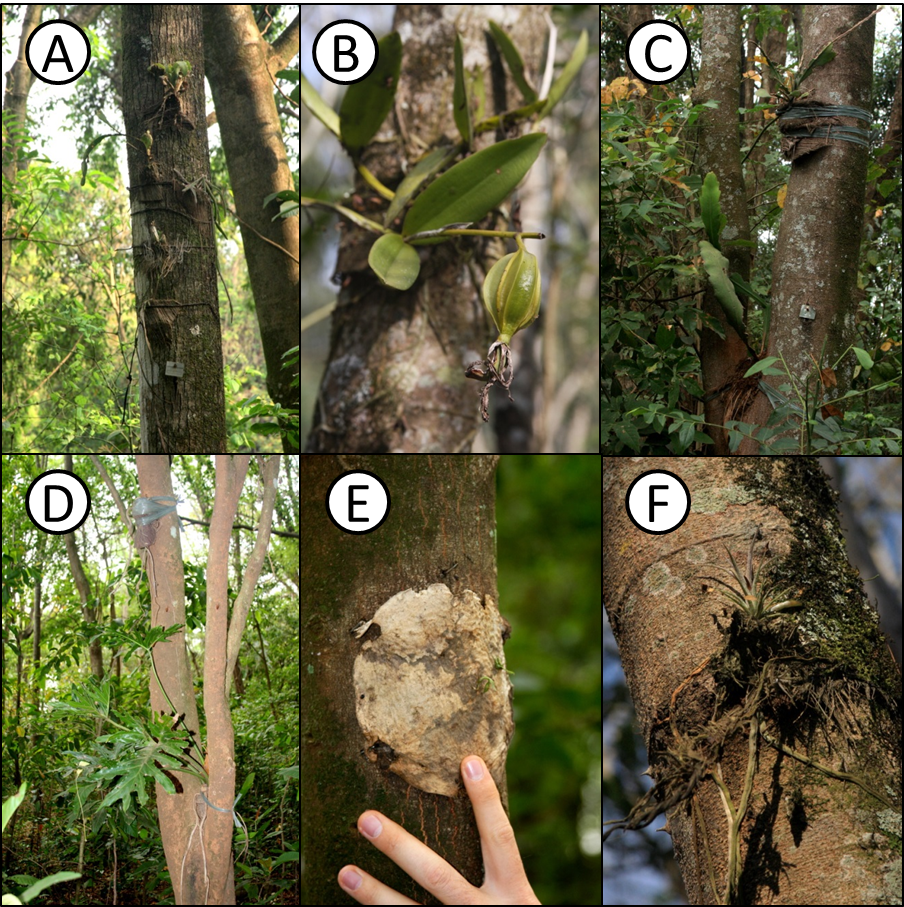
    Epiphyte species found in second-growth forests of the Atlantic Forest – A) Philodendron bipinnatifidum Schott; B) Lepismium houlletianum (Lem.) Barthlott.; C) Ionopsis utricularioides (Sw.) Lindl.; D) Catasetum fimbriatum (E. Morren) Lindl. & Paxton; E) Aechmea bromeliifolia (Rudge) Baker; F) Billbergia sp.


    To try to answer these questions, we are studying the epiphyte communities in 40 second-growth forests (i.e., forests that were once completely cut down). We are considering three landscape drivers (distance from watercourses, distance from forest edge and forest cover in a 1-km buffer around the remnant) and four local drivers (previous land use, forest age, liana abundance, and tree basal area). We expect that forests close to watercourses would provide the moisture required by epiphytes. We expect to find more epiphytes further from the forest edge since forest cover in more conserved forests may limit their establishment. Since our forests regenerated from abandoned eucalyptus plantation and pastures, we want to check if the non-native eucalyptus could act as a filter preventing epiphytes recolonization. We also expect that older forests and forests with more basal area could house more epiphytes than young forests. Finally, field observations made us wonder if lianas could compete with epiphytes by occupying the same niche.

    Of the more than 6,000 phorophytes (trees that could support epiphytes) sampled in these 40 forests we found 398 epiphytes belonging to 21 morphospecies distributed in 4 families (Araceae – 1 species, Bromeliaceae – 14 species, Cactaceae – 5 species, Orchidaceae – 5 species). Only three species, Tillandsia pohliana, Tillandsia tricholepis, and Ionopsis utricularioides, represented more than half (59.5%) of all epiphytes found in second-growth forests. The genus Tillandsia was expected to be abundant in these young forests, since these are disturbance-adapted species that can even be found growing on power lines in cities.

    Image2
    Epiphytes of the genus Tillandsia (Bromeliaceae) are often found in extreme microenvironments in urban areas (Photos by A. Mendes, 2017).

    Our analysis is in progress, but our preliminary observations suggest that forests closer to watercourses and closer to forest edge are more likely to have epiphyte recolonization than forests far from edge and watercourses. Forests regenerated on pastures have more epiphytes than those on abandoned eucalyptus plantation. Our dataset will soon be upgraded with new forest types: conserved and disturbed old-growth forests, and mixed tree plantings for forest restoration, totaling approximately 70 forests with epiphyte samples.

    With this research, we hope to find out the local and landscape factors that contribute to epiphyte recolonization in second-growth forests. In practice, this will allow us to locate sites with limited potential for spontaneous colonization of this life form to take actions that promote colonization and establishment, such as introducing individuals. Finally, by identifying epiphytes species that are more sensitive to disturbance, we can focus our reintroduction interventions.

    Landscape
    Small, remnant forests are surrounded by cattle pastures in southern Brazil.

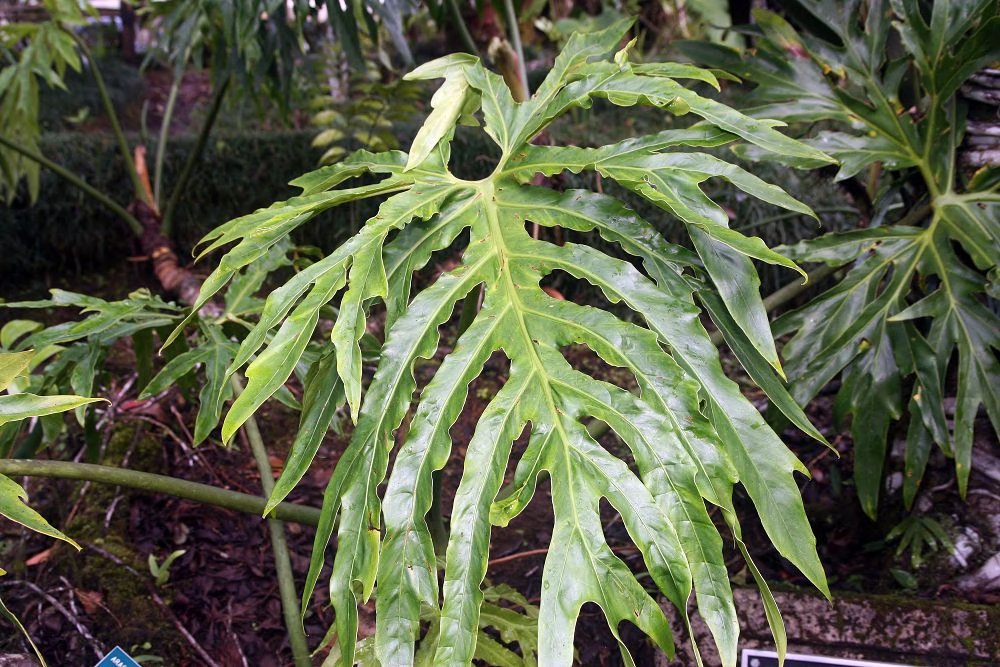
    Note: The image of Philodendron bipinnatifidum featured at the top of this post was taken by David Stang. 

  • Epiphyte restoration in Brazil’s Atlantic Forest

    Epiphyte restoration in Brazil’s Atlantic Forest

    CCSD restoration ecologist and PARTNERS member Leighton Reid spent 10 days collaborating with scientists and students in the Tropical Silviculture Lab (LASTROP) at the University of São Paulo. Epiphytes were a central theme of the visit.

    Vascular epiphytes are plants that live non-parasitically on other plants. Readers from the tropics will be quite familiar with some epiphytes, like the ubiquitous Tillandsia of Neotropical powerlines, but temperate zoners will have seen many epiphytes as well, at the florist, the botanical garden, and the mall. These plants are incredibly diverse; by one estimate, epiphytes make up 9% of all vascular plants worldwide. But epiphytes also face serious challenges in today’s world. Habitat loss and overharvesting threaten some epiphyte species with extinction. Many epiphytes also have a hard time recolonizing new habitat in regenerating forests, but new studies on epiphyte restoration could help.

    I spent the past 10 days in the State of São Paulo learning about epiphyte ecology, conservation, and restoration from students and scientists at the University of São Paulo’s College of Agriculture (Escola Superior de Agricultura Luiz de Queiroz). This part of Brazil was once covered in semideciduous tropical and subtropical forests, which hosted about 150 vascular epiphyte species. Today, only ~15% of the forest remains, but there is a large effort underway to restore 15 million hectares (nearly 58,000 square miles) of it by 2050.

    blog3
    ESALQ maintains shade house with more than 3,000 orchids, including (A) Cattleya loddigesii, (B) C. forbesii, and (C) Arpophyllum giganteum.

    Frederico Domene is a doctoral student studying epiphyte reintroduction in restored Atlantic Forest. Like his advisor, Pedro Brancalion, Fred’s interest in epiphyte restoration stems from a passion for orchids. He grows a variety of them at his house in Piracicaba, preferring true species over horticultural varieties.

    Fred picked me up in his black pickup, “mamangava”, and took me on a tour of several tree plantations where he has been developing methods for reestablishing populations of epiphytic orchids, bromeliads, cacti, and aroids. Fred’s basic procedure involves collecting epiphyte seeds (or purchasing small plants, in the case of orchids), growing them out in a nursery, and then attaching them to trees using twine or plastic. He started his work in 2010 and has been monitoring his plants, and reintroducing new plants, every year since. He uses a ladder to put the orchids up high, out of easy reach for would-be poachers.

    blog2
    Atlantic Forest restoration plantations. Left: 60-year old plantation along the Rio Piracicaba near Rio Claro. Right: 12-year old plantation at the Anhembi Forest Science Experimental Station. The older restoration site had considerably more naturally recolonizing epiphytes than the younger site.

    Late August is mid-winter in São Paulo, and while it doesn’t get particularly cold, it is quite dry. The restoration plantations were crunchy with desiccated leaves and twigs. These are harsh conditions for epiphytes, which do not have the luxury of soil to buffer to their roots from the sunlight and dry air. Some of Fred’s epiphytes have withered and died, especially during a 100-year drought in 2012. But others are thriving, thanks to special adaptations, such as the velamen of orchid roots, which wicks up rainwater when it drips down the tree trunk during storms. Many individuals have started fruiting and flowering, a good sign for the future viability of these reintroduced populations.

    epi3
    Epiphyte reintroductions in restoration plantations. (A) A reintroduced festoon of bromeliads, orchids, and cacti. (B) A fruit-bearing orchid (Cattleya forbesii), six years after reintroduction. (C) This reintroduced cactus (Epiphyllum phyllanthus) seemed to grow better in tree forks than on vertical stems, as did an aroid, (D) Philodendron bipinnatifidum. (E) Two tiny cacti have germinated in this direct seeding experiment, using seeds enrobed in paper discs. (F) Even where epiphytes have dessicated and died, experimental infrastructure continues to enhance epiphyte development; here a small bromeliad (Tillandsia recurvata) uses a piece of natural twine as a foothold.

    To identify the key challenges for epiphyte restoration, it is also important to study epiphyte recolonization in naturally regenerating forests. Alex Mendes, an undergraduate researcher at ESALQ, is doing just that. On an unseasonably rainy morning, Alex, Fred, and I visited three regenerating forests near the sugar town of Rio Claro. We ducked under barbed wire fences and wandered through low, dense vegetation where Alex is systematically searching for vascular epiphytes. Two forests had rather few epiphytes – mostly generalist bromeliads – but one forest had a high density of orchids, which happened to be flowering spectacularly on the day we visited. Based on historical aerial photos, Alex knows that these three forests are at least 20 years old. They are part of a network of 75 sites that he will ultimately search for epiphytes. By the end of his undergraduate program, Alex hopes to be able to predict where epiphyte communities will regenerate on their own, and where they will need more assistance.

    20160831_095557
    This secondary forest near Rio Claro might have felt like your average overgrown Psidium guajava patch had it not been  decorated with dozens of Ionopsis sp. orchids.

    These are early days for learning about epiphyte restoration, and there is still a lot of work to be done. The projects that I visited in Brazil are making headway, complementing our research in Costa Rica. It remains to be seen under what circumstances epiphyte reintroductions will be most successful. Perhaps an even more important issue will be convincing funding agencies and land managers to think beyond trees.

    IMG_0011
    Fred Domene and Alex Mendes are making strides in the ecology of epiphyte reintroductions and community assembly. Here, they pose with a reintroduced bromeliad (Billbergia zebrina) at Anhembi experimental station.