Tag: Reforestation

  • ACCIÓN SERRANA Network: Conserving and restoring cloud forests in the mountains of Córdoba  province, central Argentina.

    ACCIÓN SERRANA Network: Conserving and restoring cloud forests in the mountains of Córdoba  province, central Argentina.

    By: Pablo Friedlander and Romina Torre

    Dr. Pablo Friedlander, Director of Acción Serrana has initiated and led pioneering restoration and intercultural education projects in Argentina, Brazil and Spain for more than two decades. He also organizes ethnobotanical research and expeditions to the Amazon and the Andes. pablofriedlander@gmail.com

    Biologist Romina Torre is the executive coordinator of Acción Serrana, with ten years of  experience in mountain restoration, research and educational activities involving rural communities, health practitioners and scientific institutions at bioregional and international levels. torre.romina@gmail.com

    Introduction to the Polylepis forests

    In the highest mountains of South America, remnants of vast stands of so-called cloud forests dominated by members of the beautiful Rose-family genus Polylepis are found throughout the Andes Cordillera, from Colombia and Venezuela to northern Chile and northwestern Argentina. In addition, in the much older Sierras Grandes de Córdoba, in central Argentina, the endemic Polylepis australis (locally known as Tabaquillo), occurs in scattered fragments of once extensive mid-altitude forests. At the continental scale, the canopies of these open, moist formations,  or what remains of them today, comprise 45 recognized species and constitute the highest altitude forests on Earth (Boza Espinoza & Kessler 2022). Sadly, their range and integrity has been drastically reduced by logging, burning, and overgrazing since the 16th century, especially with the introduction of European cattle.Their moss- and lichen-covered branches collect fog, while their roots prevent erosion and regulate water runoff. These forests also contribute to climate change mitigation,  by favoring carbon sequestration, and they support diverse endangered species dependent on these habitats. In all seven of the Andean countries where they occur, the restoration and conservation of these cloud forests is of vital importance to local communities and to protect. the headwaters of the main rivers and creeks (del Campo & Friedländer 2023).

    This locally famous ‘Grandfather’ Tabaquillo (Polylepis australis) tree grows in the heart of one of the last remaining cloud forest fragments in Córdoba  province.
    The Argentina anole, Pristidactylus achalensis, is an endemic lizard of the Pampa de Achala.

    The hand-shaped Polylepis leaves and the soft, multi-layered bark of the trees, draped with epiphytes, mosses and lichens, collect fog and give rise to the compelling and accurate image of the forest “milking” the omnipresent mist and clouds. At a continental scale, these cloud forests when they are healthy and thriving contribute to the ‘biotic pump’ connecting the Andes- the Amazon-and the Atlantic Forest biomes (Beveridge et al. 2024) and regulating water and climate cycles and  reducing the risk and severitry of wildfires. The savannas and cloud forests The recent increase of forest fires in all biomes of South – and Meso- and North America – demands more strategic and intercultural, public-private coalitions to increase restoration areas and protection of basins at multiple spatial scales for present and future generations (Argañaraz et al. 2015; Argibay & Renison 2018). Additionally, Polylepis roots and their mutualistic microorganisms retain and enrich soils. They also provide a ‘framework’ for regenerating forest communities undergoing active or assisted restoration. Indeed, when mature, these emblematic forests harbour very high biodiversity, including many endemic species of epiphytic orchids, insects, birds and reptiles, and also provide a wide range of ecosystem services to people at multiple spatial scales. Finally, they have huge cultural significance, and by working in synergy with local communities we aim to introduce and sustain biocultural as well as ecological restoration.

    Conserving and Restoring the cloud forests with Acción Serrana and Acción Andina

    In 2002, the project “Milking the Clouds” (Ordeñando Nubes, in Spanish) was launched, along with other local grassroots initiatives. Then, after a long learning curve in restoration methods and typical pioneering struggles, the five interrelated projects gradually scaled up their ‘footprint’ and their impact to a bioregional level over the next decade and a half. A big step was taken in 2018 when, together with the ECOAN (Asociación Ecosistemas Andinos) and Global Forest Generation, Acción Serrana was set up as a hub including 5 different local organizations to help in the launching of  “Acción Andina” as a a new international ecocultural restoration consortium. In that context, Acción Serrana is now managed by the Fundación de Actividades Biosféricas as part of Acción Andina

    Currently working in Peru, Ecuador, Colombia, Bolivia, Chile and Argentina, with 23 member institutions, Acción Andina partners have planted more than 7 million Polylepis trees, of many different species, and this number is rising each year, as is the success rate of the plantings. In 2023, Accion Andina received the prestigious Earthshot Prize, and in 2024 we were named one of the 7 UN World Restoration Flagships for the UN Decade on Ecosystem Restoration 2021-2030

    Map of the 12 Acción Serrana restoration sites in the Sierras Grandes de Córdoba.

    The 12 biocultural restoration areas in the Sierras Grandes of Córdoba under Acción Serrana management add up, at the time of writing, to a total of 3,170 fenced hectares. 

    The reforestation and restoration campaigns are made possible by 65 permanent staff members and over 1,500 volunteers per year on average. To date, we have produced and planted more than 860, 000 Polylepis australis nursery-grown saplings in consecutive seasons (see https://ecohealthglobal.org/network-sites/accion-serrana-argentina/). All of these trees were grown from seeds collected locally in each of the planting areas managed by the five different partnering organizations or local implementing groups  For the 2024-2025 October 2024 to March 2025 planting season, 250,000 trees were propagated in the 29 plant nurseries we maintain, and at the time of writing most of the plantings have been very successful. Since 2023, Accion Serrana has been helping to replicate the same initiative in Northwestern Argentina, with the Project Arbol y Vida in Jujuy Province (in cooperation with various high-Andean communities) and the Germinar Project in Tucuman Province (working with Diaguita communities of the Tafi del Valle bioregion), advising on and synergizing actions and application of  techniques and strategies. In addition to this biocultural restoration, another critical line of work is our environmental education program being run in local schools and municipalities for more than a decade already.

    The ecosystems of Acción Serrana are Sub-Andean and Chaco serrano forests and grasslands (sensu Cabrera 1976), composed of seasonally dry forests or open woodlands with 4 different altitudinal belts in the central Argentina mountain ranges, Sierras Grandes de Córdoba (Giorgis et al. 2011). The land tenure of the areas under restoration inside the Provincial Watershed Reserve of Pampa de Achala, which consists of private landholdings subject to Provincial Management & Conservation plans, or  public protected áreas within the National Park Quebrada del Condorito. The numerous activities we carry out include: maintenance and fencing of new areas, native forest tree and shrub seed collection, construction and improvements of nurseries, germination of seedlings, transplanting of seedlings to reusable plastic forest tubes, high mountain transfer of seedlings to the planting areas and their planting in the intervention areas during the rainy season. We establish permanent plots for scientific monitoring and we support research carried out in the intervention areas. Workshops, public talks and training programs are also organized yearly to train and recruit more enthusiastic and qualified citizen restorationists for the work in the mountains.

    Acción Serrana team planting the native Polylepis australis of Córdoba province.

    Implementation of Acción Serrana with local partners in reciprocity

    We work to  generate ecological, economic, social and cultural sustainability by reaching agreements with landowners, communities, networks and institutions (municipalities of Mina Clavero and Villa de Las Rosas, the Ministry of Education of the Province of Córdoba, and others). 

    To help with the local matching needed to be part of the Acción Andina  initiative, Acción Serrana had set up the Ayni Plan (“ayni” meaning “reciprocity” in the quechua language of the Andes). Basically this implies the commitment to generate 30% of operating costs through specific fundraising campaigns and by other quantified means. For example the constant one of inviting the public to participate by donations of the costs required for producing a forest (25 trees under monitoring), a tree or a volunteering activity. Then we promote the reception of donations of funds, lands, tools, materials, vehicles, etc.. In addition, we encourage ecotourism with a schedule for each area: summer plantations and seeds, winter transplanting of seedlings and fencing of restoration areas. Acción Serrana aims to increase reciprocity and abundance also throughout the different courses and events both virtual and in-person, and some special community parties, with raffles, concerts, talks, video screenings, and promotion of crowdfunding campaigns. Currently we are running our international matching crowdfunder campaign with the help of the Treeangle Foundation from the United Kingdom, as we have done each year from 2012, to complete the mission of this season January 2024 – March 2025. (See video here.)

    In the years ahead, Acción Serrana will propagate and plant a wider variety of native trees and shrubs in pursuit of a Framework species approach to restoration such as that being tested by EHN partner Daniel Perez and his team in Caviahue, Patagonia (Perez et al. 2019; see also here and (here). As a new initiative, we aim to  deploy 30% of funds raised to reintroduction of multipurpose Neltuma (formerly Prosopis) species and other framework species in lower altitudes of the mountain system, and 70% to ongoing Polylepis restoration in the high mountains. This year, we have begun studying how to propagate the obvious additional choices of “framework species” namely Maiten (Maytenus boaria), Escalonia (Escallonia cordobensis) and Molle (Lithraea molleoides)

    Escallonia cordobensis a formerly common shrub now considered key to restoration.
    Co-dominant Maytenus boaria and Polylepis australis ‘giants’.

    Next steps

    Following decades of reforestation and cloud forest restoration, we are working with Indigenous inhabitants in these mountains, including the Comechingones (Henia and Camiare tribes) and Sanavirones peoples, who have been historically marginalized. We are cultivating intercultural bridges (Rojas et al. 2025) in áreas like nursery propagation, environmental education, and llama and alpaca reintroduction and ancestral practices of weaving with camelid wool. This collaborative framework aims to integrate and restore  key zones around the Ansenuza Sea, Traslasierra Valley, Pampa Achala, and Pampa de Pocho. 

    In January 2025, Acción Serrana became a new member hub of the Ecological Health Network, following two fruitful visits from James Aronson. These visits facilitated knowledge sharing and collaboration, furthering our core purpose of scaling up watershed restoration, enhancing environmental education, and deepening intercultural collaboration for research projects. By integrating ecological, social, and economic perspectives and approaches, we aim to share our regenerative experiences across mountains, jungles, deserts and oceans within a quickly growing international network of networks. We are delighted to be part of this movement and consortium with a strong, clear set of values and shared purpose  – something we all need to cultivate in these critical times. As a meaningful next step of Acción Serrana, we look forward to participating in multi-site research projects based on the simultaneous monitoring and evaluation of a series of ecological and human health indicators in areas undergoing biocultural restoration protocols. Through these efforts, we are committed to enhancing ecosystem health and strengthening our relationship with nature, ensuring the longevity and health of Andean cloud forests and lower buffer zones of Chaco serrano forests -as well as the local communities living there for generations to come. 

    Learn more by watching these videos on Acción Serrana and the Biodiversity in Sierras Grandes de Córdoba.

    All images are from the archives of Acción Serrana.
  • The Restorative Landscape Coalition: A new social-ecological impact network takes root in the Eastern United States

    The Restorative Landscape Coalition: A new social-ecological impact network takes root in the Eastern United States

    Eve Allen, Program Director for the Northeast Bioregion, James Aronson, President of the Ecological Health Network, and Sefra Alexandra, Director of The Ecotype Project, share insights and outcomes from the inaugural workshop held at the Oak Spring Garden Foundation in Upperville, VA. This workshop led to the launch of a new coalition supporting initiatives for sustainable ecosystem and landscape restoration in the Eastern United States.

    Unprecedented federal and state-level investments, combined with growing environmental education programs and awareness, are increasing the demand for ecological restoration (ER) and allied activities in the US, Canada, and worldwide. This is causing a demand surge for native seed and plant material across the United States. Similar trends are coming to light in many other parts of the world as well.

    In January 2023, the National Academies of Sciences, Engineering, and Medicine released a 228-page report that found the country’s current supply of native seeds is already insufficient to meet the restoration needs of agencies like the US Forest Service and the Bureau of Land Management (BLM), and the situation is even more acute in the states east of the Mississippi River. 

    The skewed distribution of federal land ownership in the US exacerbates this problem.  To wit, the US Government owns about 46% of the land in the 11 contiguous Western states, whereas its ownership averages only 4.6% in the remaining mainland states. Given that the US government is the primary purchaser of seed and plant material nationally, for use in restoration programs on public lands, this demand serves as a strong signal for farmers and nursery professionals to ramp up production. Despite this, a notable procurement gap exists in the Eastern states, where land ownership is predominantly divided among state governments and private individuals, hindering the development and expansion of robust seed and plant material supply chains.

    In 2018, a survey of 760 respondents across the Eastern US states undertaken by the Mid-Atlantic Regional Seed Bank and the University of Maryland indicated that seed buyers sourced seeds from vendors located an average of 418 miles (673 km) away from their restoration sites (typically from vendors in the Upper Midwest (Tangren, Toth, and Siegel 2022). We conclude that there is an urgent need to build stronger networks in the Eastern US to increase supply chain capacity and to improve the quantity and quality of genetically and ecologically adapted seeds and nursery-grown plants with verified provenances.

    The Northeast Seed Network

    To this end, in March 2023, the Native Plant Trust, Ecological Health Network, and other partners launched the Northeast Seed Network (NSN) to reinforce and build connections and trust among government agencies, Tribal Nations, educational institutions, citizen groups, farmers, nurseries, other private companies, and nonprofit organizations including botanic gardens, seedbanks, and arboreta. By fostering collaboration among all these diverse stakeholders, the NSN seeks to facilitate knowledge exchange, promote impactful research, and advocate for the adoption of best practices, thus fostering a vibrant community of practice. Building strong private, public, and nonprofit partnerships is essential for building seed supply chain capacity or the ability to ensure that we have “the right seed [or plant], in the right place, at the right time” (Oldfield and Olwell 2015). This is because there are numerous ‘public good’ aspects of the ‘supply chain’ (e.g., R&D, education, demonstration, and advocacy) that will not be supported solely through market mechanisms. 

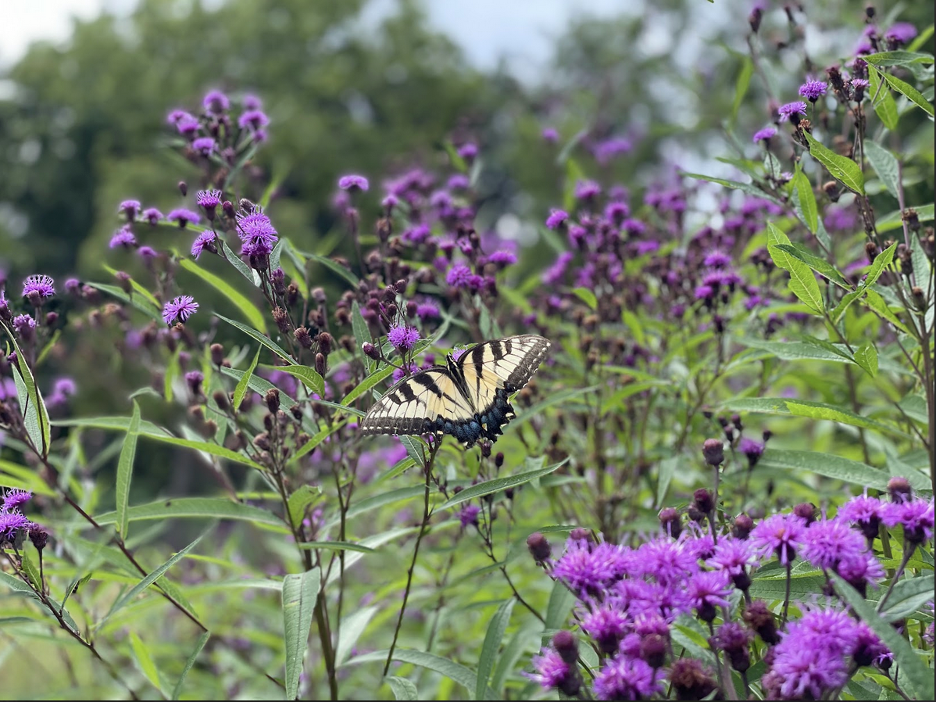
    New York ironweed (Vernonia noveboracensis), an important host plant to pollinators including the Eastern Tiger Swallowtail Butterfly (Papilio glaucus), is commonly used in ecological landscaping in the US Northeast Region. Credit: Sefra Alexandra.

    Recognizing the Role of Botanic Gardens

    To gather more information prior to undertaking any major new steps, the Ecological Health Network carried out a social network analysis to understand existing relationship patterns among the seed supply and demand chain actors in the Northeast US (Allen et al., under review). The study’s findings align with those of Tangren, Toth, and Siegel (2022), indicating that Midwestern seed vendors predominantly dominate markets in the Eastern US. For instance, a seed vendor based in Minnesota has established connections with over 94% of the end-users of native seed and plant material in the US Northeast identified in the study.

    However, the research also unveiled that producers of seed and plant materials within the US Northeast region enjoy well-established social ties with many botanic gardens, arboreta, seed banks (referred to as botanic gardens hereafter), and educational institutions in the region. These results support the argument that botanic gardens are uniquely positioned to play an essential role in ecological restoration science and practice (Hardwick et al. 2011), especially in their own regions. Botanic gardens have expertise in numerous relevant fields, including plant taxonomy, horticulture, genetics, seed science, and environmental education, as well as knowledge from ecological field research being undertaken by a growing number of botanic gardens around the world (Aronson et al. 2014Miller et al. 2016). Furthermore, as emphasized by Crane (2022), botanical gardens share the obligation of addressing socio-ecological challenges arising from climate change, alterations in land cover, and pollution. They must actively maintain their relevance through engagement, education, and tangible actions, particularly at the local level, outside the confines of their garden walls. 

    Indeed, many botanic gardens across the Northeastern and Northern Mid-Atlantic USA region have programs and activities aimed at strengthening native seed and plant material supply chains, among other things. For example, the Highstead Foundation in Redding, Connecticut, is deeply involved in sustainably harvesting seeds from local, naturally occurring plant populations. Following this, the staff meticulously cleans and stratifies the seeds before growing them into plugs. Local farmers, such as those affiliated with the Northeast Seed Collective will then proceed to amplify the plant material to produce the specialty crop of ecotypic seed. (Read more here). 

    In Hockessin, Delaware, Mt. Cuba Center, a botanic garden dedicated to preserving native plants and ecosystems across the Mid-Atlantic and Eastern Temperate Forest Region, conducts trial garden studies aimed at evaluating native species for their horticultural and ecological value. These studies serve to educate the public about the garden performance and ecosystem services provided by native species while also fostering the development of new markets for regionally produced seed and plant materials. The garden evaluates material and, where appropriate, shares material for local native plant nursery production. Beyond the horticultural side of the trade, Mt. Cuba engages with land managers and restoration growers, working to understand needs and promote local provenance workhorse species in collaboration with others in a mid-Atlantic seed users network.

    At the Cornell Botanic Gardens in Ithaca, New York, a native lawn demonstration project has successfully transformed a plot of turfgrass and weeds into a low-maintenance, low-input, high-biodiversity native grassy meadow. This project serves as a model for home and public green space redesign

    Native Plant Trust’s Nasami Farm in Whately, Massachusetts, Nasami Farm, has a longstanding practice of cultivating native plant material from hand-collected wild seeds. More recently, they have expanded their efforts by establishing seed increase plots to enhance production capacity for regional restoration projects. 

    These examples provide a sampler of the valuable contributions that botanic gardens across the region are already making to native seed and plant supply chains. However, in May 2023, Eve Allen and James Aronson, alongside Christopher Dunn, the Director of the Cornell Botanic Gardens, recognized a need to improve communication about these existing activities, and programs through improved networking among botanic gardens at a bioregional level. 

    Eve Allen, from the Ecological Health Network (EHN), and Todd Bittner, Director of Natural Areas at Cornell Botanic Gardens, discussing the Native Lawn Demonstration Area during the EHN Site visit in the fall of 2022. Photo Credit: James Aronson.
    Least trillium (Trillium pusillum) in bloom at the Mt. Cuba Center, a botanical garden in Delaware dedicated to preserving native plants and their ecosystems across the Mid-Atlantic and Eastern Temperate Forest Region. On the right, Eve Allen of the Ecological Health Network (EHN) stands with Élan Alford, Plant Conservation Scientist, and Jeff Downing, Executive Director of the Mt. Cuba Center, during an EHN site visit in the spring of 2023. Photo Credit: James Aronson.

    Convening Botanic Gardens 

    In this context, in late February 2024, the Northeast Seed Network brought together leaders and key staff members from thirteen botanic gardens, arboreta, seed banks, allied non-profit organizations, and the largest native seed and plant material supplier in the Northeast. The participants’ organizations included Coastal Maine Botanical GardenCornell Botanic GardensEcological Health NetworkThe Ecotype ProjectHighstead FoundationLongwood GardensMt. Cuba CenterNative Plant TrustVirginia Natural Heritage ProgramOak Spring Garden FoundationPinelands NurserySoutheastern Grasslands Institute, and the US National Arboretum. The convening workshop, organized and moderated by the Ecological Health Network, was graciously hosted by the Oak Spring Garden Foundation in Upperville, Virginia. This was the ideal venue from the Northeast Seed Network’s perspective, and the object of our workshop aligned seamlessly with Oak Spring Garden Foundation’s Mission Statement: “to support and inspire fresh thinking and bold action on the history and future of plants.”

    The formal garden bathed in sunset hues at the Oak Spring Garden Foundation, a non-profit organization established by Rachel “Bunny” Mellon to “support and inspire fresh thinking and bold action on the history and future of plants, including the art and culture of plants, gardens, and landscapes.” Photo Credit: Eve Allen.
    Workshop participants at the Oak Spring Garden Foundation (from left to right) – Marcello de Vitis, Southeastern Grasslands Institute; Charlotte Lorick, Oak Spring Garden Foundation; Élan Alford, Mt. Cuba Center; Melissa Cullina, Coastal Maine Botanical Gardens; Fran Chismar, Pinelands Nursery; Sefra Alexandra, The Ecotype Project; Uli Lorimer, Native Plant Trust; Eve Allen and James Aronson, Ecological Health Network; Richard Olsen, U.S. National Arboretum; Geordie Elkins, Highstead Foundation; Michael Piantedosi, Native Plant Trust; Lea Johnson, Longwood Gardens; Todd Bittner, Cornell Botanic Gardens; Ryan Klopf, Virginia Natural Heritage Program; Jessamine Finch, Native Plant Trust.

    The launch of the Restorative Landscape Coalition 

    Over the course of a long day and delightful evening, the participants worked together to chart a course for a new collaborative effort. Together, we recognized the distinctive responsibility botanical gardens bear to strengthen native seed and plant supply chains for landscape restoration across a spectrum of ecosystems, spanning from urban areas to suburbs, agricultural landscapes, corridors, and other protected areas of significant conservation value. More broadly, we agreed that botanic gardens are custodians of our shared plant biodiversity on our planet. By engaging in conservation, exploration, education, research, providing facilities, and leveraging expert horticultural know-how, they – and allied organizations like arboreta, herbaria, and seedbanks, should work together to bolster resilience and restore the health of people, ecosystems and landscapes. We also agreed that it would be timely to work on meeting this challenge at a bioregional level, namely in the Eastern US.

    Additionally, we discussed immediate ways to leverage experience, expertise, and educational capacity held within our gardens and allied organizations to address key objectives and recommendations outlined in the US National Seed Strategy and the National Academies of Sciences, Engineering, and Medicine’s 2023 Report, An Assessment of Native Seed Needs and the Capacity for Their Supply

    Enhancing demand signals by building better markets 

    The National Academies Report identifies unpredictable demand as the foremost challenge for native seed suppliers across the United States (p.98). This problem is especially pronounced in the US Northeast, as the substantial increase in demand for native seeds and plants fails to translate into intelligible markets. Current and potential suppliers within the Northeast Seed Network, including farmers and nursery professionals poised to expand their production of diverse species and ecotypes, require more consistent and transparent signals of demand.

    As such, a primary objective of the Restorative Landscape Coalition is to address and surmount the various policy, regulatory, and cultural obstacles hindering the utilization of source-identified, genetically diverse seed supplies, as well as nursery-grown or propagated plant materials. For example, we addressed the necessity of conducting targeted outreach and engagement with state and municipal agencies to facilitate the development of enhanced recommended species and species substitution lists. Currently, these lists predominantly feature mid-western species, likely due to their commercial availability. 

    Rather than solely focusing on seed production or amplification efforts, we recognize the critical importance of fortifying the ‘demand’ side of seed and plant material supply and demand chains. This strategic emphasis not only elucidates the distinction between the Restorative Landscape Coalition and the Northeast Seed Network but also underscores their mutually reinforcing relationship. Our approach involves generating and sharing knowledge, know-how, and best practices to enhance existing markets and create new markets for high quality seed and plant material. 

    Leverage our living collections to amplify seed production

    Citing The National Academies of Science’s 2023 report, we reaffirmed how the in situ  living collections (particularly conservation collections of wild origin) housed in botanic gardens and affiliated non-profit organizations serve as a crucial safeguard for native species within the plant materials development pipeline, when reproductively isolated from other related collections, for seed amplification.

    The US National Seed Strategy and National Academies of Sciences report emphasizes the imperative to increase collaboration and cooperation across agencies and with external partners. This involves sharing expertise, facilities, and optimizing the production and use of plant materials. Botanic gardens are custodians of our shared plant biodiversity. By engaging in conservation, education, research, providing facilities, and leveraging expert horticultural know-how, we are committed to providing a key link in efforts to bolster resilience and restore the health of landscapes in the Eastern US.

    In the Apple Room, our workshop proved not only enjoyable but remarkably productive. As the day drew to a close, participants reached a consensus on the crucial role of botanical gardens in tackling socio-ecological challenges stemming from climate change, land cover change, and pollution. Photo Credit: Sefra Alexandra. 
    As the evening drew to a close, together, we affirmed the unique responsibility botanical gardens bear in bolstering native seed and plant supply chains for landscape restoration. It was underscored that our institutions must actively assert our relevance through tangible actions, particularly at the local level, extending beyond the confines of our garden walls—a sentiment eloquently highlighted by Peter Crane, Director of the Oak Spring Garden Foundation, in his insightful 2022 opinion piece, Botanic gardens: Seizing the moment while imagining the future in Plants People Planet. Photo Credit: Oak Spring Garden Foundation.

    Fostering bioregional collaboration to achieve lasting social-ecological impact

    To advance the individual and collective missions and visions of the organizations and institutions participating in the Restorative Landscape Coalition, we will strive for a holistic perspective and approach that emphasizes the tremendous power and potential held within the concept of a bioregion. This is a spatial scale often overlooked by public, private, and government institutions. Note that a bioregion is not defined by political boundaries nor even by ecological and biogeographical boundaries alone. Rather, the concept corresponds to the geographical territories of human communities and cultural groups as well as the ecological systems on which they depend and of which they are a part. To be coherent, and useful, the boundaries of a bioregion must be delineated to uphold the integrity of its biological and human communities, ecosystems, and social-ecological systems. This includes preserving essential processes such as nutrient cycling, historical disturbance regimes, and species migration, among other biological and ecological factors. Additionally, sustainable and equitable management of resources and ecosystem services is vital, spanning generational and community boundaries within the diverse human populations inhabiting a bioregion. Bioregions vary in scale, ranging from watersheds to much larger territories, and may traverse international borders. However, they are fundamentally shaped by their flora, fauna, and human communities, each contributing to and benefiting from a distinctive identity defined by climatic, ecological, and cultural characteristics (Berg 1991).

    While initially complex and possibly daunting, there are significant advantages to the approach of organizing human activities and systems based on bioregional boundaries. Most importantly, it provides a strategic framework for connecting individual and collective efforts to facilitate impactful changes at appropriate scales to address biodiversity and climate goals (Pezzoli, 2015Wearne et al., 2023). That being said, addressing the intricate environmental challenges of the 21st century on a large spatial scale, especially with an unconventional concept like bioregionalism, demands innovative forms of network governance (Scarlett and McKinney, 2016).

    Left photo: Beds holding tree saplings for reforestation projects, including urban tree planting initiatives, in the Mid-Atlantic region. Right Photo: cleaned seeds of Arrow Wood Viburnum (Viburnum dentatum) at Pinelands Nursery in New Jersey. EHN Site Visit, Summer of 2022. Photo Credit: Eve Allen.

    Social impact and Social-ecological impact networks 

    A social impact network is one in which formal and informal institutions collaborate across diverse interests, sectors, and political arrangements to establish social norms, social capital, and trust that together can propel and sustain collective information sharing, decision-making, and action (Kapucu and Hu 2020Ehrlichman 2021). However, when social-impact networks are operating at broader geographical and societal levels – bioregions – and developing initiatives that target ecological and environmental challenges that demand integrated ecological and social interventions, we may call them social-ecological impact networks (Ecological Health Network 2024). 

    The Restorative Landscape Coalition is intended to be a social-ecological impact network dedicated to working with and enhancing the capacity and impact of the Northeast Seed Network and other seed production-focused partnerships, as well as emerging, restoration- and conservation-oriented partnerships operating across the Eastern US. Our commitment is to support initiatives that sustain, conserve, and, when necessary, restore degraded ecosystems and reintegrate fragmented landscapes within our bioregion – the overlapping and adjacent EPA Level III Ecoregions of the US Northeast, Mid-Atlantic, and Southeast regions. Please note that here we use the ecological definition of “landscape,” namely an assemblage of ecosystems that are arranged in recognizable patterns and that exchange organisms and materials such as nutrients and water (Forman & Godron 1986).

    Left photo: Seed increase plots of Slender Rush (Juncus tenuis), Common boneset (Eupatorium perfoliatum), Blue vervain (Verbena hastata), Swamp milkweed (Asclepias incarnata), and Coastal Plain Joe Pye Weed (Eutrochium dubium). Right photo: Flats of (clockwise from upper right), Bishop’s cap (Mitella diphylla), Blue wood-aster (Symphyotrichum cordifolium), Downy Goldenrod (Solidago puberula), New York aster (Symphyotrichum novi-belgii), Creeping Little Bluestem (Schizachyrium scoparium var. scoparium), Narrowleaf Mountain Mint (Pycnanthemum tenuifolium) at Native Plant Trust’s Nasami Farm in Whately, MA. Photo Credit: Eve Allen.
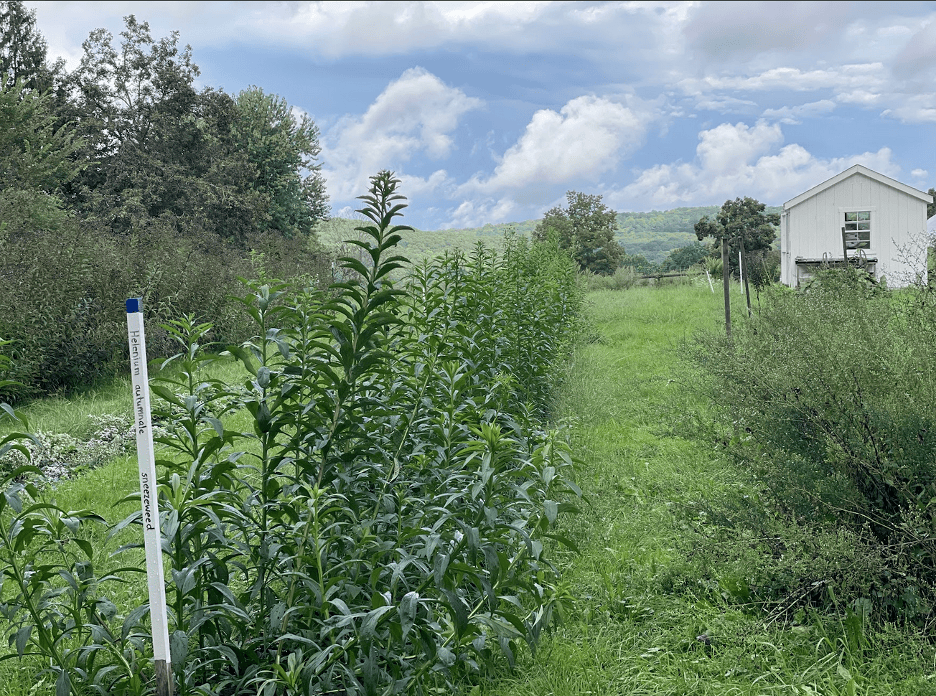
    Fall sneezeweed (Helenium autumnale) seed increase fields at The Hickories in Ridgefield, CT- the hub of the Northeast Seed Collective. Photo Credit: Sefra Alexandra. 

    Our next steps 

    While acknowledging the substantial work ahead, we are confident that the collective resources within our institutions, organizations, and like-minded networks will allow us to make inroads toward our shared goals. Collectively, we embrace an unwavering dedication to the public good and the well-being of future generations. Our shared missions encompass inspiring meaningful connections among people, plants, and the natural world, education and awareness, conservation and stewardship, and research and innovation, all aimed at enhancing society’s overall well-being, resilience to global changes, vigor, and – in a word – health.

    Please join the Restorative Landscape Coalition at the American Public Gardens Association’s Annual Meeting in Boston, June 24 to 27, 2024. We will be there, hosting a 90-minute workshop entitled Fostering regional collaboration among public gardens to address native seed and plant material needs, on Thursday, June 27th, from 10:30 a.m. to 12:00 p.m. 

    To stay in touch and receive updates about the Restorative Landscape Coalition and the Northeast Seed Network, please sign up for our mailing list. You can also follow us at @ecohealthglobal on Instagram, @EcoHealthNet on X and Facebook, and Ecological Health Network on LinkedIn for updates. 

  • Reforestation and Natural Regeneration:  Two approaches for Andean Forest Recovery in Ecuador

    Ximena Palomeque, Selene Báez and Hans Verbeeck, describe ongoing research on the suitability of native tree species for restoring degraded sites in the southern Andes. Ximena is a Professor in the Agriculture Faculty and researcher at Department of Water Resources and Environmental Sciences at the Universidad de Cuenca in Ecuador. Selene is an Associate Professor in the Department of Biology, National Polytechnic School of Ecuador, and Hans Verbeeck is a Professor in the Faculty of Bioscience Engineering, Department of Environment at Ghent University in Belgium. ximena.palomeque@ucuenca.edu.ec; selene.baez@epn.edu.ec; hans.verbeeck@ugent.be

    In recent decades, numerous international and regional agreements have formed the foundation for implementing restoration actions, setting ambitious goals and targets to reverse the degradation of tropical forests. For example, Ecuador has set itself a goal to restore 30,000 hectares between 2022 and 2025 as part of the National Program of Landscape Restoration, including both natural regeneration, sometimes called “passive restoration”, and reforestation, one form of “active restoration”. However, achieving lasting benefits in terms of biodiversity conservation, carbon storage, and other ecosystem services requires robust scientific guidance to ensure the implementation of the best possible restoration practices for such highly complex ecosystems as those found in the mountains of the tropical Andes,  one of the world’s biodiversity hotspots, spread across several megadiversity countries, including Ecuador.

    Andean forest landscapes are characterized by complex mosaics of different land cover types over relatively small spatial scales. Past experiences in restoration have taught us that forest recovery can be rapid and result in diverse forests, but it can be slowed down and even hindered by historical land-use practices. In particular, aggressive competitors such as invasive nonnative grasses (e.g., Festuca arundinacea, Setaria sphacelata, both introduced as fodder for livestock), and the cosmopolitan bracken fern (e.g., Pteridium arachnoideum) often impede the natural recovery of forests, especially in abandoned pastures or areas that have been repeatedly burned. Moreover, the historical use of introduced, fast-growing tree species for reforestation in the Andean region has led to extensive monocultures of Pinus spp., Eucalyptus spp., or Acacia spp., which have had disastrous consequences for local biodiversity by profoundly altering ecosystem dynamics. Given the need for information on efficient and effective reforestation practices using native tree species from the Andes of Ecuador, a large part of our research program aims to address critical knowledge gaps and provide clear guidelines for successful reforestation practices and policies. 

    To some extent, the extensive use of non-native species for reforestation reflects our limited knowledge of the diversity and potential of native Andean species when intentionally planted. This knowledge gap has hindered the production of adequate seeds and seedlings for use in local reforestation projects. Although some progress has been made in the last decade, a comprehensive understanding of the germination requirements and rates of plant establishment after planting of the most common native Andean tree species is still lacking. In order to bridge this knowledge gap, the Forest Ecology and Seed Laboratory at Universidad de Cuenca, researchers at the Department of Biology at Escuela Politécnica Nacional of Ecuador, the Department of Biology at Pontificia Universidad Católica del Ecuador, and the CAVELab at Gent University (UGENT) in Belgium collaborate to explore various aspects of reforestation using native trees and shrubs. To date, we have gathered experimental data on more than 25 Andean woody species, focusing on seed propagation in laboratory and nursery conditions, as well as the performance of outplanted seedlings on degraded lands. 

    As a natural progression, we are now conducting experimental research to assess how different outplanted native plant species perform in the field across environmental gradients. Additionally, we are evaluating the potential for carbon sequestration and biodiversity recovery in past reforestation projects, considering factors such as different types of human disturbance, environmental conditions, and landscape-scale attributes. Our findings indicate that landscapes with high natural forest cover have enhanced rates of aboveground biomass and biodiversity accrual, thanks to increased tree survival, sapling recruitment, and animal seed dispersal. In addition, as expected, undisturbed reforested areas recover faster than areas subjected to occasional cattle ranching. These research approaches encompass diverse levels of biological organization, employing a variety of research tools to study and compare plant species, plant communities, and ecosystem processes.

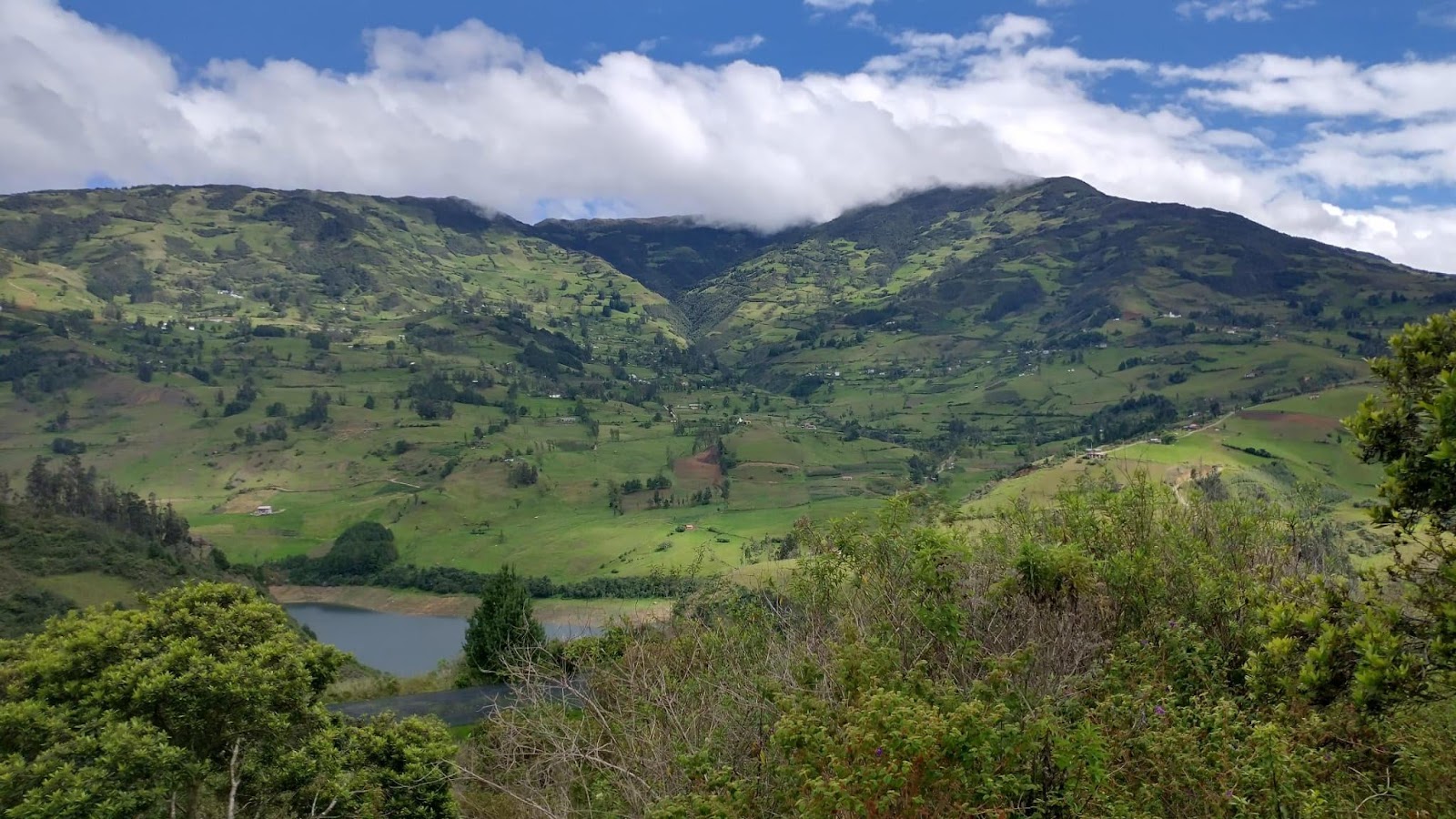
    Landscape mosaic illustrating the various land uses found in the area known as “Santa Rosa” in Sevilla de Oro, located at 2300 m a.s.l., Azuay province. Photo: Sebastián Tello.

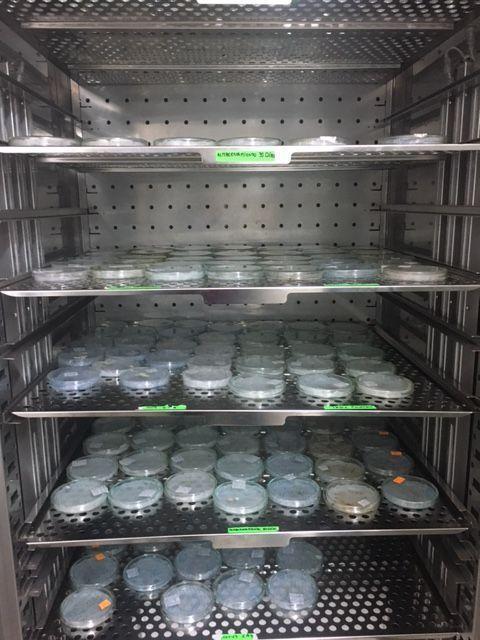
    Seed germination tests of native species in the plant growth chamber at Seed Lab, Universidad de Cuenca in Ecuador. Temperature of 9°C (night) and 12°C (day) under cycles of 12 h of alternating light and darkness. Photo: Ximena Palomeque.

    Currently, our main research projects on both approaches to restoration, “active” and “passive”, are led by doctoral students. In 2020, Franklin Marin, a PhD student at the CAVELab, UGENT, Belgium, initiated a large-scale reforestation experiment along an elevation gradient of 2,000 m a.s.l. in southern Ecuador. This experiment involved the planting of over 7,000 individuals from five native woody species, namely Oreocallis grandiflora, Hedyosmum luteynii, Weinmannia fagaroides, Morella pubescens, and Vallea stipularis. The groundwork for the experiment was laid two years earlier when we collected and germinated seeds from a diverse pool of mother trees. Four treatments were implemented, including grass removal and artificial shade, to examine their effects on seedling survival, performance, and species-level trait-plasticity. Weather stations were installed at each study site to monitor conditions that could influence seedling performance over time. This study aims to shed light on the suitability of native species for reforestation projects in sites with varying environmental conditions and interspecific competition. Furthermore, we seek to gain insights into the functional traits that render tree species especially suitable for early stages of forest recovery, which may allow us to generalize our findings to a wider range of Andean tree species under scenarios of natural regeneration or reforestation. 

    A picture containing plant, outdoor, crop, cash crop

Description automatically generated

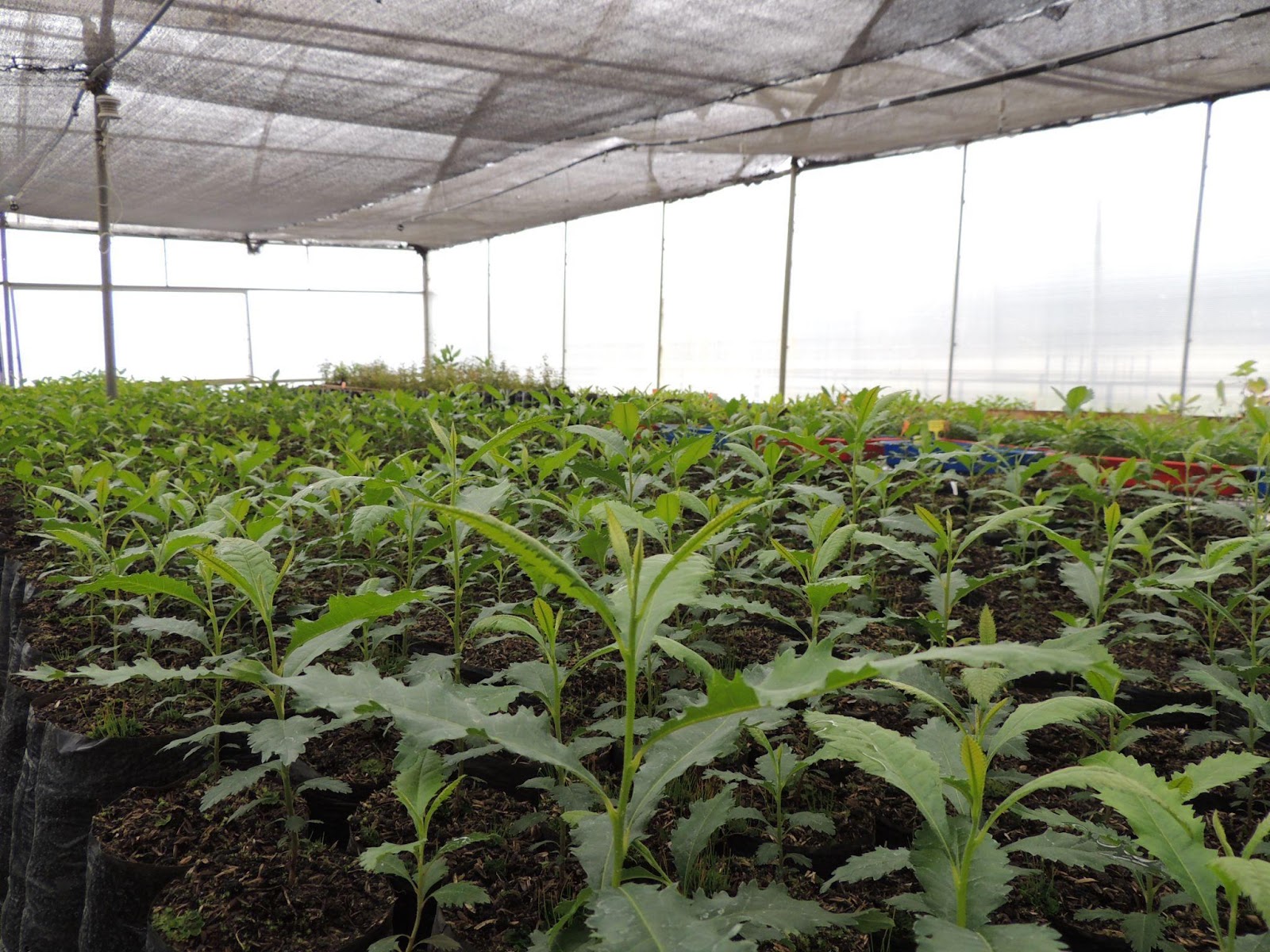
    Seedlings of five native species growing in the greenhouse at Universidad de Cuenca in Ecuador. Photo: Ximena Palomeque. 

    Reforestation experiment using the five native species named in the text on abandoned pastures, Irquis experimental farm, Universidad de Cuenca; located at 2800 m.a.s.l., Azuay province. Photo: Geomatics Lab, Facultad de Ciencias Agropecuarias, Universidad de Cuenca.

    Franklin Marín (PhD student) and Selene Báez (EPN) near the weather station and ozone diffusion tubes in the reforestation experiment, Irquis experimental farm, Universidad de Cuenca, Azuay province. Photo: Ximena Palomeque.

    A parallel research project led by Gabriela Maldonado, a PhD student at the University of Cuenca, explores the functional composition and diversity of woody plants along gradients of anthropogenic disturbance and across environmental conditions. Gabriela conducts a reforestation experiment using several key species (e.g., Oreocallis grandiflora), with functional traits (e.g., cluster root formation) that could facilitate the establishment of diverse sets of species under scenarios of natural regeneration or reforestation. These “restoration nuclei” could play a crucial role in reestablishing networks of pollinators in restored ecosystems, particularly as some of these species are essential resources for hummingbirds. Her research is conducted within the framework of the Experimental Network Ecology and Restoration, EXPER-NET project, which also involves researchers from the Swiss Federal Research Institute (WSL) and Universidad del Azuay.

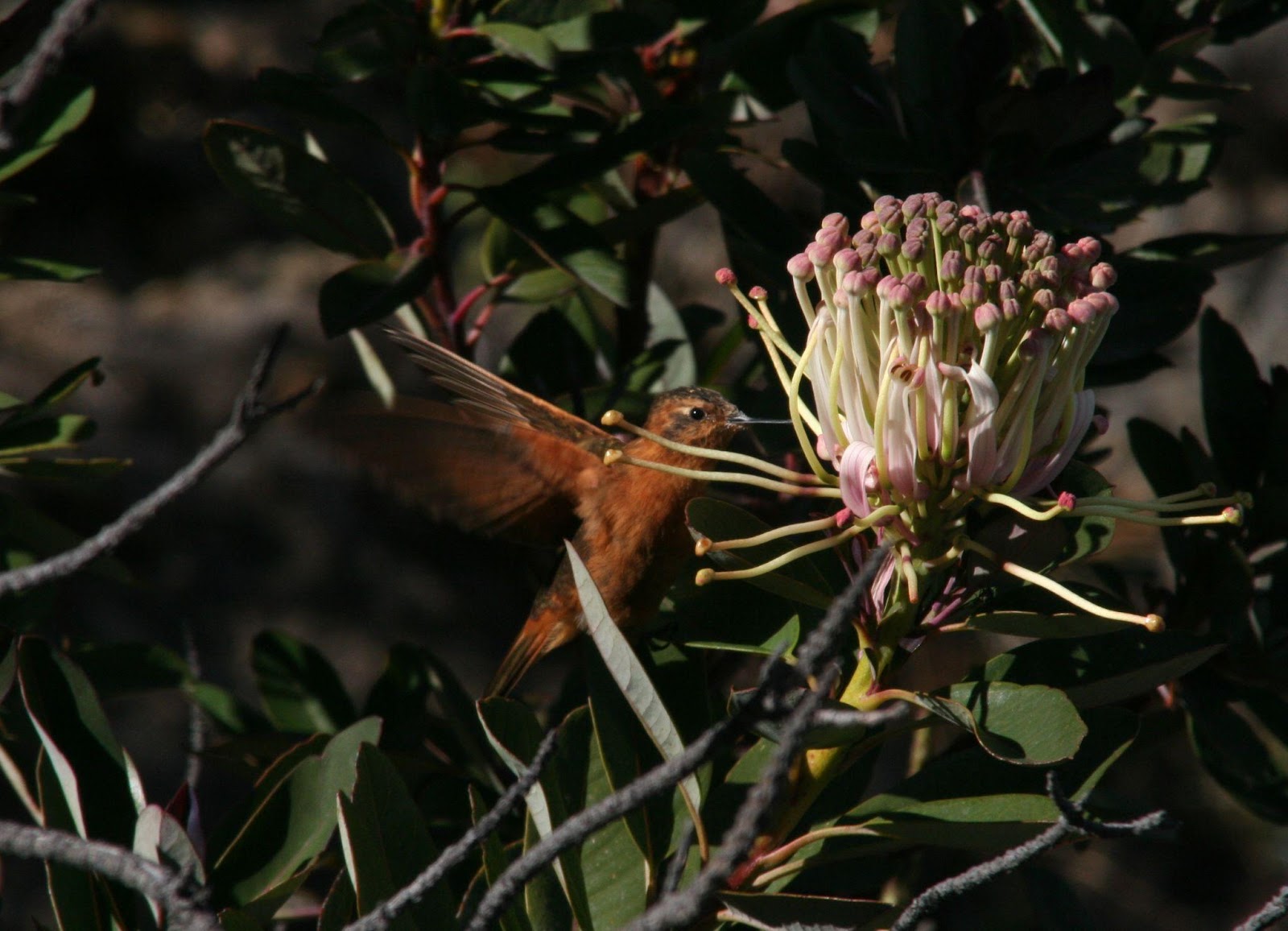
    Oreocallis grandiflora (Proteaceae), commonly known as gañal is one of the five native tree species used in the reforestation experiments. This species, the only member of its genus, is found only in the high Andes of Peru and Ecuador. Hummingbirds, several types of insects, and even rodents pollinate the flowers of this tree due to its generous production of nectar. Photo: Boris Tinoco.

    A person and person standing in a field

Description automatically generated with medium confidence

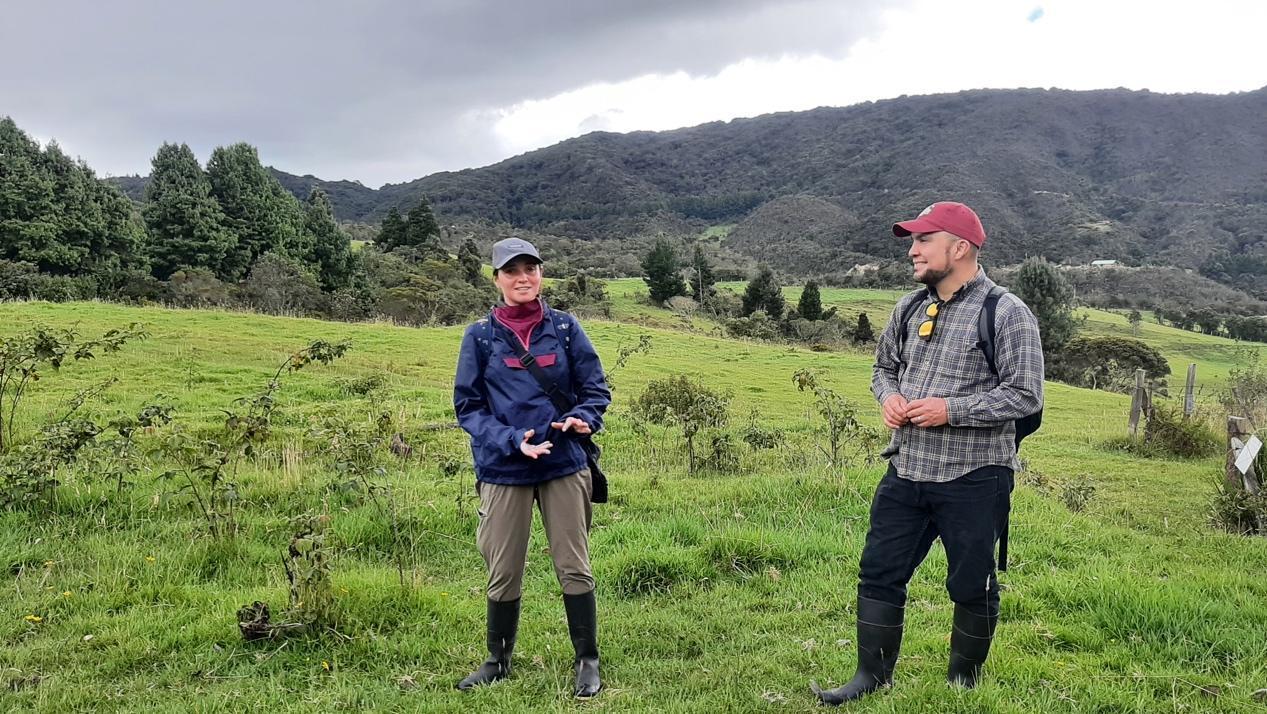
    Gabriela Maldonado (PhD student at University of Cuenca) and Sebastian Tello, Director of the Latin America Department at the Missouri Botanical Garden visiting the observational plots and discussing natural regeneration of degraded pastures at the Irquis experimental farm. To the left, non-native tree species, and in the back, hills with secondary forests. Photo: Selene Báez.

    The ongoing research projects have also contributed to scientific training and cultural exchange involving numerous MSc students and dozens of undergraduates. We aim to broaden our impact on the scientific capacity of Ecuadorian and international students by extending our collaborations with scientific groups based in Germany, UK, Switzerland and USA, as well as by fostering exchange programs and field summer courses that focus on specific topics of montane forest ecology and restoration ecology. 

    We emphasize the significance of international scientific collaborations and funding partners (mainly VLIR-UOS, Belgium) in catalyzing this research initiative. These interactions have enabled us to pursue innovative research in the context of restoration, with direct implications for restoration practices and policy making. Due to the need for solid scientific information to foster natural regeneration and hands-on restoration of Andean forests, several national and international institutions have become close allies of our research group. These organizations comprise local and international NGOs, water funds, electricity production companies such as  BOS+, MCF, FONAPA, CELEC, ELECAUSTRO and – most recently – the Missouri Botanical Garden

    This video presents more complete information about one of the projects; and click here for the announcement of the 2023 field course “Linking plant functional traits and ecosystem function in tropical montane forests”. If you require additional information, please do not hesitate contacting the authors of this blog post. 

  • The ephemeral forests of southern Costa Rica

    The ephemeral forests of southern Costa Rica

    Damaged ecosystems don’t recover overnight, but sometimes that’s all the time that they get. CCSD scientist Leighton Reid describes new research about tropical secondary forests in southern Costa Rica, including how long these young forests last, what’s at stake, and how we can keep them around longer.

    Regrowing tropical forests on marginal farm lands is one of the main ways that humans can prevent runaway climate change. With ample moisture and long growing seasons, tropical trees often can grow quickly and pull large amounts of carbon out of the atmosphere, storing it in their wood and keeping it from trapping heat. At the same time, young forests provide habitat for plants and animals and improve water quality for humans, among many other benefits.

    But even in a moist, tropical climate, trees don’t grow instantly. Typically, it takes many decades for a recovering forest to stock up all of the carbon that it can hold. And it can take even longer for some plants (like orchids) and animals (like antbirds) to return. If a forest starts to grow back, but then someone cuts it down again, these time-dependent benefits never accrue.

    In other words, the hopes and expectations that many people have for young tropical forests depend on young tropical forests growing old. So do they? Our new study suggests not.

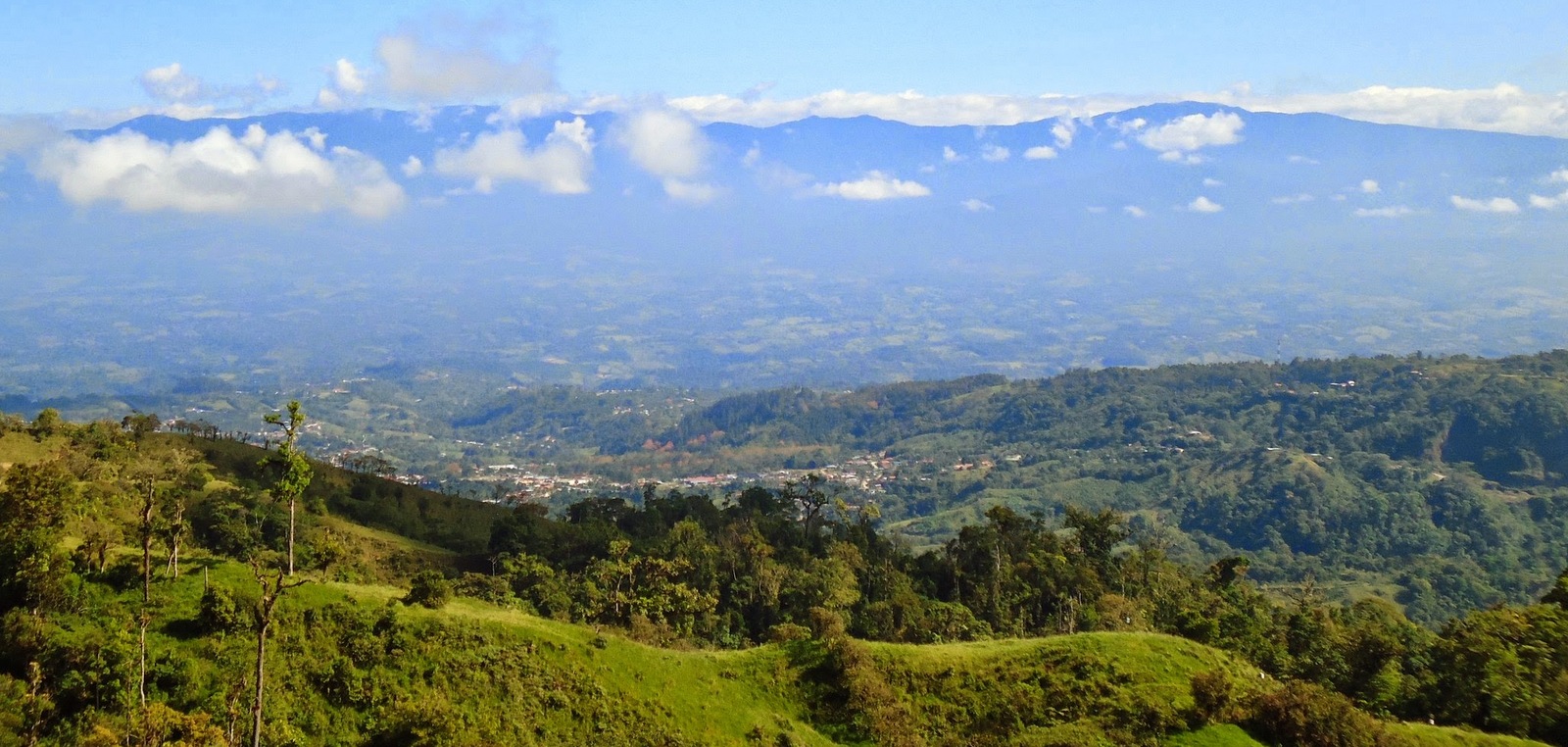
    San Vito & Coto Brus Valley
    The Coto Brus Valley and Talamanca Mountains in southern Costa Rica. Photo by J. Leighton Reid.

    To find out how long secondary forests persist, I teamed up with Matthew Fagan, a landscape ecologist at the University of Maryland Baltimore County, and Rakan Zahawi, director of the Lyon Arboretum, as well as two students, James Lucas at Washington University and Joshua Slaughter at UMBC.

    We studied a set of historical, aerial photos from southern Costa Rica, which covered the time period from 1947-2014. Previously, Zahawi and colleagues had classified which areas in each photo were forest and which areas were farms or other non-forest land uses. By comparing the maps they made for each year, we were able to see where and when new forests appeared and how long they remained as forest before they were converted to some other land use (mostly farms).

    The young forests did not last long. Half of the new forests disappeared before they were 20-years old. And 85% were cut down before they were 54-years old. Larger forests and forests near rivers lasted longer.

    One hectare forest fragment, Coto Brus, Costa Rica
    An isolated forest fragment surrounded by cattle pastures in southern Costa Rica. Photo by J. Leighton Reid.

    First, the bad news. Twenty years is not even close to the amount of time it takes for a young forest to become as diverse as an old-growth forest. For example, vascular epiphytes like orchids and bromeliads take more than 100 years to fully recover in young forests.

    Carbon storage will also take a hit. If forests elsewhere in Latin America are as ephemeral as forests in southern Costa Rica, then carbon stocking over the next thirty years may be reduced by an order of magnitude.

    Ephemeral forests could just be a problem in Costa Rica, but another study shows that secondary forests in eastern Peru have even shorter lifespans. There, secondary forests are cleared at a rate of 3-23% per year. Compared to that, the 2-3% per year rate of loss in southern Costa Rica is considerably better. And that’s not a good thing. Clearly we need more research on secondary forest persistence from other places.

    There is some good news, though. Even though many new forests were short-lived, the ones that survived were predictable. And if we can predict where new forests will survive, we should also be able to help them survive longer. Larger forests and forests close to rivers were cut down less often than small forests and forests far from rivers. This suggests that restoring large, riparian forests could be a smart investment.

    Gulfo Dulce from Fila Cruces - Coto Brus, Costa Rica
    Forests and cattle pastures in southern Costa Rica. Photo by J. Leighton Reid.

    Governments and other organizations can also help forests persist by creating incentives for long-term forest management, providing resources to enable long-term management, and ensuring that local people will be able to enjoy the benefits that old forests provide.

    We hope that this work will lead to stronger restoration commitments. Right now, dozens of countries are setting big targets for forest restoration. For example, in 2012 Costa Rica committed to restore a million hectares of degraded land by 2020 (an area about one fifth the size of the country). There is a great opportunity for Costa Rica and other ambitious countries to plan for long-term forest restoration.

    If we can begin to restore a million hectares of forest by 2020, why not plan to restore a million hectares of 100-year old forest by 2120?

    Melissa's Meadow, Las Cruces Biological Station, Costa Rica
    A trail through secondary forest at the Las Cruces Biological Station in southern Costa Rica. Photo by J. Leighton Reid.

    For more information on this research, you can read our open-access paper in Conservation Letters or watch a video of Leighton Reid presenting to the Association for Tropical Biology and Conservation back in June. Additional papers on restored ecosystem persistence are available here and here. This work is a product of the PARTNERS (People and Reforestation in the Tropics: a Network for Research, Education, and Synthesis) Working Group on Spatial Prioritization. Funding was provided by grant DEB-1313788 from the U.S. National Science Foundation’s Coupled Human and Natural Systems Program.