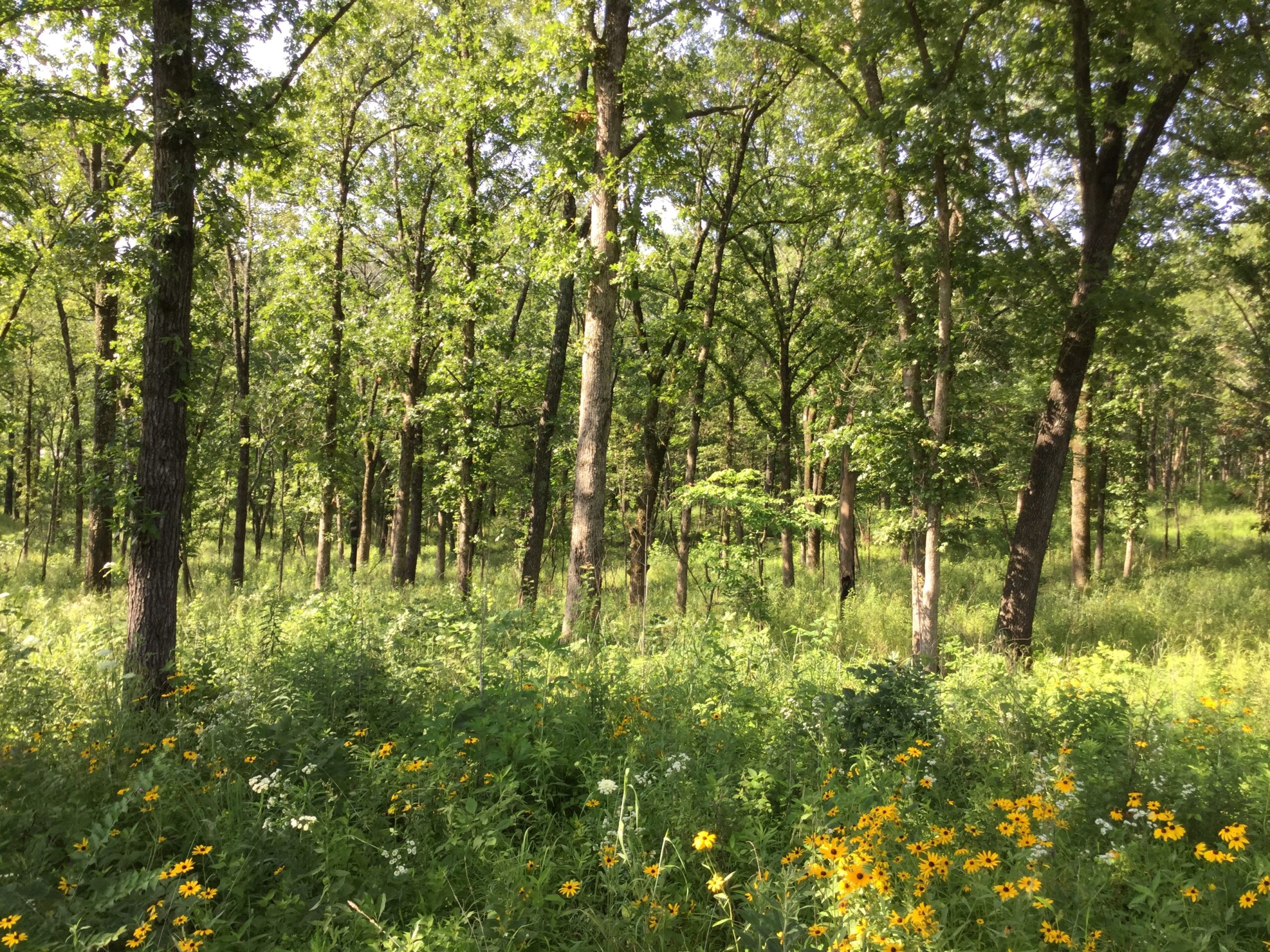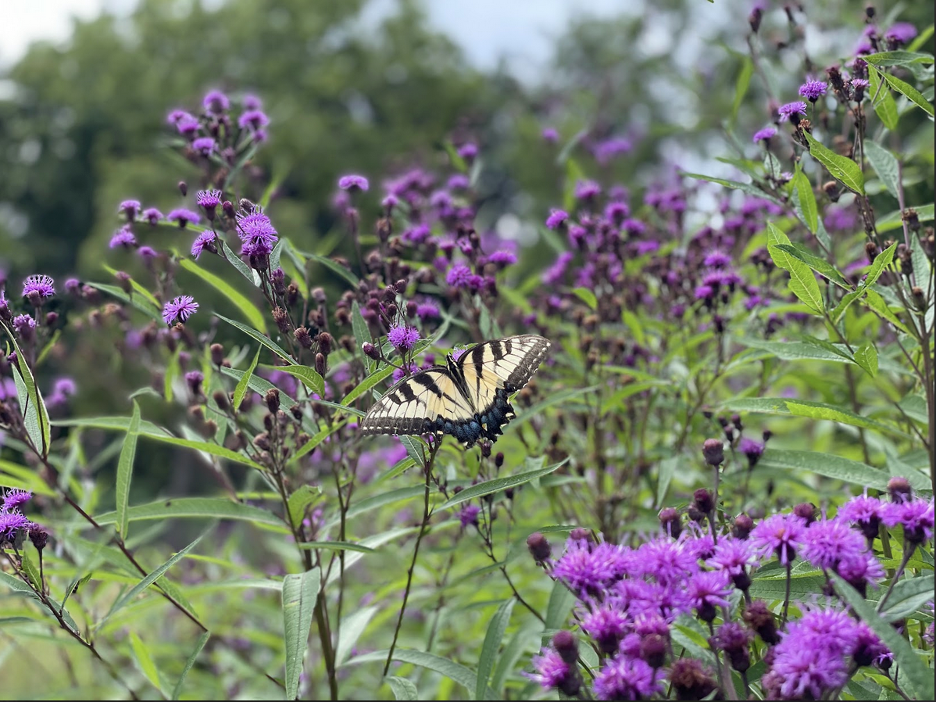
Eve Allen, Program Director for the Northeast Bioregion, James Aronson, President of the Ecological Health Network, and Sefra Alexandra, Director of The Ecotype Project, share insights and outcomes from the inaugural workshop held at the Oak Spring Garden Foundation in Upperville, VA. This workshop led to the launch of a new coalition supporting initiatives for sustainable ecosystem and landscape restoration in the Eastern United States.
Unprecedented federal and state-level investments, combined with growing environmental education programs and awareness, are increasing the demand for ecological restoration (ER) and allied activities in the US, Canada, and worldwide. This is causing a demand surge for native seed and plant material across the United States. Similar trends are coming to light in many other parts of the world as well.
In January 2023, the National Academies of Sciences, Engineering, and Medicine released a 228-page report that found the country’s current supply of native seeds is already insufficient to meet the restoration needs of agencies like the US Forest Service and the Bureau of Land Management (BLM), and the situation is even more acute in the states east of the Mississippi River.
The skewed distribution of federal land ownership in the US exacerbates this problem. To wit, the US Government owns about 46% of the land in the 11 contiguous Western states, whereas its ownership averages only 4.6% in the remaining mainland states. Given that the US government is the primary purchaser of seed and plant material nationally, for use in restoration programs on public lands, this demand serves as a strong signal for farmers and nursery professionals to ramp up production. Despite this, a notable procurement gap exists in the Eastern states, where land ownership is predominantly divided among state governments and private individuals, hindering the development and expansion of robust seed and plant material supply chains.
In 2018, a survey of 760 respondents across the Eastern US states undertaken by the Mid-Atlantic Regional Seed Bank and the University of Maryland indicated that seed buyers sourced seeds from vendors located an average of 418 miles (673 km) away from their restoration sites (typically from vendors in the Upper Midwest (Tangren, Toth, and Siegel 2022). We conclude that there is an urgent need to build stronger networks in the Eastern US to increase supply chain capacity and to improve the quantity and quality of genetically and ecologically adapted seeds and nursery-grown plants with verified provenances.
The Northeast Seed Network
To this end, in March 2023, the Native Plant Trust, Ecological Health Network, and other partners launched the Northeast Seed Network (NSN) to reinforce and build connections and trust among government agencies, Tribal Nations, educational institutions, citizen groups, farmers, nurseries, other private companies, and nonprofit organizations including botanic gardens, seedbanks, and arboreta. By fostering collaboration among all these diverse stakeholders, the NSN seeks to facilitate knowledge exchange, promote impactful research, and advocate for the adoption of best practices, thus fostering a vibrant community of practice. Building strong private, public, and nonprofit partnerships is essential for building seed supply chain capacity or the ability to ensure that we have “the right seed [or plant], in the right place, at the right time” (Oldfield and Olwell 2015). This is because there are numerous ‘public good’ aspects of the ‘supply chain’ (e.g., R&D, education, demonstration, and advocacy) that will not be supported solely through market mechanisms.

Recognizing the Role of Botanic Gardens
To gather more information prior to undertaking any major new steps, the Ecological Health Network carried out a social network analysis to understand existing relationship patterns among the seed supply and demand chain actors in the Northeast US (Allen et al., under review). The study’s findings align with those of Tangren, Toth, and Siegel (2022), indicating that Midwestern seed vendors predominantly dominate markets in the Eastern US. For instance, a seed vendor based in Minnesota has established connections with over 94% of the end-users of native seed and plant material in the US Northeast identified in the study.
However, the research also unveiled that producers of seed and plant materials within the US Northeast region enjoy well-established social ties with many botanic gardens, arboreta, seed banks (referred to as botanic gardens hereafter), and educational institutions in the region. These results support the argument that botanic gardens are uniquely positioned to play an essential role in ecological restoration science and practice (Hardwick et al. 2011), especially in their own regions. Botanic gardens have expertise in numerous relevant fields, including plant taxonomy, horticulture, genetics, seed science, and environmental education, as well as knowledge from ecological field research being undertaken by a growing number of botanic gardens around the world (Aronson et al. 2014; Miller et al. 2016). Furthermore, as emphasized by Crane (2022), botanical gardens share the obligation of addressing socio-ecological challenges arising from climate change, alterations in land cover, and pollution. They must actively maintain their relevance through engagement, education, and tangible actions, particularly at the local level, outside the confines of their garden walls.
Indeed, many botanic gardens across the Northeastern and Northern Mid-Atlantic USA region have programs and activities aimed at strengthening native seed and plant material supply chains, among other things. For example, the Highstead Foundation in Redding, Connecticut, is deeply involved in sustainably harvesting seeds from local, naturally occurring plant populations. Following this, the staff meticulously cleans and stratifies the seeds before growing them into plugs. Local farmers, such as those affiliated with the Northeast Seed Collective will then proceed to amplify the plant material to produce the specialty crop of ecotypic seed. (Read more here).
In Hockessin, Delaware, Mt. Cuba Center, a botanic garden dedicated to preserving native plants and ecosystems across the Mid-Atlantic and Eastern Temperate Forest Region, conducts trial garden studies aimed at evaluating native species for their horticultural and ecological value. These studies serve to educate the public about the garden performance and ecosystem services provided by native species while also fostering the development of new markets for regionally produced seed and plant materials. The garden evaluates material and, where appropriate, shares material for local native plant nursery production. Beyond the horticultural side of the trade, Mt. Cuba engages with land managers and restoration growers, working to understand needs and promote local provenance workhorse species in collaboration with others in a mid-Atlantic seed users network.
At the Cornell Botanic Gardens in Ithaca, New York, a native lawn demonstration project has successfully transformed a plot of turfgrass and weeds into a low-maintenance, low-input, high-biodiversity native grassy meadow. This project serves as a model for home and public green space redesign.
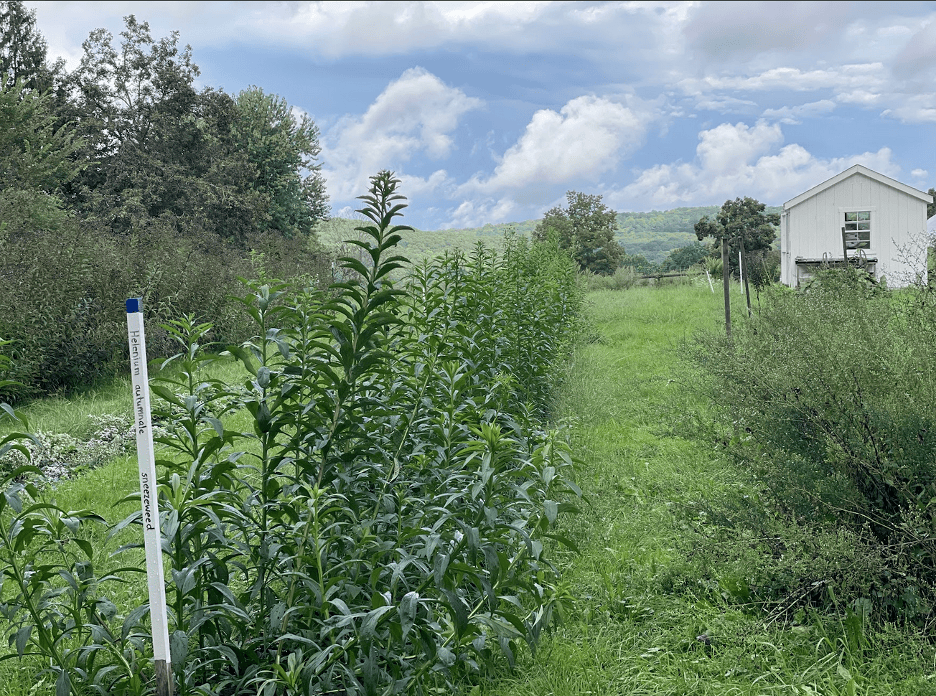
Native Plant Trust’s Nasami Farm in Whately, Massachusetts, Nasami Farm, has a longstanding practice of cultivating native plant material from hand-collected wild seeds. More recently, they have expanded their efforts by establishing seed increase plots to enhance production capacity for regional restoration projects.
These examples provide a sampler of the valuable contributions that botanic gardens across the region are already making to native seed and plant supply chains. However, in May 2023, Eve Allen and James Aronson, alongside Christopher Dunn, the Director of the Cornell Botanic Gardens, recognized a need to improve communication about these existing activities, and programs through improved networking among botanic gardens at a bioregional level.


Convening Botanic Gardens
In this context, in late February 2024, the Northeast Seed Network brought together leaders and key staff members from thirteen botanic gardens, arboreta, seed banks, allied non-profit organizations, and the largest native seed and plant material supplier in the Northeast. The participants’ organizations included Coastal Maine Botanical Garden, Cornell Botanic Gardens, Ecological Health Network, The Ecotype Project, Highstead Foundation, Longwood Gardens, Mt. Cuba Center, Native Plant Trust, Virginia Natural Heritage Program, Oak Spring Garden Foundation, Pinelands Nursery, Southeastern Grasslands Institute, and the US National Arboretum. The convening workshop, organized and moderated by the Ecological Health Network, was graciously hosted by the Oak Spring Garden Foundation in Upperville, Virginia. This was the ideal venue from the Northeast Seed Network’s perspective, and the object of our workshop aligned seamlessly with Oak Spring Garden Foundation’s Mission Statement: “to support and inspire fresh thinking and bold action on the history and future of plants.”


The launch of the Restorative Landscape Coalition
Over the course of a long day and delightful evening, the participants worked together to chart a course for a new collaborative effort. Together, we recognized the distinctive responsibility botanical gardens bear to strengthen native seed and plant supply chains for landscape restoration across a spectrum of ecosystems, spanning from urban areas to suburbs, agricultural landscapes, corridors, and other protected areas of significant conservation value. More broadly, we agreed that botanic gardens are custodians of our shared plant biodiversity on our planet. By engaging in conservation, exploration, education, research, providing facilities, and leveraging expert horticultural know-how, they – and allied organizations like arboreta, herbaria, and seedbanks, should work together to bolster resilience and restore the health of people, ecosystems and landscapes. We also agreed that it would be timely to work on meeting this challenge at a bioregional level, namely in the Eastern US.
Additionally, we discussed immediate ways to leverage experience, expertise, and educational capacity held within our gardens and allied organizations to address key objectives and recommendations outlined in the US National Seed Strategy and the National Academies of Sciences, Engineering, and Medicine’s 2023 Report, An Assessment of Native Seed Needs and the Capacity for Their Supply.
Enhancing demand signals by building better markets
The National Academies Report identifies unpredictable demand as the foremost challenge for native seed suppliers across the United States (p.98). This problem is especially pronounced in the US Northeast, as the substantial increase in demand for native seeds and plants fails to translate into intelligible markets. Current and potential suppliers within the Northeast Seed Network, including farmers and nursery professionals poised to expand their production of diverse species and ecotypes, require more consistent and transparent signals of demand.
As such, a primary objective of the Restorative Landscape Coalition is to address and surmount the various policy, regulatory, and cultural obstacles hindering the utilization of source-identified, genetically diverse seed supplies, as well as nursery-grown or propagated plant materials. For example, we addressed the necessity of conducting targeted outreach and engagement with state and municipal agencies to facilitate the development of enhanced recommended species and species substitution lists. Currently, these lists predominantly feature mid-western species, likely due to their commercial availability.
Rather than solely focusing on seed production or amplification efforts, we recognize the critical importance of fortifying the ‘demand’ side of seed and plant material supply and demand chains. This strategic emphasis not only elucidates the distinction between the Restorative Landscape Coalition and the Northeast Seed Network but also underscores their mutually reinforcing relationship. Our approach involves generating and sharing knowledge, know-how, and best practices to enhance existing markets and create new markets for high quality seed and plant material.
Leverage our living collections to amplify seed production
Citing The National Academies of Science’s 2023 report, we reaffirmed how the in situ living collections (particularly conservation collections of wild origin) housed in botanic gardens and affiliated non-profit organizations serve as a crucial safeguard for native species within the plant materials development pipeline, when reproductively isolated from other related collections, for seed amplification.
The US National Seed Strategy and National Academies of Sciences report emphasizes the imperative to increase collaboration and cooperation across agencies and with external partners. This involves sharing expertise, facilities, and optimizing the production and use of plant materials. Botanic gardens are custodians of our shared plant biodiversity. By engaging in conservation, education, research, providing facilities, and leveraging expert horticultural know-how, we are committed to providing a key link in efforts to bolster resilience and restore the health of landscapes in the Eastern US.


Fostering bioregional collaboration to achieve lasting social-ecological impact
To advance the individual and collective missions and visions of the organizations and institutions participating in the Restorative Landscape Coalition, we will strive for a holistic perspective and approach that emphasizes the tremendous power and potential held within the concept of a bioregion. This is a spatial scale often overlooked by public, private, and government institutions. Note that a bioregion is not defined by political boundaries nor even by ecological and biogeographical boundaries alone. Rather, the concept corresponds to the geographical territories of human communities and cultural groups as well as the ecological systems on which they depend and of which they are a part. To be coherent, and useful, the boundaries of a bioregion must be delineated to uphold the integrity of its biological and human communities, ecosystems, and social-ecological systems. This includes preserving essential processes such as nutrient cycling, historical disturbance regimes, and species migration, among other biological and ecological factors. Additionally, sustainable and equitable management of resources and ecosystem services is vital, spanning generational and community boundaries within the diverse human populations inhabiting a bioregion. Bioregions vary in scale, ranging from watersheds to much larger territories, and may traverse international borders. However, they are fundamentally shaped by their flora, fauna, and human communities, each contributing to and benefiting from a distinctive identity defined by climatic, ecological, and cultural characteristics (Berg 1991).
While initially complex and possibly daunting, there are significant advantages to the approach of organizing human activities and systems based on bioregional boundaries. Most importantly, it provides a strategic framework for connecting individual and collective efforts to facilitate impactful changes at appropriate scales to address biodiversity and climate goals (Pezzoli, 2015; Wearne et al., 2023). That being said, addressing the intricate environmental challenges of the 21st century on a large spatial scale, especially with an unconventional concept like bioregionalism, demands innovative forms of network governance (Scarlett and McKinney, 2016).

Social impact and Social-ecological impact networks
A social impact network is one in which formal and informal institutions collaborate across diverse interests, sectors, and political arrangements to establish social norms, social capital, and trust that together can propel and sustain collective information sharing, decision-making, and action (Kapucu and Hu 2020; Ehrlichman 2021). However, when social-impact networks are operating at broader geographical and societal levels – bioregions – and developing initiatives that target ecological and environmental challenges that demand integrated ecological and social interventions, we may call them social-ecological impact networks (Ecological Health Network 2024).
The Restorative Landscape Coalition is intended to be a social-ecological impact network dedicated to working with and enhancing the capacity and impact of the Northeast Seed Network and other seed production-focused partnerships, as well as emerging, restoration- and conservation-oriented partnerships operating across the Eastern US. Our commitment is to support initiatives that sustain, conserve, and, when necessary, restore degraded ecosystems and reintegrate fragmented landscapes within our bioregion – the overlapping and adjacent EPA Level III Ecoregions of the US Northeast, Mid-Atlantic, and Southeast regions. Please note that here we use the ecological definition of “landscape,” namely an assemblage of ecosystems that are arranged in recognizable patterns and that exchange organisms and materials such as nutrients and water (Forman & Godron 1986).

Our next steps
While acknowledging the substantial work ahead, we are confident that the collective resources within our institutions, organizations, and like-minded networks will allow us to make inroads toward our shared goals. Collectively, we embrace an unwavering dedication to the public good and the well-being of future generations. Our shared missions encompass inspiring meaningful connections among people, plants, and the natural world, education and awareness, conservation and stewardship, and research and innovation, all aimed at enhancing society’s overall well-being, resilience to global changes, vigor, and – in a word – health.
Please join the Restorative Landscape Coalition at the American Public Gardens Association’s Annual Meeting in Boston, June 24 to 27, 2024. We will be there, hosting a 90-minute workshop entitled Fostering regional collaboration among public gardens to address native seed and plant material needs, on Thursday, June 27th, from 10:30 a.m. to 12:00 p.m.
To stay in touch and receive updates about the Restorative Landscape Coalition and the Northeast Seed Network, please sign up for our mailing list. You can also follow us at @ecohealthglobal on Instagram, @EcoHealthNet on X and Facebook, and Ecological Health Network on LinkedIn for updates.