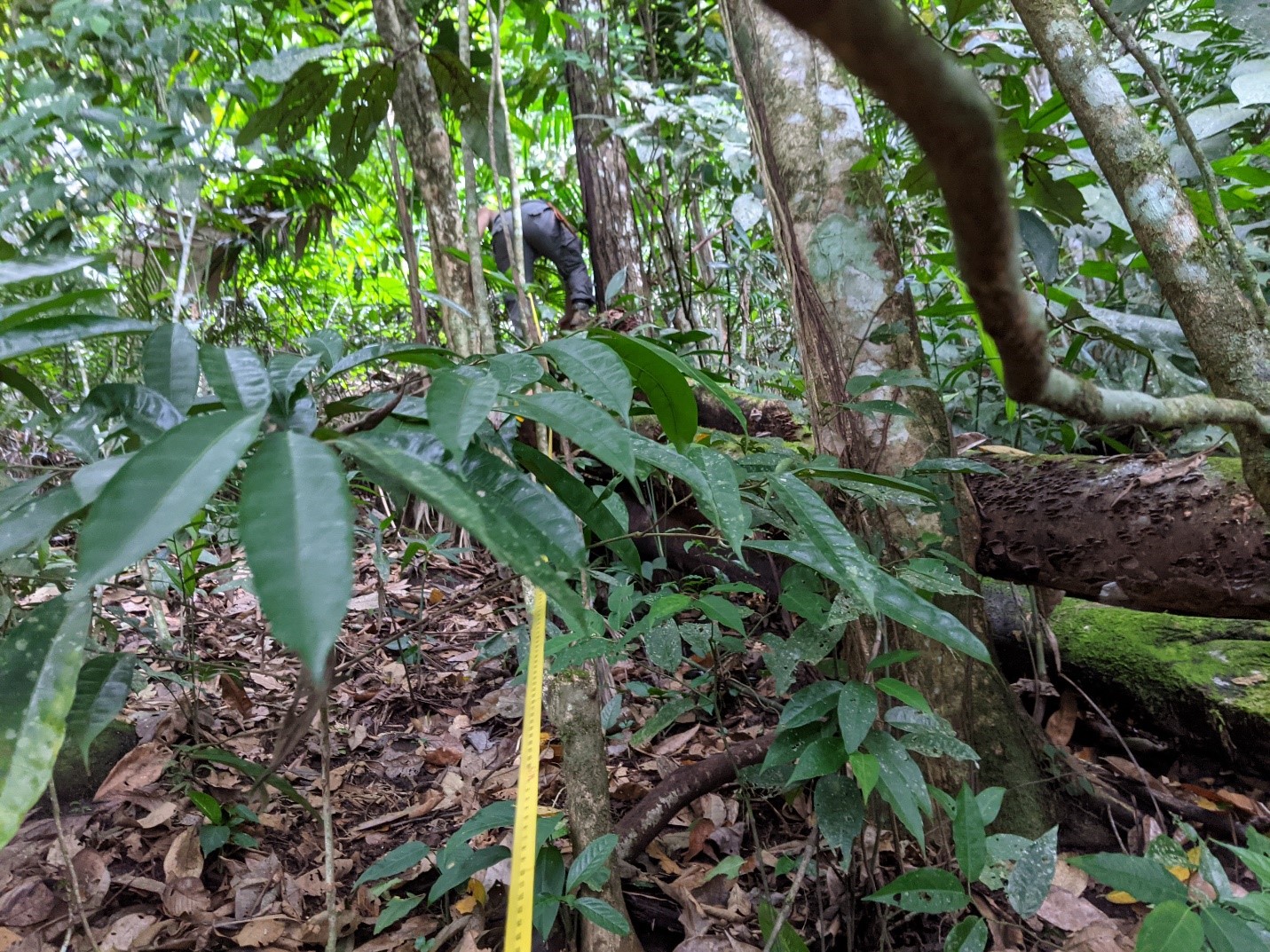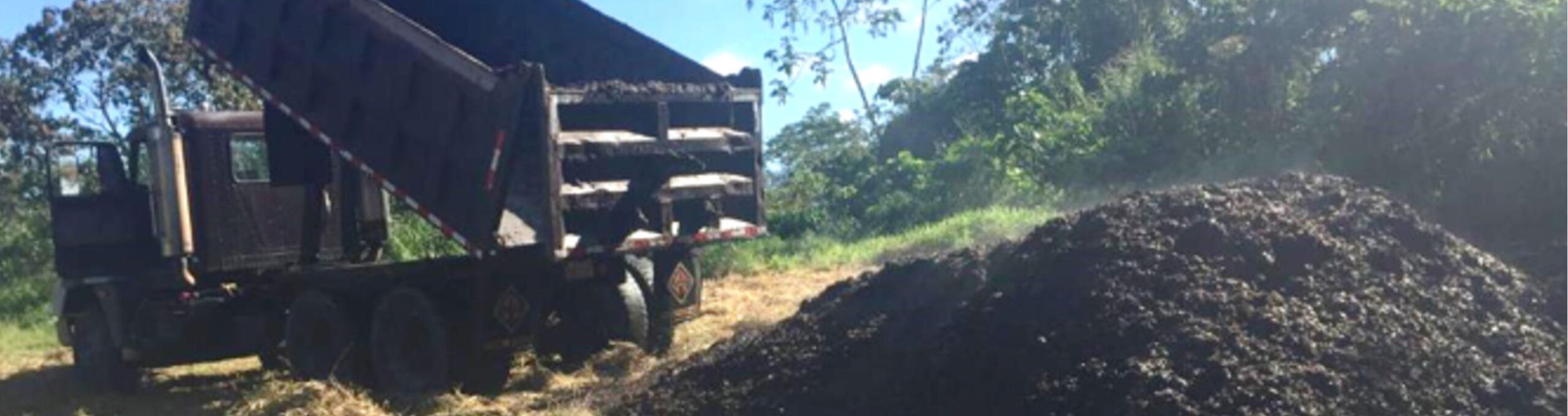
Category: Tropical Ecological Restoration

  • The Choconexión Project: Restoring Ecological Connections in Ecuador’s Chocó Rain Forest

    The Choconexión Project: Restoring Ecological Connections in Ecuador’s Chocó Rain Forest

    By J. Leighton Reid

    J. Leighton Reid is an Associate Professor of Ecological Restoration in the School of Plant and Environmental Sciences at Virginia Tech.

    The acid test of our understanding is not whether we can take ecosystems to bits on pieces of paper, however scientifically, but whether we can put them back together in practice and make them work. Anthony Bradshaw, 1987

    Ecological analyses in the Choco region are greatly complicated by the inadequacy of the taxonomic data base. Alwyn Gentry, 1986

    In northwestern South America there is a long, thin strip of rain forest that stretches from western Ecuador through Colombia to eastern Panama. This area, known as the Chocó, contains some of the wettest rain forests on Earth, with certain areas receiving more than 11,000 mm (433 inches) of rain each year. The Chocó is isolated from the Amazon basin by the Andes, and as a result many Chocoan species are found nowhere else. Despite its relatively small size, the Chocó is home to about 3% of the world’s vascular plants and 63 endemic bird speciesMore species are described each year.

    A few Chocoan endemic species. (A) Amalophyllon miraculum (Gesneriaceae) – so called because it is a miracle that this little forb has survived in the tiny fragments of Chocó rain forest left in the Centinela near the city of Santo Domingo. This species co-occurs there with another Gesneriaceae, Gasteranuthus extinctus, so named in the early 1990s because it seemed inevitable that rapid and comprehensive deforestation in this region would cause its extinction. Photo: John Clark. (B) Little devil poison dart frog (Oophaga sylvatica) – individuals in a population just one hillside to the north are a completely different color. Photo: JL Reid. (C) Long-wattled Umbrellabird (Cephalopterus penduliger) – a beloved and much-studied disperser of surprisingly large seeds. Photo: Luis Carrasco. (D) Banded Ground-Cuckoo (Neomorphus radiolosus) – one of the rarest and most endangered (and most spectacular) birds in the Chocó. Photo: Murray Cooper. (E) Piedrita (Exarata chocoensis, Schlegeliaceae) – a canopy tree with very coriaceous leaves and one of the last species discovered by Alwyn Gentry before his untimely death in western Ecuador in 1992.

    Although the Chocó rain forest has been relatively well preserved on the west slope of the Andes and in lowland Colombia, the section in lowland Ecuador is mostly gone. More than two thirds (68%) of lowland northwestern Ecuador has been deforested to make space for cattle pastures, oil palm plantations, and cacao plantations. Federally protected areas have had mixed success in preventing or reversing this decline. The Cotacachi-Cayapas Ecological Reserve in the higher elevations of the western slope is still about 99% forested, while the Mache-Chindul Ecological Reserve in the lower coast range retains only 61% of its forest.

    Historical (left) and current (right) forest cover in the Ecuadorian Chocó. Source: Monitoring of the Andes Amazon Program (MAAP): https://www.maapprogram.org/choco/.

    Several non-profit organizations are working to shore up protection of the remaining forest and ensure an evolutionary future for Chocoan biodiversity. One of these is the Foundation for the Conservation of the Tropical Andes (FCAT), an Ecuadorian non-profit committed to achieving durable Chocoan biodiversity conservation in collaboration with local residents and scientists, who call themselves the FCATeros. To advance their mission, the FCATeros are researching local ecosystems and socio-ecological systems, building bioliteracy through youth education, developing local capacity for science and conservation, and helping local farmers diversify their income through regenerative agriculture. FCAT is also purchasing land for conservation and to connect remaining forest fragments, with a goal of conserving 10,000-hectares (~25,000 acres) to sustain healthy populations of Chocoan plants and animals. They have already acquired 700 hectares (~1700 acres) – a mix of primary rain forest and regenerating agricultural lands.

    FCATeros are local scientists and conservationists working tirelessly to understand and defend the Ecuadorian Chocó. (A) Jorge Olivo fires a nylon cord into the canopy of a piedrita tree to hang a camera trap and observe which animals disperse its seeds. Photo: JL Reid. (B) Domingo Cabrera presses a leaf and preserves fruits and seeds of Clavija eggersiana – a threatened and endemic Primulaceae. Photo: JL Reid. (C) Darwin Zambrano, Alex Gualan, Gregory Paladines, Thalia Duenas, and Cesar Munoz outplanting seedlings of a rare and recently described endemic species, Cedrela angusticarpa (Meliaceae), described this year by Walter Palacios and colleagues.

    Some of the degraded land within the FCAT Reserve is regenerating quickly into secondary rain forest. This is particularly the case in areas that were deforested recently and retain many remnant trees, a seed bank, and resprouting tree stumps. Other areas were deforested longer ago and were used more intensively for cattle grazing and cacao production. These areas have more compacted soils, fewer remnant trees, and introduced African forage grasses that inhibit native tree regeneration. As the reserve expands, FCAT will need cost-effective ecological restoration techniques to fill gaps between forest fragments.

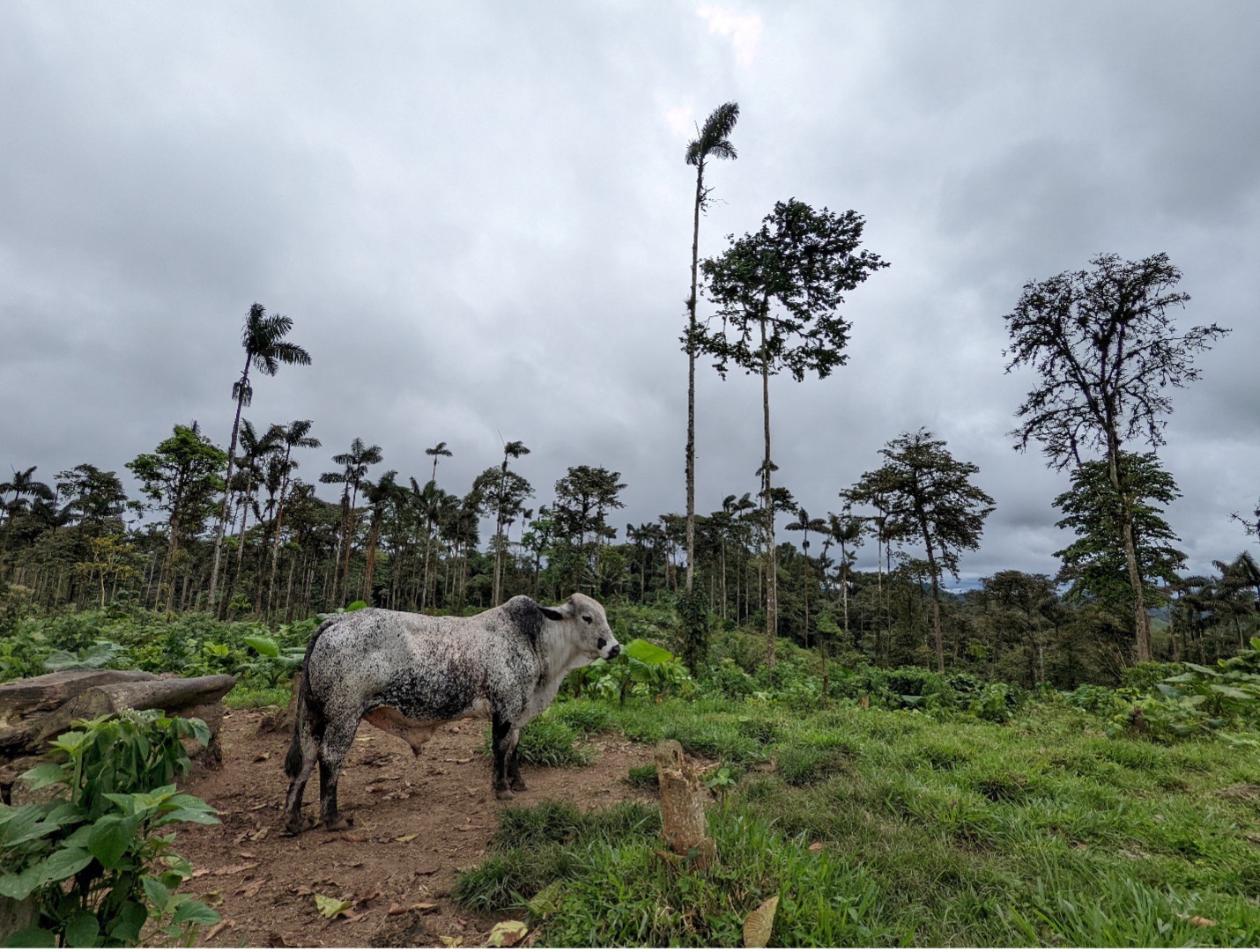
    A soon-to-be-evicted bull standing amidst remnant trees and tree stumps in a recently deforested pasture in the FCAT Reserve. This area is naturally regenerating quickly. Photo: JL Reid.

    The Choconexión Experiment

    In 2021, FCAT invited me to help develop a restoration strategy to meet this need. We formed a collaborative local and international team of scientists and conservationists to recommend restoration strategies for about 80 hectares (~200 acres) of degraded agricultural land. For roughly two thirds of the land (the less-degraded part), we recommended a natural regeneration approach; cattle were removed and the area was allowed to regenerate without further intervention. On the remaining and more degraded area, we developed an experimental restoration study to identify a cost-effective strategy for FCAT to apply on other degraded lands. In doing so, we also took the opportunity to test a basic theory about how ecological communities assemble themselves.

    Patches of pasture cleared with weedwhackers and glyphosate to prepare them for tree planting at the FCAT Reserve. Tree planting positions are marked with bamboo stakes. Photo: JL Reid.

    For our restoration experiment, we chose a technique called applied nucleation, which mimics the patchy spatial patterning of natural forest regeneration. Applied nucleation is intermediate between natural regeneration and more extensive native tree plantations. I studied this method for my PhD research in southern Costa Rica, where over more than 20 years we have found that applied nucleation produced more biodiverse secondary forest more consistently than natural regeneration, and it produced nearly equivalent biodiversity recovery compared to more extensive tree plantations for about 1/3-1/4 the cost. At FCAT, we sought to test applied nucleation in the Chocoan context and to optimize some of the tree planting parameters – including how many species to plant, which particular species to plant, and how widely to space the tree planting patches.

    Choconexión Project experimental design. Each plot is 125×125 m (1.65 hectares, ~4 acres). The aerial imagery was produced with a drone in April 2023. It shows (in negative) the tree planting patches, or islands, cleared within the degraded pasture.

    In 2022-2023, FCAT installed the experiment by clearing pasture grasses and planting more than 3,000 native tree seedlings into 116 15×15-m plots (roughly 50×50 feet). Native trees were all of which were harvested as seed from mother trees in the surrounding landscape and propagated in hand-made nurseries at the FCAT field station. In half of the plots, we planted 19 tree species, and in the other half we planted four species to test the influence of tree diversity on forest recovery. Tree planting plots were separated from one another by either 10, 20, or 30 m to test the optimal spacing. We assumed that planted trees would be able to extend their branches to fill a 10-m gap within a few years, but that it would take many years for them to fill a 30-m gap.

    Experimental treatments and planted species in the Choconexión Project. In each of the large treatment plots, only one type of tree planting composition is used.

    Finally, in half of the plots we planted three fast-growing pioneer tree species that we knew would produce a lot of fruit, and in the other half of the plots we planted fast-growing trees that would not produce much fruit, either because they were wind-dispersed or because their fruits were not appealing to most animals. We built this test into the experiment because the vast majority of plants in western Ecuador have seeds that are dispersed by animals. We thought that if we planted trees that quickly produce many fruits, these trees would attract fruit-seeking animals that would visit the sites more often and deposit plant seeds from the surrounding rain forest. If we are right and that effect is strong enough, it might be possible to plant fewer trees or a lower diversity of trees and have animals compensate by planting more trees (and other plants) for us. This would save FCAT money and allow us to reforest larger areas or put more funds into land acquisition and other mission-driven activities.

    Yellow-throated Toucan (Ramphastos ambiguus) in a Cecropia tree in lowland Costa Rica. Cecropias produce protein-rich fruits (right) that hang pendulously from beneath its large leaves and are available to fruit-eating animals of all sizes. We hypothesize that restoration plots planted with Cecropias, figs, and rubber trees will recover biodiversity and carbon faster than plots planted with other species that produce less desirable fruits. Photo: JL Reid.

    By creating differences in early successional fruit availability, this experiment also represents a basic test of how the first trees to establish in a rain forest influence the types of trees that establish later. In other words, it is a test of priority effects in rainforest reassembly.

    There are four high-level processes that determine which species will gain membership in a local ecological community. These are dispersal, selection, drift, and speciation. In many parts of the world, environmental selection imposes strict limits on which species can live in a given place. For example, there is no woody plant that can tolerate the combination of freezing temperatures and inundation in salty water. Thus, mangroves exist only in the tropical and subtropical latitudes and herbaceous salt marsh plants occupy similar environments closer to the poles.

    Mark Vellend’s Theory of Ecological Communities posits that environmental selection, ecological drift, dispersal, and speciation are the four high-level processes that determine which species will gain membership in local ecological communities.

    It is possible to make very good predictions about the kinds of plants that will form a local community if you know: (A) the traits of the plants in the community, (B) the relationship between those traits and a set of important environmental variables, and (C) the values or ranges of the important environmental variables at a local site. However, these models work best in places with relatively harsh environments, such as boreal wetlands and arid mountain ranges. Predicting rainforest community assembly is harder because the abiotic environment is more benign (generally warm and wet), and as a result, the particular species that arrive and survive may be more strongly determined by biotic gradients – potentially including fruit availability.

    A tree planted island in the Choconexión Project in June 2024. After two years of growth, some of the balsa (Ochroma pyramidale) were already 21 cm (8.2 inches) in diameter. A young fig and cecropia are visible in the bottom left; these two species are expected to begin fruiting soon. This plot backs up to a living fence composed mostly of Erythrina berteroana; these and other pre-existing trees have been mapped throughout the experiment. In this part of the experiment, tree planting patches are separated by 10 m (32.8 feet); the tops of the balsas in the adjacent patch are visible at right. Photo: JL Reid.

    As of October 2025, the Choconexión Project has been planted for 2-3 years (it was planted in two rounds in 2022 and 2023). Most species survived well (82% overall, range ~40-95%) and those that did not survive are being replanted. Some of the balsa are more than 10 m (32 feet) high after two years of growth, and a fig species (Ficus tonduzii) has begun to produce fruit. This year we will develop tree phenology and fruit availability protocols to characterize the effects that experimental treatments are having on the biotic environment.

    A growing number of collaborators and students are monitoring a wide range of ecological variables within the experiment. Last year, an expert botanist, Milton Tirado, established a baseline of the initial woody plant community at 192 points throughout the experiment. Others have also described gradients in soil quality, identified and tagged remnant trees, produced LiDAR data from a flyover at the start of the experiment, and generated annual orthomosaics with a drone. Monitoring is underway for birds, frogs, and other wildlife. Studies have also begun to measure secondary seed dispersal and recovery of the plant-frugivore network. In addition, the experimental landscape is being used for several other projects, including studies of caterpillar predation risk, volatile organic compound composition, and bat disease ecology, among others.

    An air sample collector built by Gabrielle Isaacman-VanWertz to collect samples for volatile organic compound (VOC) analysis. This summer two Tulane undergraduates conducted a pilot study to determine how well common VOCs like ethylene predict the abundance of ripe fruit and over what spatial scale. If effective, such detectors could be used to systematically monitor ripe fruit abundance across the experiment. Photo: JL Reid.

    In the next few years, we plan to replicate this experiment in additional sites and to develop protocols to measure plant and animal functional traits, abiotic environmental gradients, and seed rain. These will allow us to rigorously test how much more information about rain forest reassembly can be gained when dispersal-mediated priority effects are considered in addition to environmental filters.

    More importantly, the results of this experiment will provide pragmatic and timely information to FCAT and others working to preserve the Ecuadorian Chocó. By refining and optimizing applied nucleation designs for this unique landscape, we will make limited conservation funding go farther to restore trophic and landscape connectivity in the fragmented Mache Chindul Ecological Reserve.

    A mixed-use landscape in the Mache Chindul Ecological Reserve, where FCAT seeks to re-establish ecological connectivity with a RAMSAR wetland, the Laguna de Cube. Photo: JL Reid.

    The Choconexión Project is a collaborative effort that involves too many partners to fully enumerate. The experiment was co-designed by Zak Zahawi, Jordan Karubian, Luis Carrasco, and Carlos Aulestia, with support from many others. Carlos led the reforestation with a team of FCATeros. The restoration was funded by the US Fish and Wildlife Service to provide overwintering habitat for Neotropical migratory songbirds. Subsequent ecological monitoring is funded by the US National Science Foundation (DEB 2339839). Some of the graduate students who have worked on the experiment include Nicole Lussier (birds and bird-plant networks), Sebastián Aparicio Vera (tree seedling performance), Holden Jones (frogs), Phoebe Reuben (bats and their diseases), and Mareli Sanchez (soil). All of the scientific work performed within the Choconexión Experiment has been permitted by MAATE.

    To learn more:
  • The cost-effectiveness of fertilizing and irrigating tropical dry forest seedlings in an applied nucleation project

    The cost-effectiveness of fertilizing and irrigating tropical dry forest seedlings in an applied nucleation project

    By Dr. Laura Toro

    Laura is a Restoration Scientist at the Missouri Botanical Garden’s Center for Conservation and Sustainable Development, where her research focuses on dry tropical forest restoration (ltoro@mobot.org).

    Tropical dry forests are among the most threatened ecosystems in the world. Commercial agriculture, livestock farming, and mining have damaged and reduced the extent of this ecosystem type globally. Now less than 10% of the original extension of this ecosystem persists. The conservation and restoration of tropical dry forests are often overlooked because they are not as lush and well-studied as rainforests. However, restoring tropical dry forests can ensure the survival of thousands of unique plant and animal species that only exist in this ecosystem, and the protection of food, medicine, and livelihoods for millions of people. 

    Colombia has been one of the few countries that has invested resources to study the diversity and function of tropical dry forests across the country to ensure the conservation and restoration of the existing remnants of tropical dry forests. Since 2013 the von Humboldt Institute has been leading most of the research initiatives, and all the knowledge compiled about tropical dry forests has motivated the creation of a biodiversity offsetting policy. This policy establishes that for every hectare of tropical dry forest that is impacted by any kind of development project, 10 hectares (25 acres) of land need to be restored and conserved.

    Although our understanding of the ecology, function, and diversity of tropical dry forests has increased in the last decade, the unique characteristics of this ecosystem type including the lack of precipitation for up to 8 months, makes it challenging for seeds and seedlings to naturally establish in these forests. Therefore, restoring tropical dry forests requires extra investment, like seed purchasing, in situ seedling production, tree planting, irrigation, fertilization, and weed control. These extra steps translate into a large financial investment at the beginning of a restoration project. According to published estimates, the establishment phase (year 1) of a restoration project in a tropical dry forest can range from $105 – $25,830 ha-1 (Bodin et al. 2022).

    Irrigation and fertilization are among the most expensive management practices often implemented. When seedlings are planted in previously tropical dry forest areas, they are often irrigated to extend seedling access to water, and fertilized because most tropical dry forest soils are expected to be highly degraded from previous land uses. However, it is still unknown how much irrigation and fertilization seedlings need to be able to survive and grow. To answer this question, Fundación Natura, a Colombian nonprofit organization, Enel-Emgesa, an Italian electrical company, and researchers from the University of Minnesota established an applied nucleation project (where trees are planted in small patches to serve as focal areas of recovery) in a grassland area dominated by non-native species in southwestern-central Colombia that used to be a tropical dry forest. In this area, Enel-Emgesa built a dam, and as part of their biodiversity offsetting strategy the company committed to restore ~12,000 ha of degraded tropical dry forests in the next 10 years. 

    Ten-year-old grassland where tropical dry forests seedlings are not naturally establishing (photo: Laura Toro).

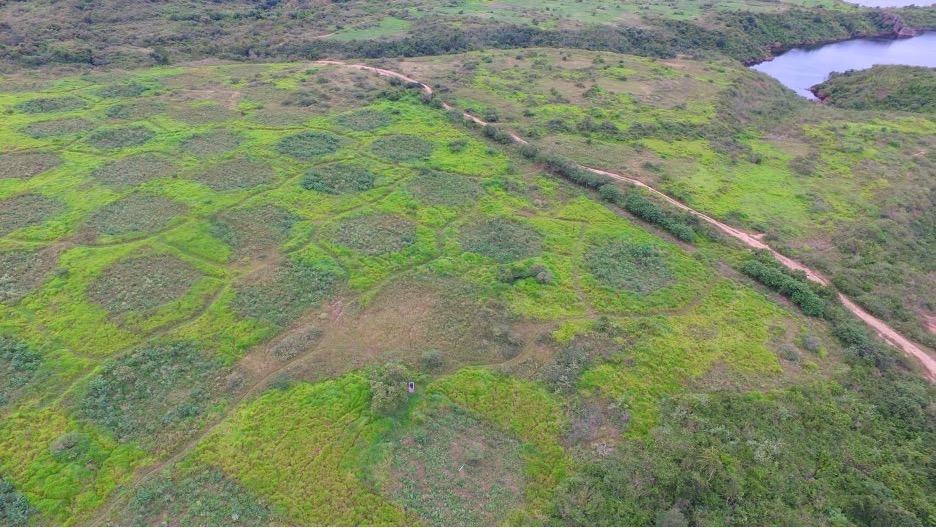
    The grassland, where the research project we report on here was established, covered 7 hectares (17 acres) and had little evidence of spontaneous natural regeneration, so we implemented an applied nucleation intervention. To do that, we cleared the existing vegetation of the area with machetes and scythes, tilled with a tractor to reduce soil compaction, and set up 42 hexagonal plots that had an area of 1000 m2 (0.25 acres) each. In each plot, we planted 271 seedlings belonging to 11 different plant species native to dry tropical forests of this region. Four of these species had the ability to associate with bacteria that can fix atmospheric nitrogen. The seedlings planted all received 1 kilogram of ant farm soil, 10 grams of hydrogel to extend the period of favorable soil moisture, and 50 grams of nitrogen – phosphorus – potassium (NPK) fertilizer, 25 grams of NPK, 43 grams of phosphoric rock, or no fertilizer, depending on the plot where the seedlings were planted. All seedlings were irrigated once they were planted to activate the hydrogel. The seedlings that received the irrigation treatments were watered two more times during the first month of the experiment. The control and the 50 grams of NPK without additional irrigation treatments did not receive any additional water. Once the seedlings were 6 months old, we started monitoring their survival and growth. In each plot,we recorded the height of every seedling that was still alive. Thereafter, we measured seedling height approximately every six months for two years.

    Aerial image of the 42 nucleation plots established in 2019 in El Quimbo, Colombia. The extension of the restoration intervention was 7 hectares (17 acres) (photo: Fundación Natura). 
    A close-up view of the experimental restoration plot. The orange lines represent the limits of the plot (1000 m2 = 0.25 acres), and each small dot represents a seedling planted (Photo: Fundación Natura). 

    Additionally, we decided to compare the costs among the different management strategies implemented. We documented the cost of seedling production, planting, fertilizers, irrigation, and monitoring. Finally, we estimated the cost-effectiveness of each treatment for any of the eleven species planted. We did that by first estimating the total cost of planting a hectare of grassland with a single tree species (a hectare is equivalent to six nuclei = 1,626 individuals) under a specific treatment, and then dividing that cost by the % survival of that species under that specific treatment after two years. The most cost-effective method was the one that yielded the lowest cost and had the highest % survival.

    An employee from Fundación Natura fertilizing a seedling of Vachellia farnesiana a shade-avoiding plant species common in tropical dry forests in Colombia (photo: Laura Toro). 

    We found that during the first two years of the project seedling survival was on average 73% across treatments. The seedlings that received 25 grams of NPK plus irrigation treatment had the highest survival (76%), while the seedlings that were fertilized with 50 grams of NPK and did not receive additional irrigation had the lowest survival (69%). However, when we looked at the survival across species, we found that survival varied across species and treatments. The plant species with the highest survival was Ceiba pentandra (99%), while Handroanthus coralibe had the lowest survival rates (5%). In terms of costs of planting seedlings, we found that the cheapest strategy was to not fertilize or irrigate the seedlings ($7,313 per hectare, $2,961 per acre), while the most expensive strategy was 50 grams of NPK plus irrigation ($11,689 per hectare, $4,732 per acre). Finally, when we compared the cost-effectiveness of the six fertilization and irrigation strategies implemented, we found that the control treatment was the most cost-effective management practice across the eleven species planted ($19,522 per hectare, $7,903 per acre) in part due to the low costs of no additional management beyond planting and monitoring, and the modest benefits to survival of costly irrigation and fertilization practices.

    Aerial image of nucleation plots in El Quimbo, Colombia in 2022. (photo: Fundación Natura).

    Even though restoration practitioners deal with a lot of uncertainty and restoration studies still lack information about how fertilizers affect the growth of native tree species and non-native grasses, there are multiple ways to improve restoration outcomes in tropical dry forests. We encourage partnerships between scientists and restoration practitioners to test how fertilizers impact different plant species growth and survival, and to estimate the costs of this practice across different tropical dry forests. Additionally, paying close attention to the soil fertility of the area, planting species that are found locally, actively weeding during the first year of the project, and fencing the restored area to ensure herbivores do not browse the seedlings will increase seedling survival and the success of the restoration efforts. Based on our results, we suggest that restoration projects should spend less resources on irrigation and fertilization, and more on plant species selection and weed removal.

    If you want to learn more about how fertilization and irrigation impacted the growth and survival of tropical dry forest seedlings, we invite you to read our recent paper in Restoration Ecology or contact Dr. Laura Toro.

  • The relevance of species diversity and composition in restoration plantings: a case study in the Atlantic Forest in Brazil

    The relevance of species diversity and composition in restoration plantings: a case study in the Atlantic Forest in Brazil

    By Dr. Ricardo Viani

    Ricardo Viani is a professor at the Universidade Federal de São Carlos, Brazil, where he coordinates the LASPEF (viani@ufscar.br)

    The Atlantic Forest in Brazil is a highly diverse tropical forest, listed as a global hotspot for biodiversity conservation. It is also the home of the two biggest Brazilian cities, São Paulo and Rio de Janeiro, and it is where most Brazilians live; around 150 million people inhabit and depend on the Atlantic Forest for the provision of ecosystem services.

    Originally covering about 1.2 million square kilometers (297 million acres), the Atlantic Forest now covers less than 20% of its original area because of centuries of degradation. It is no wonder that the Atlantic Forest stands out globally as a region where forest restoration is urgently needed and is being taken seriously. In recent decades, many large-scale Atlantic Forest restoration programs have been implemented and, in 2009, the Pacto (Atlantic Forest Restoration Pact), a coalition of hundreds of institutions working for Atlantic Forest restoration, was launched. For its work, the Pacto was recognized as a World Restoration Flagship by the United Nations Decade on Ecosystem Restoration, highlighting it as a global example of an ongoing, large-scale, and long-term ecosystem restoration effort.

    Landscapes where forest restoration plantings are usually done in the Atlantic Forest in Brazil. A sugarcane plantation (left, photo: Paulo Molin) and a pasture matrix (right, photo: Ricardo Viani), with variable levels of scattered remaining forest.

    After decades of Atlantic Forest restoration efforts, it is time to evaluate what we have done so far, not only to assess the outcomes but also to inform other large-scale restoration initiatives worldwide. Thus, we recently investigated which tree species were included in 1,073 forest restoration plantings implemented from 2002 to 2018 in the Brazilian Atlantic Forest by restoration programs carried out by the NGO SOS Mata Atlântica.

    Overall, 423 tree species were included in the evaluated plantings, which represent less than 8% of the Atlantic Forest tree flora. In comparison with remaining forest patches, restoration plantings skewed towards nitrogen-fixing, non-animal-dispersed, and pioneer species. Plantings had poorly included endangered and endemic species as well as species that were previously indicated as priority for restoration based on their ecological interactions, carbon storage, and conservation values.

    However, the more striking result is that restoration initiatives are planting the same set of limited tree species across the whole Atlantic Forest. Although the Atlantic Forest has three types of forests (the Araucaria Forest, the Rainforest, and the Seasonal Forest), each one with their own singular floristics, restoration plantings are overall more similar in species composition to each other than to the remnants of the type of forest of the region where they exist. In other words, we plant the same species without considering spatial variation in local and regional floras.

    This pattern raises an uncomfortable question. Is large-scale restoration via tree planting contributing to biotic homogenization, that is, the tendency for distinct places to become more similar?

    A tropical forest restoration planting in the Atlantic Forest in Brazil. Plantings tend to be done with a similar set of species across the whole Atlantic Forest. Photo: Ricardo Viani

    Why should we pay attention to the trees we plant for tropical forest restoration?

    One may say that our role in tropical forest restoration is to trigger ecological succession, and it is not relevant if we plant just a few tree species across a wide, diverse region. Actually, some argue that we should plant the same species everywhere, by selecting and planting the best species to accelerate early forest development . This is one explanation for the overrepresentation of pioneer trees in restoration plantings, and a reason to increase the representation of generalist animal-dispersed trees, which attract native fauna to restoration sites and favor natural regeneration under planted trees. Another argument may be that evaluating what we plant for forest restoration is not so important because non-planted species will naturally colonize planting sites later on and change their floristic composition. However, this statement and the previous one are acceptable only if regional tree species can colonize restoration sites in fragmented landscapes – a questionable premise in typical landscapes of southeastern Brazil.

    The few studies available in rich tropical forests show that many non-planted trees species colonize restoration plantings, which is good news. However, some functional groups, such as slow-growing tree species dispersed by gravity or by larger animals tend to be bad colonizers, especially in fragmented or defaunated landscapes. In other words, if they are not planted, many tree species will not reach restoration sites on their own, and we should pay more attention to their inclusion in restoration plantings.

    Finally, we need also to consider that restoration is a strategy to promote in situ tree species conservation. The Atlantic Forest has more than 4,000 native tree species, almost half of them endemic, and dozens threatened by extinction. However, few endemic and threatened tree species are included in restoration plantings and some of the ones that are included are only used infrequently and in low abundance. Probably, some of them are also rare, absent in fragmented landscapes, and not good colonizers, which increases the importance of their planned and careful inclusion in restoration efforts.

    A practitioner planting a slow-growing tree in the understory of previously planted pioneer trees. This is part of an experiment in the Atlantic Forest in Brazil, aiming to answer when it is better to plant slow-growing species: together with pioneer trees or under their shade. Photo: Ricardo Viani

    The way forward

    Restoration initiatives have done great work for the Atlantic Forest in recent decades, but there are always points that could be improved, such as the representation of regional flora and of some groups of species currently underrepresented in plantings (e.g., animal-dispersed, endangered, high value species for conservation, etc.). Solving this issue involves much more than just recommending their inclusion in restoration initiatives. Many of these species are rare, lots of them do not have seeds or seedlings available for restoration and, many, if not most, are slow-growing trees. Knowing how restoration practitioners perceive the importance of species diversity, selection, and composition for restoration plantings and potential trade-offs in prioritizing diversity representation versus fast early recovery may give insights on strategies to overcome this challenge.

    In addition, as many underrepresented species in tropical forest restoration plantings are slow-growing, it is worth studying ways of introducing these species in restoration plantings. For instance, should we plant slow-growing trees under full-sun or under the canopy of previously planted pioneer trees? How can we balance the composition of restoration plantings to include slow-growing species without losing the benefits of rapid forest development promoted by fast-growing species? All these questions are still to be answered and part of my ongoing research project Optimizing high-diversity restoration: perceptions and approaches to add tree diversity in tropical forest restoration plantings.

     We are on our way, but there is still a long path to go before restoration will truly represent the diversity of complex and unique biomes.

    For more information, read our paper recent paper in Forest Ecology and Management or contact Dr. Viani (viani@ufscar.br).

    Part of an Atlantic Forest restoration experiment in Brazil where different abundances of fast and slow-growing species are being assessed aiming to find the best strategy to add slow-growing trees in tropical forest restoration plantings. Photo: Paulo Molin
  • Understanding the contributions of restored forests for nature and people: The NewFor Project

    Understanding the contributions of restored forests for nature and people: The NewFor Project

    By Dr. Pedro Brancalion

    Dr. Brancalion is an associate professor of tropical forestry in the Department of Forest Sciences at the Luiz de Queiroz College of Agriculture (ESALQ) of the University of São Paulo. A leading expert in tropical forest restoration, Dr. Brancalion coordinates the Laboratory of Tropical Forestry (LASTROP), is partner at Re.green – a restoration company, is the Director of Innovation of the Center for Carbon Research in Tropical Agriculture, and member of the coordination board of the Center of Studies Sustainable Amazon.

    Forest Landscape Restoration (FLR) emerged as a promising approach to revitalize degraded and deforested landscapes, by recovering their biodiversity, ecosystem services, and economic value. The Bonn Challenge is a pivotal FLR initiative, with an overarching goal of restoring 350 million hectares of degraded land by 2030. Over 210 million hectares have been pledged so far, by more than 60 nations, mostly across the tropics. Given its importance for mitigating some of the most pressing environmental crises of our time, like climate change and the sixth mass extinction, the Bonn Challenge and other FLR initiatives are strongly connected to other environmental and restoration programs, such as the Paris Climate Agreement, the United Nations’ Decade on Ecosystem Restoration and the UN Sustainable Development Goals. In spite of great promises and expectations, the implementation of these pledges has lagged behind schedule, highlighting the need to better engage local people by promoting FLR approaches that maximize desired benefits and overcome critical barriers for implementation.

    FLR can be implemented through several reforestation approaches, including natural forest re-growth, mixed plantations of native species, monoculture tree plantations, and agroforestry. Planning the distribution of these approaches over space and time is a critical step towards effective FLR, and it depends on local socioecological conditions, targeted benefits, and stakeholders’ perceptions of the potential of each FLR approach to deliver these expected benefits. The aim of FLR is to establish multipurpose landscapes, where different FLR approaches are implemented in different areas to maximize various benefits.

    Two contrasting farms in Colombia: On the left, a traditional cattle ranching farm in which most of the landholding area, even the riparian buffers, is occupied by planted pastures. The variation of color of the pastures (light green in the lower lands where soil is more fertile, and brownish at the slopes where soil is shallow, and erosion is high) is a clear indication that only a small portion of the land is productive. On the right, a restored farm, which had a similar initial condition to the neighbor farm but was submitted to FLR interventions over the past 20 years by a non-governmental organization, CIPAV. Degraded pastures in the slopes were abandoned for natural forest regeneration, a eucalyptus woodlot was planted to supply wood and fencing poles, a silvopastoral system was established in the lowlands, and restoration plantations were employed to protect riparian buffers (such plantations are not shown in the photo). Photo: P. Brancalion.

    FLR relies on the increase in landscape heterogeneity for recovering multiple environmental benefits. However, nearly half of the FLR pledges to the Bonn Challenge are composed of monoculture tree plantations, which maximize financial returns in the short term but undermine the optimal recovery of biodiversity and ecosystem services. Rather than promoting landscape heterogeneity, some of these FLR initiatives may have promoted the opposite process, a form of forest landscape degradation that may magnify the impacts of climate change and the biodiversity crisis. A critical step to shift the direction is to better understand the pros and cons of different FLR approaches for delivering contributions for nature and people.

    The NewFor Project

    The Atlantic Forest of Brazil is a top global hotspot for the restoration of tropical rainforest landscapes. Since mid-2010’s, there has been a net increase in native forest cover and a fast expansion of eucalypt plantations, indicating that his region is rapidly transitioning to a mosaic of agricultural, forest, and urban landscapes. However, rather than the old-growth native forest remnants that once covered the region before deforestation, the new forest cover is now composed of a heterogeneous mosaic of different tree cover types. My colleagues and I believe it is important to understand how different tree cover types in different socioecological contexts influence human wellbeing and conservation. Doing so will allow us to develop new landscape-scale rules of thumb for FLR and will inform a menu of FLR options available to restoration practitioners to help them achieve their goals. At the same time, it would allow us to decipher some guidelines for restoration practice and offer a more robust menu of options for restoration practitioners to select the restoration approaches that better match their restoration conditions and expected benefits.

    With these premises in mind, the project “Understanding restored forest benefits for nature and people – NewFor” was established initially as a partnership between the University of São Paulo (Brazil) and Wageningen University and Research (The Netherlands), financially supported by the São Paulo Research Foundation (FAPESP) and the Dutch Research Council (NWO). However, what was initially established as a research project between two universities rapidly transformed into a broad network of research organizations, NGOs (10), private companies (13), governmental agencies (5), and farms (over 50), which greatly increased the financial and logistical support of the project and allowed us to scale up our FLR project evaluations. These organizations have actively collaborated in the co-production of knowledge with researchers, an essential step towards more effective and transformative restoration.

    The NewFor team. Photo: Gehard Waller.

    The NewFor Project was initiated in 2020 based on the application of a protocol for evaluating forest multifunctionality (soil carbon, chemical and physical evaluations, soil water infiltration, litter and dead wood stocks, forest inventory of trees with diameter at breast height ≥5 cm, counting of regenerating individuals with height ≥2 m and diameter <5 cm, in 30 x 30 m plots) in different tree cover types (natural forest re-growth, mixed species restoration plantations, monoculture tree plantations, agroforests, forest remnants and agropastoral land uses as a control) distributed across a broad range of age and biophysical conditions (soil and climate types, relief, neighboring land uses, landscape connectivity). Further, the field plots were integrated into remote sensing evaluations based on lidar and hyperspectral sensors carried on drones and airplanes. The study area is the state of São Paulo, in southeastern Brazil, where most of the biophysical gradients of interest were present and restoration projects abound.

    The NewFor Project has been implemented through the following step:

    • identification of a local partner who knows the region and can help identify and access different types of tree cover;
    • evaluation of aerial and satellite images to create land use/cover maps, which are validated with a local partner and further used to randomly allocate the position of the field plot;
    • field checking of the land use/cover, allocation of the permanent plots in the field with plastic tubes at the corners and high-precision geolocation;
    • implementation of the protocol, tagging each tree with a metallic tag;
    • flights over the field plot and the polygon with the tree cover type where the plot is located;
    • processing of the samples in laboratory; and
    • organization, storage, and validation of the data and metadata.

    So far, the project accumulated data for more than 700 plots, which includes nearly 1,200 tree species, ~80,000 stems and ~50,000 trees, and obtained lidar data for ~400,000 hectares.

    Field work by the NewFor team. Photos: Pedro Brancalion

    Activities of the geospatial team: high-precision geolocation of the plots with a GNSS GPS equipment, field checking of the delimitation of the boundaries of the polygon composed by the tree cover type of interest where the field plots are established, and flight over the polygon and plot with a drone equipped with a lidar and hyperspectral sensor. Photos: Paulo Molin

    Although few results of the project have been published in the literature so far, the bulk of data analysis, publications, and policy recommendations are about to start, as data collection has finished, and the dataset is ready to use. One of the most immediate – and perhaps most important – impacts of the NewFor Project was the inspiration for creating a similar nation-wide initiative by the Ministry of Science, Technology and Innovation, the Regenera Brasil initiative, which will employ a similar monitoring approach across all Brazilian regions and vegetation types, with the support of local research and outreach organizations. The Regenera Brasil project is about to start, which may make Brazil the first country to have a national restoration inventory.

    To learn more about the NewFor Project, visit our blog and read our scientific papers about distinguishing between different FLR-related tree cover types and monitoring the outcomes of FLR interventions using UAV-based remote sensing, or contact the author. Also, follow us in social media: Instagram, YouTube, LinkedIn, and Facebook.

    For additional information, contact Pedro Brancalion: pedrob@usp.br

  • Reforestation and Natural Regeneration:  Two approaches for Andean Forest Recovery in Ecuador

    Ximena Palomeque, Selene Báez and Hans Verbeeck, describe ongoing research on the suitability of native tree species for restoring degraded sites in the southern Andes. Ximena is a Professor in the Agriculture Faculty and researcher at Department of Water Resources and Environmental Sciences at the Universidad de Cuenca in Ecuador. Selene is an Associate Professor in the Department of Biology, National Polytechnic School of Ecuador, and Hans Verbeeck is a Professor in the Faculty of Bioscience Engineering, Department of Environment at Ghent University in Belgium. ximena.palomeque@ucuenca.edu.ec; selene.baez@epn.edu.ec; hans.verbeeck@ugent.be

    In recent decades, numerous international and regional agreements have formed the foundation for implementing restoration actions, setting ambitious goals and targets to reverse the degradation of tropical forests. For example, Ecuador has set itself a goal to restore 30,000 hectares between 2022 and 2025 as part of the National Program of Landscape Restoration, including both natural regeneration, sometimes called “passive restoration”, and reforestation, one form of “active restoration”. However, achieving lasting benefits in terms of biodiversity conservation, carbon storage, and other ecosystem services requires robust scientific guidance to ensure the implementation of the best possible restoration practices for such highly complex ecosystems as those found in the mountains of the tropical Andes,  one of the world’s biodiversity hotspots, spread across several megadiversity countries, including Ecuador.

    Andean forest landscapes are characterized by complex mosaics of different land cover types over relatively small spatial scales. Past experiences in restoration have taught us that forest recovery can be rapid and result in diverse forests, but it can be slowed down and even hindered by historical land-use practices. In particular, aggressive competitors such as invasive nonnative grasses (e.g., Festuca arundinacea, Setaria sphacelata, both introduced as fodder for livestock), and the cosmopolitan bracken fern (e.g., Pteridium arachnoideum) often impede the natural recovery of forests, especially in abandoned pastures or areas that have been repeatedly burned. Moreover, the historical use of introduced, fast-growing tree species for reforestation in the Andean region has led to extensive monocultures of Pinus spp., Eucalyptus spp., or Acacia spp., which have had disastrous consequences for local biodiversity by profoundly altering ecosystem dynamics. Given the need for information on efficient and effective reforestation practices using native tree species from the Andes of Ecuador, a large part of our research program aims to address critical knowledge gaps and provide clear guidelines for successful reforestation practices and policies. 

    To some extent, the extensive use of non-native species for reforestation reflects our limited knowledge of the diversity and potential of native Andean species when intentionally planted. This knowledge gap has hindered the production of adequate seeds and seedlings for use in local reforestation projects. Although some progress has been made in the last decade, a comprehensive understanding of the germination requirements and rates of plant establishment after planting of the most common native Andean tree species is still lacking. In order to bridge this knowledge gap, the Forest Ecology and Seed Laboratory at Universidad de Cuenca, researchers at the Department of Biology at Escuela Politécnica Nacional of Ecuador, the Department of Biology at Pontificia Universidad Católica del Ecuador, and the CAVELab at Gent University (UGENT) in Belgium collaborate to explore various aspects of reforestation using native trees and shrubs. To date, we have gathered experimental data on more than 25 Andean woody species, focusing on seed propagation in laboratory and nursery conditions, as well as the performance of outplanted seedlings on degraded lands. 

    As a natural progression, we are now conducting experimental research to assess how different outplanted native plant species perform in the field across environmental gradients. Additionally, we are evaluating the potential for carbon sequestration and biodiversity recovery in past reforestation projects, considering factors such as different types of human disturbance, environmental conditions, and landscape-scale attributes. Our findings indicate that landscapes with high natural forest cover have enhanced rates of aboveground biomass and biodiversity accrual, thanks to increased tree survival, sapling recruitment, and animal seed dispersal. In addition, as expected, undisturbed reforested areas recover faster than areas subjected to occasional cattle ranching. These research approaches encompass diverse levels of biological organization, employing a variety of research tools to study and compare plant species, plant communities, and ecosystem processes.

    Landscape mosaic illustrating the various land uses found in the area known as “Santa Rosa” in Sevilla de Oro, located at 2300 m a.s.l., Azuay province. Photo: Sebastián Tello.

    Seed germination tests of native species in the plant growth chamber at Seed Lab, Universidad de Cuenca in Ecuador. Temperature of 9°C (night) and 12°C (day) under cycles of 12 h of alternating light and darkness. Photo: Ximena Palomeque.

    Currently, our main research projects on both approaches to restoration, “active” and “passive”, are led by doctoral students. In 2020, Franklin Marin, a PhD student at the CAVELab, UGENT, Belgium, initiated a large-scale reforestation experiment along an elevation gradient of 2,000 m a.s.l. in southern Ecuador. This experiment involved the planting of over 7,000 individuals from five native woody species, namely Oreocallis grandiflora, Hedyosmum luteynii, Weinmannia fagaroides, Morella pubescens, and Vallea stipularis. The groundwork for the experiment was laid two years earlier when we collected and germinated seeds from a diverse pool of mother trees. Four treatments were implemented, including grass removal and artificial shade, to examine their effects on seedling survival, performance, and species-level trait-plasticity. Weather stations were installed at each study site to monitor conditions that could influence seedling performance over time. This study aims to shed light on the suitability of native species for reforestation projects in sites with varying environmental conditions and interspecific competition. Furthermore, we seek to gain insights into the functional traits that render tree species especially suitable for early stages of forest recovery, which may allow us to generalize our findings to a wider range of Andean tree species under scenarios of natural regeneration or reforestation. 

    A picture containing plant, outdoor, crop, cash crop

Description automatically generated

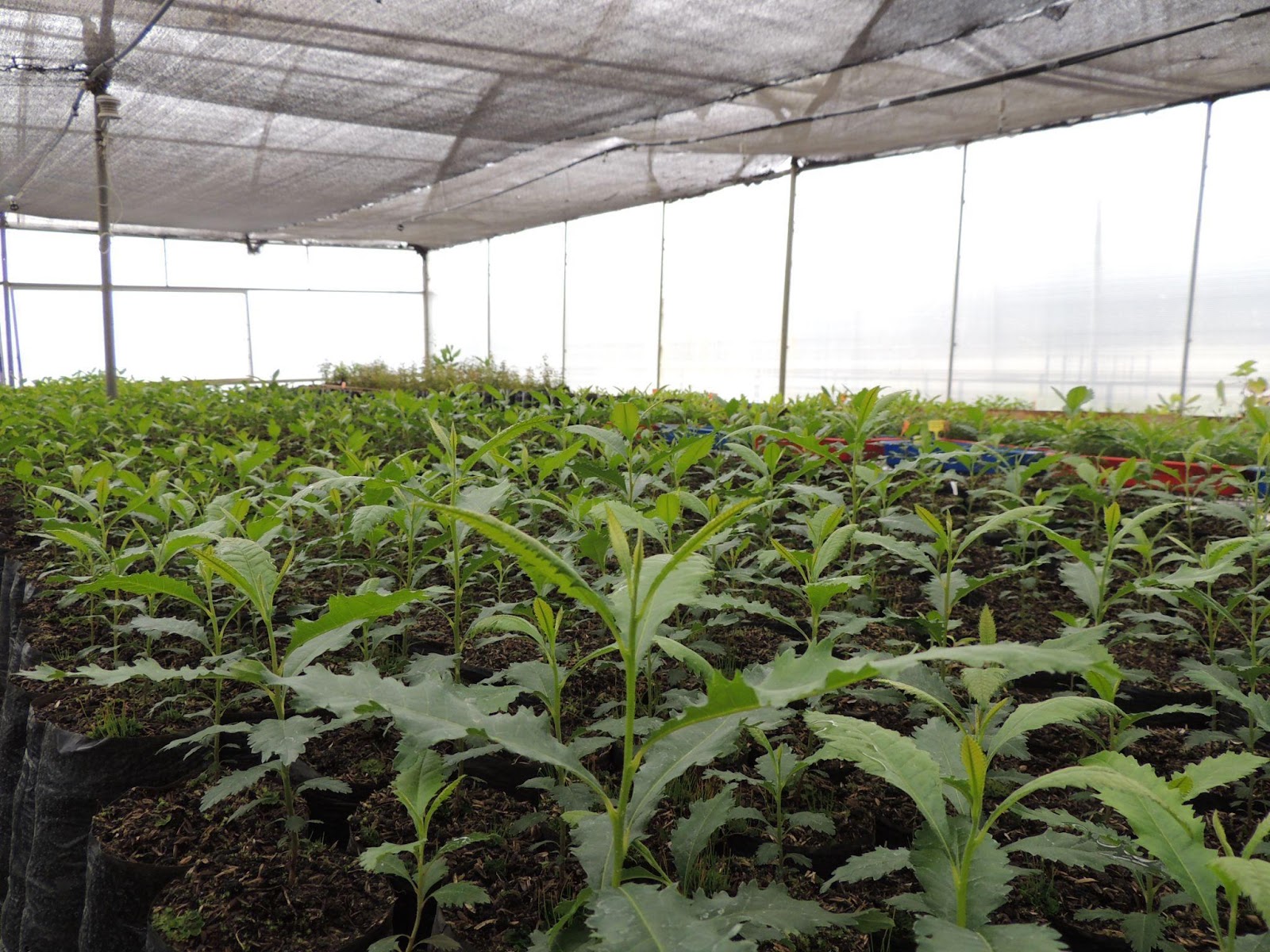
    Seedlings of five native species growing in the greenhouse at Universidad de Cuenca in Ecuador. Photo: Ximena Palomeque. 

    Reforestation experiment using the five native species named in the text on abandoned pastures, Irquis experimental farm, Universidad de Cuenca; located at 2800 m.a.s.l., Azuay province. Photo: Geomatics Lab, Facultad de Ciencias Agropecuarias, Universidad de Cuenca.

    Franklin Marín (PhD student) and Selene Báez (EPN) near the weather station and ozone diffusion tubes in the reforestation experiment, Irquis experimental farm, Universidad de Cuenca, Azuay province. Photo: Ximena Palomeque.

    A parallel research project led by Gabriela Maldonado, a PhD student at the University of Cuenca, explores the functional composition and diversity of woody plants along gradients of anthropogenic disturbance and across environmental conditions. Gabriela conducts a reforestation experiment using several key species (e.g., Oreocallis grandiflora), with functional traits (e.g., cluster root formation) that could facilitate the establishment of diverse sets of species under scenarios of natural regeneration or reforestation. These “restoration nuclei” could play a crucial role in reestablishing networks of pollinators in restored ecosystems, particularly as some of these species are essential resources for hummingbirds. Her research is conducted within the framework of the Experimental Network Ecology and Restoration, EXPER-NET project, which also involves researchers from the Swiss Federal Research Institute (WSL) and Universidad del Azuay.

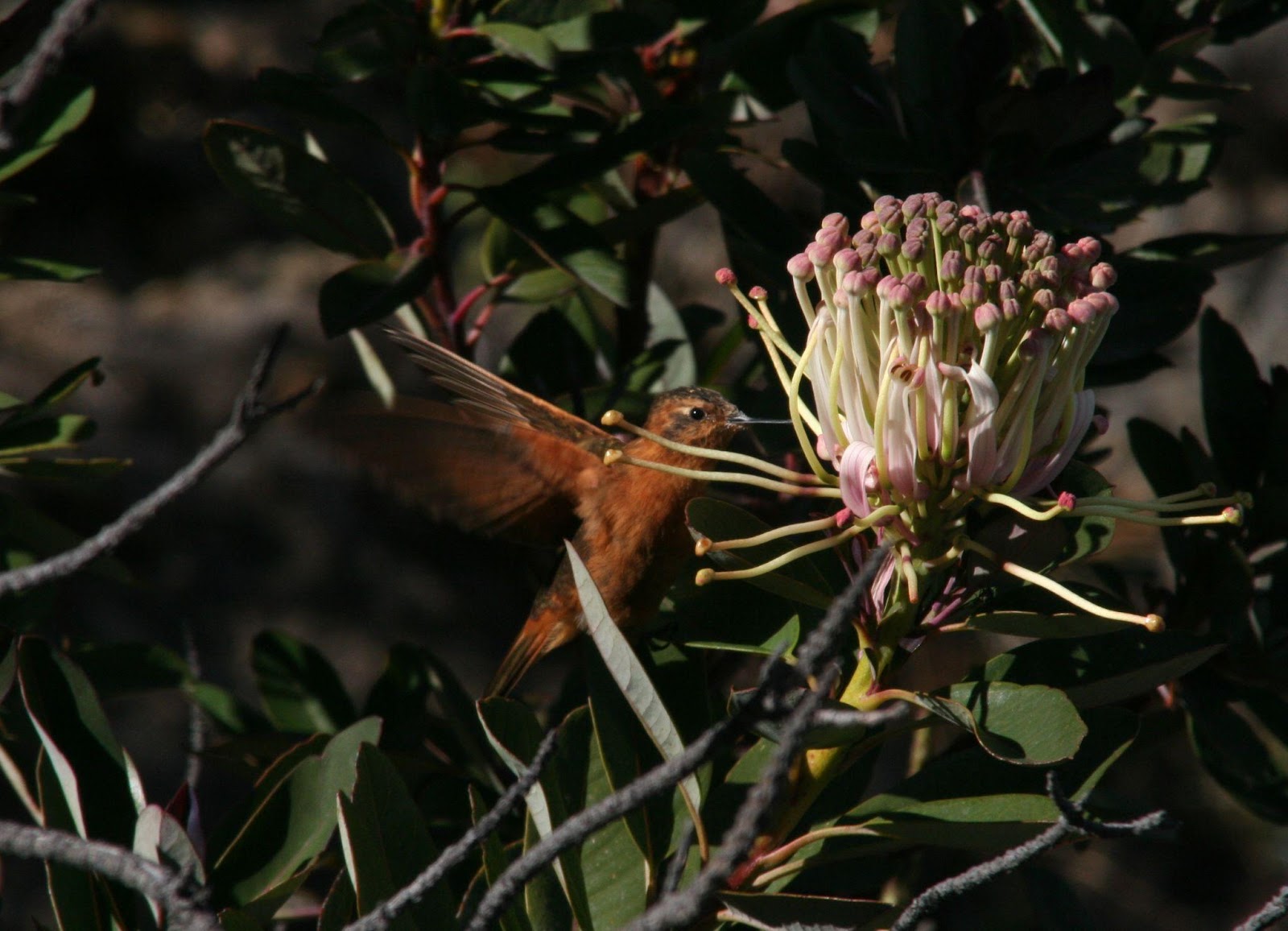
    Oreocallis grandiflora (Proteaceae), commonly known as gañal is one of the five native tree species used in the reforestation experiments. This species, the only member of its genus, is found only in the high Andes of Peru and Ecuador. Hummingbirds, several types of insects, and even rodents pollinate the flowers of this tree due to its generous production of nectar. Photo: Boris Tinoco.

    A person and person standing in a field

Description automatically generated with medium confidence

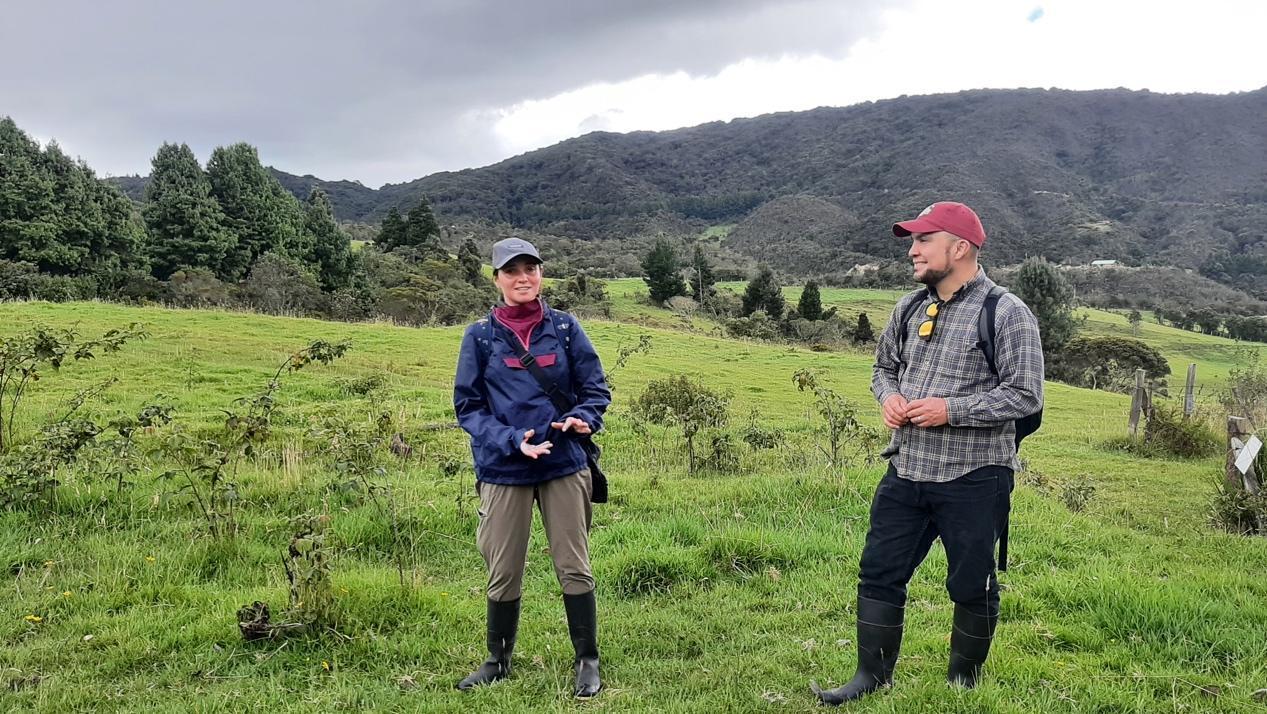
    Gabriela Maldonado (PhD student at University of Cuenca) and Sebastian Tello, Director of the Latin America Department at the Missouri Botanical Garden visiting the observational plots and discussing natural regeneration of degraded pastures at the Irquis experimental farm. To the left, non-native tree species, and in the back, hills with secondary forests. Photo: Selene Báez.

    The ongoing research projects have also contributed to scientific training and cultural exchange involving numerous MSc students and dozens of undergraduates. We aim to broaden our impact on the scientific capacity of Ecuadorian and international students by extending our collaborations with scientific groups based in Germany, UK, Switzerland and USA, as well as by fostering exchange programs and field summer courses that focus on specific topics of montane forest ecology and restoration ecology. 

    We emphasize the significance of international scientific collaborations and funding partners (mainly VLIR-UOS, Belgium) in catalyzing this research initiative. These interactions have enabled us to pursue innovative research in the context of restoration, with direct implications for restoration practices and policy making. Due to the need for solid scientific information to foster natural regeneration and hands-on restoration of Andean forests, several national and international institutions have become close allies of our research group. These organizations comprise local and international NGOs, water funds, electricity production companies such as  BOS+, MCF, FONAPA, CELEC, ELECAUSTRO and – most recently – the Missouri Botanical Garden

    This video presents more complete information about one of the projects; and click here for the announcement of the 2023 field course “Linking plant functional traits and ecosystem function in tropical montane forests”. If you require additional information, please do not hesitate contacting the authors of this blog post. 

  • Critical (ecological) care in the land of the dodo: invasive species removal

    Critical (ecological) care in the land of the dodo: invasive species removal

    By Eva Colberg, postdoctoral fellow at Cornell University. Nearly all of Mauritius’s contemporary conservation plights are rooted in or exacerbated by the effects of invasive, non-native species. To see what restoration can do for the island’s few remaining forests, Dr. Eva Colberg joined members of the Tropical Island Biodiversity, Ecology & Conservation research group to visit (and weed) one of the island’s forest restoration sites.

    Two of Mauritius’s prominent ecological invaders, a macaque and strawberry guava. Photo: Eva Colberg.

    Red stems of strawberry guava (Psidium cattleyanum) form a wall dense enough to prevent walking through most of Mauritius’s remaining forests. Beyond impeding movement, the thick guava understory also reduces overstory tree fitness and disrupts native forest growth and succession. Originally from South America, strawberry guava is a classic case of a non-native, invasive species outcompeting and reducing habitat quality outside its native range (and islands are particularly vulnerable to invasion).

    Litter basket ferns (Asplenium nidus) and other native species grow in the understory space freed up in a 20-ha area since the UNDP-funded removal of strawberry guava and other invasives in 1996. Photo: Eva Colberg.

    Strawberry guava is far from the only invader threatening Mauritius’s flora and fauna. Alien ants disrupt pollination of native plants, an effect compounded by invasive plant presence. Conflicts between fruit farmers and a keystone seed disperser, the Mauritian flying fox (Pteropus niger), could be due to poor habitat quality and low native fruit production in invaded forests. Invasive macaques (Macaca fascicularis) further disrupt plant reproduction by breaking branches and eating fruits before they’re ripe, and eating and stealing nectar from native flowers without pollination.

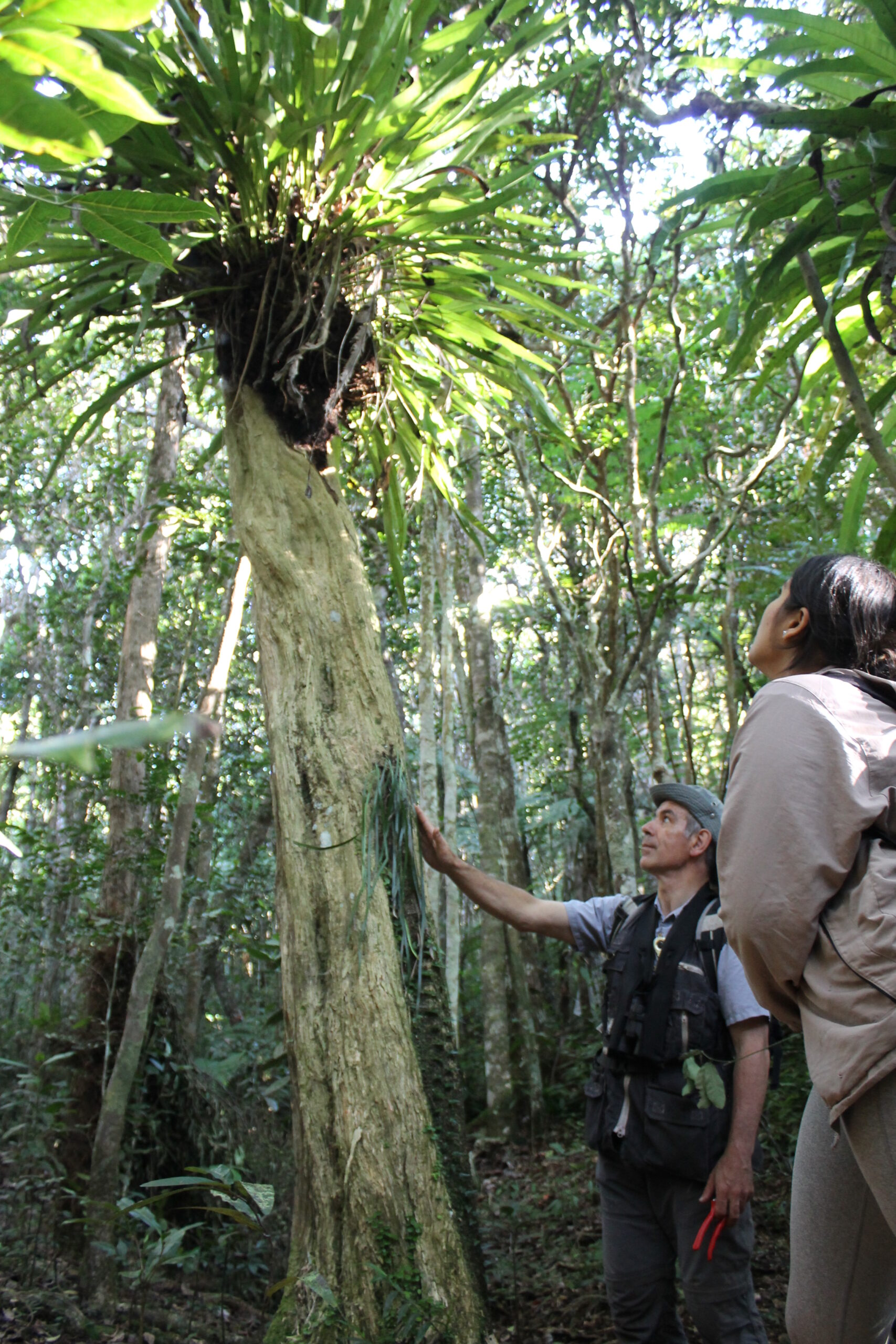
    Vincent Florens and an undergraduate student discuss the diversity of epiphytes found in a weeded section of forest at Black River Gorges National Park. Photo: Eva Colberg.

    The ongoing onslaught of invasion means there’s no time to waste for restoration ecologists like F.B. Vincent Florens, Associate Professor at the University of Mauritius. “We have so many rare species on the brink of extinction [over 80% of the island’s endemic flowering plants are threatened], and have to work at the same time and learn as we go.” His life experience and ecological studies point to invasive species management as the island’s best hope for restoration and conservation, which he likens to healthcare. “First you save the person from dying and then you can treat the other issues.”

    Although the views from Black River Gorges National Park are stunning, they also show the sparseness of the park’s forest overstory, with fewer and farther-between survivors.

    Although avian re-introductions and rewilding small islets with tortoises are sexier solutions than mere weeding, the best way to keep Mauritius’s mainland forests from dying is through invasive plant removal. After weeding, native trees in all forest strata produce more flowers and fruit, woody plants increase in species richness and seedling density, and butterfly diversity and abundance also increase. These many benefits can be furthered and maintained by follow-up weeding and other subsequent measures (including the promise of biochar to suppress weed regeneration).

    Recently described and known to only a few locations, the orchid (Polystachya jubaultii) grows in a weeded forest remnant at Black River Gorges National Park. Photo: Eva Colberg.

    Despite decades’ worth of evidence pointing to the efficacy of invasive plant removal in Mauritius, it still isn’t widely implemented. Less than 5% of the island’s few remaining forests have been weeded of invasive plants, and even the best-protected forests are already dominated by invasive undergrowth. Frustratingly, some of the resources that could be used for invasive removal have instead hindered restoration via removal of native pioneer and nurse tree species. “We can do a lot of science, can come up with a lot of facts, but how do we get people to do what they don’t want to do?” Indeed, it’s far easier to uproot a small plant than to change someone’s mind, and Prof. Florens has an entire country to convince that saving their native forests is not only possible, but worth the effort.

  • Bunkered ex situ plant conservation and páramo biodiversity farms

    Bunkered ex situ plant conservation and páramo biodiversity farms

    By Iván Jiménez (Center for Conservation and Sustainable Development, Missouri Botanical Garden), Carlos A. Vargas (Herbario, Jardín Botánico de Bogotá José Celestino Mutis), Carlos I. Suárez (Colecciones Vivas, Jardín Botánico de Bogotá José Celestino Mutis), and Erika Benavides (Finca Milmesetas, Pasca, Sumapaz, Cundinamarca, Colombia)

    As anthropogenic pressures on biodiversity mount, plant species conservation increasingly requires the integration of a variety approaches, including ex situ conservation: the maintenance of populations in intensively managed living collections. Conventional seed banking is commonly regarded as a particularly effective and efficient method of ex situ conservation, because a large number of seeds representing many species can be stored for long periods in relatively small spaces at seemingly low cost. It entails drying seeds to 15% relative humidity and storing them at −20 °C. For some “exceptional” species that cannot be easily represented in conventional seed banks, cryopreservation and associated methods are seen as good choices. In contrast, living collections of whole growing plants are often seen as relatively inefficient, requiring more space and care.

    A particular problem with seed banks and cryopreservation projects, however, is that they may suffer from a “bunkered” conception of biodiversity conservation. By example, the Millenium Seed Bank is a “flood, bomb and radiation proof” underground facility designed as a “global insurance policy” to conserve seed diversity. Although focused on crops rather than wild plants, the Svalbard Global Seed Vault has a similar bunker ethos, aiming to guard against the loss of plant diversity due “not only to natural catastrophes and war, but also to avoidable disasters, such as lack of funding or poor management”. These bunker-like seed banks invite obvious questions: what protects them from lack of funding, miscalculation, poor management or extreme political ideology?

    Both bunker-like seed banks are remarkable spatial concentrations of resources for ex situ conservation, seemingly at odds with the key biological insight according to which a large spatial spread decreases the probability of extinction. At the same time, these seed banks correspond to what Bruno Latour called “centers of calculation”, institutions where observations and specimens from faraway locations are amassed, organized and combined to produce scientific knowledge. Centers of calculation were foundational to the expansion of European colonialism. The Millenium Seed Bank and the Svalbard Global Seed Vault may be seen as contemporary extensions of the same colonial mindset, repurposed in the context of biodiversity conservation.

    While other seed banks might not seem as obviously colonial, many do dislocate plant propagules from their original wild plant populations and human milieu. Most plant diversity in ex situ collections is held in the Global North, largely away from sources at the main centers of plant diversity. Even seed banks focused on nearby regional floras remove propagules from their immediate human and non-human environments.

    And while not all seed banks boast about their bunker-like properties, many do sit well within the “ark paradigm”, whereby representative samples of species must be secured away (perhaps even in the back side of the moon, as suggested by a foundational paper) in preparation for a likely apocalyptic future of widespread extinction. The ark paradigm is clearly articulated in a chapter about the role of botanical gardens in ex situ plant conservation: “The primary goal of ex situ collections is to maintain a representation of the species as a source of material for restoration, should the species be lost in the wild, and this should be done as effectively and efficiently as possible”. This salvific post-extinction role for seed banks (let alone cryopreservation projects) seems to have little support in practice.

    An alternative to the ark paradigm suggests that ex situ conservation can play a primary role before the extinction of wild populations. Ex situ collections may be used for research, training, education, awareness-raising and incentive programs that directly target the causes of primary threats to wild populations. In terms of this pre-extinction role, the conservation value of ex situ collections may be determined by their geographic location. The primary threats to many plant species are local. To address the causes of such threats, the most valuable living collections may be those able to engage the human communities coexisting with threatened plants. Bunkered living collections, removed from the human and non-human environment of the source plant populations, would likely be ineffective and inefficient at this task.

    The alternative to the ark paradigm also suggests that ex situ conservation can play a central role in offsetting the effects of threats to wild populations, through the restoration of wild populations via reinforcement. Ex situ collections may provide plant stock for population management aimed at mitigating the effects of threats. Here, again, the geographic location of ex situ collections may determine their effectiveness and efficiency. Ex situ collections in the vicinity of threatened species would seem best for reinforcement programs. Moreover, issues related to propagation of whole growing plants would seem far more germane in this context than the worries about long-term storage prioritized by the ark paradigm and pursued in seed banks and cryopreservation projects.

    An initiative adopting this alternative view of ex situ conservation is taking place in the páramo de Sumapaz, perched on the Eastern Colombian Andes. Páramos are high elevation ecosystems that are central for provisioning water to human populations in the tropical Andes. They are perilously affected by global change. The páramo de Sumapaz occupies about 315,000 hectares and, based on analysis of a recently compiled and edited database, hosts more than 3,000 plant species. Although the conservation status of 76% of these species has yet to be evaluated, currently 64 species are known to be threatened.

    In this context, a group of researchers including local campesinos as well as staff and students from the Jardín Botánico de Bogotá, Parque Nacional Natural Sumapaz, Universidad Nacional de Colombia, Washington University in St. Louis, and the Missouri Botanical Garden, are engaged in participatory action research, with partial support from the Living Earth Collaborative. The aim is to develop the concept of “páramo biodiversity farms”, provisionally defined as properties in or near the páramo that derive economic benefits from at least one of four activities: i) biodiversity research, ii) education about biodiversity, iii) ex situ conservation of threatened plant species in living collections, and iv) plant stock production for population or ecosystem restoration.

    A pilot páramo biodiversity farm began in 2019 at “El Carmen”, a 40-hectare property in the Sumapaz region. This pilot is focused on an ex situ collection of plants in the genus Espeletia (Asteraceae). Although páramo biodiversity farms would include work on many other plants, the focus on Espeletia at El Carmen is strategic. First, Espeletia are dominant “nurse-plants” in páramos and largely determine the physical structure of these ecosystems. Second, despite being locally dominant, several taxonomic species of Espeletia are threatened. Third, obtaining meaningful monitoring data for conservation is often difficult because the species boundaries in Espeletia are poorly understood and field identification is problematic.

    Espeletia plants are dominant in páramos, as shown in the picture of the páramo de Sumapaz on the left. Orlando Romero, a campesino working for the Parque Nacional Natural Sumapaz, collects Espeletia seeds for the living collection at El Carmen. Photos by Iván Jiménez.

    The living collection at El Carmen serves multiple purposes. First, it is a “common garden” experiment, designed to understand species boundaries and phenotypic characteristics of Espeletia species from Sumapaz. The experiment entails propagating plants from seeds sourced from +500 mother plants occurring across the páramo de Sumapaz, initially in a nursery and subsequently in an outdoor landscape. Second, the living collection serves as a facility to train local students in plant biology and conservation. Third, the collection conserves ex situ threatened Espeletia species that are endemic to the Sumapaz region. Finally, the living collection may serve as a seed-increase field providing Espeletia plant stock for future population or ecological restoration projects.

    The picture on the left shows part of the living collection at El Carmen, including seedling trays (forefront), germination containers (right and back), and 3-year old plants in pots on the ground (back left). On the right Rudy Ortiz (left) and Natalia Beltrán, both biology students at the Universidad Nacional de Colombia, measure Espeletia seedlings at El Carmen. Photos by Erika Benavides.

    A central theme of the project is the participation of local campesinos as co-investigators and managers, alongside researchers and officials from academic and environmental institutions. Achieving true participatory research and exchange of knowledge across these actors is far from trivial. Nonetheless, a concrete result of the project is that co-investigators, including campesinos, developed a sophisticated understanding of the phenotypic groups of Espeletia and their geographic distributions across Sumapaz, facilitating conservation monitoring programs. This increase in plant awareness among people coexisting with Espeletia plants is a key step towards addressing the causes of threats to páramo plant diversity. Campesino management of the ex situ collection at El Carmen (and the associated information) provides modest but direct economic benefits to a local family. We hope it also builds local capacity for the governance of biodiversity and collaborative relationships between campesinos and institutions focused on studying and managing biodiversity.

    Jorge Penagos (left) and Erika Benavides, both campesinos from Sumapaz, record survival of Espeletia seedlings in the living collection at El Carmen. Photo by Rudy Ortiz.

    The pilot biodiversity farm at El Carmen hints at how ex situ collections of whole growing plants may help prevent extinction of wild populations. This kind of collection is often thought to be inefficient because requirements of space and resources may be higher than for seed banks and cryopreservation. Collections of whole growing plants for ex situ conservation can indeed be costly when bunkered inside botanical gardens. But they can be more efficient when spread across lands owned by human communities coexisting with threatened plants. We suspect that páramo biodiversity farms may not be more costly than comparable seed banks in the Global North. And the benefits from páramo biodiversity farms would include ex situ collections that act not only as safeguards (the ark paradigm) but also as tools to prevent extinction in the wild and promote local (rather than colonial) biodiversity governance. Studies comparing costs and benefits, beyond back-of-the-envelope calculations, are needed to determine which approaches to ex situ conservation are more effective and efficient in different regions of the world.

  • Madagascar’s unique history has created unique restoration challenges

    Madagascar’s unique history has created unique restoration challenges

    Leighton Reid describes new research linking slow forest recovery to the ancient and protracted isolation that has made Madagascar a hotspot of global endemism – plus an example of working with local farmers to overcome these challenges and restore native rain forest.

    Madagascar is a special place with a special history. Separated by ocean from Africa and India for the last 88 million years, this isolated tropical island has fostered the evolution of plants and animals found nowhere else on Earth. Lemurs, couas, and the plant family Sarcolaenaceae are all examples of organisms that evolved only in Madagascar. Collectively, such endemic species make up more than 80% of all plants and animals there.

    Crested coua (Coua cristata), one of nine species in the genus Coua – all of which are found only in Madagascar. Photo credit: Olaf Oliveiero Riemer (CC BY-SA 3.0).

    Madagascar also has special problems. Almost half of the island’s forest has been cleared for agriculture since 1953, and remaining forests are at imminent risk. One recent study projected that if deforestation rates do not diminish soon, 93% of eastern Malagasy rain forest could be gone by 2070.

    The combination of a large proportion of endemic species and a high degree of habitat loss makes Madagascar a biodiversity hotspot. Some people call Madagascar one of the hottest hotspots because its endemism and habitat loss are so extreme.

    This week, a new study led by UC Berkeley PhD student Kat Culbertson identified another special problem in Madagascar: following disturbance, Malagasy forests recovery very slowly. Compared to other tropical forests around the world, Malagasy rain forests recover only about a quarter (26%) as much biomass in their first 20 years of recovery. Dry forests in Madagascar also recover more slowly, recovering just 35% as much biomass as American tropical dry forests over the same time period.

    Slow biomass recovery following disturbance in Madagascar (dark blue) compared to Central and South America (Neotropics), Africa (Afrotropics), and Asia (Asiatic tropics). Source: Katherine Culbertson et al. (2022) Biotropica.

    Why do Malagasy forests recover more slowly than forests in other regions? The answer may be related to Madagascar’s unusual evolutionary history. Culbertson and her co-authors developed four hypotheses and reviewed an array of scientific literature to evaluate support for each one.

    Four ways that Madagascar’s unique history could lead to slow forest recovery

    1. Native Malagasy forests lack resilience to shifting nutrient and fire regimes from current farming practices. Many rural people across Madagascar practice tavy, a farming method that involves clearing forest, burning it, and then growing rice – a staple crop. After one or a few years of growing rice, the land is allowed to recuperate for several years before it is cultivated again. In other tropical forest locations, such as southern Mexico where humans have farmed for thousands of years, similar practices can coexist with native forests, but Malagasy forests seem to have little resilience to tavy, as least at the intensity with which it is practiced today. For example, in eastern Madagascar, a 3-5 year tavy cycle can cause a native forest to transition to permanent herbaceous vegetation in just 20-40 years. The soil nutrient stocks in that fallow field may be as little as 1-6.5% of soil nutrients stocks in intact forest.

    2. Madagascar is an island, and islands tend to have more problems with invasive species. Goats in the Galapagos, brown tree snakes in Guam, acacia in Hawaii, and rats everywhere – these are just some of the ways that island ecosystems have been overwhelmed and transformed by invasive species. Madagascar is no exception. Rain forest regeneration at Ranomafana is stalled by invasive guava, eucalyptus, and rose apple, while dry forest regeneration at Berenty is inhibited by a vine – Cissus quadrangularis. People in Madagascar have many more anecdotes about problems with invasive species like silver oak and Melaleuca quiquenervia, although the extent and impact of these invaders on forest recovery have not yet been studied.

    3. Old, weathered soils have favored the evolution of slow-growing native plants. Madagascar is not only an island, it is a very old island, and as such its soils have been weathered and depleted of important nutrients like phosphorus. It’s hard to separate the effect of inherently low nutrient availability due to being an old island from the effect of human-induced nutrient scarcity through tavy, but one comparison of phosphorus content in rice stalks showed that phosphorus content was 10× lower in Madagascar compared to the rest of sub-Saharan Africa. If native trees have evolved to grow more slowly in Madagascar because of low nutrient availability, then on average exotic tree species should grow faster than native Malagasy ones in the same gardens. This has been shown in a few cases, but a more compelling analysis would need more species.

    4. Finally, Malagasy forests have dysfunctional seed dispersal. One way in which Madagascar is different from other tropical areas is that by and large its trees have evolved to have their fruits dispersed by lemurs. Unfortunately, many of the lemurs that could disperse Malagasy tree fruits are either extinct or endangered – in many cases due to a combination of hunting and habitat loss. Moreover, the lemurs that remain are reluctant to venture outside of forest fragments (perhaps with good reason) and so they are unable to disperse seeds to regenerating farmlands that most need them.

    Black and white ruffed lemur (Varecia variegata) – a critically endangered seed disperser in eastern Madagascar. Photo credit: Tim Treuer.

    In essence, the ancient and protracted isolation that has made Madagascar so unique has also made it uniquely vulnerable to contemporary changes like deforestation, fire, and agriculture. The result is an unfortunate combination: Madagascar not only has some of the highest deforestation rates, it is also one of the places least ecologically equipped to rebound from those disturbances.

    A mosaic of mature tropical dry forest and forest restoration at Berenty in southern Madagascar. Photo credit: Ariadna Mondragon Botero.

    The way forward – working with local people

    Despite these challenges, Madagascar has committed to restoring four million hectares of lost habitat by 2030, an area nearly 7% the total national territory. This is a tall order in a country where technical difficulties are high and financial resources are often low, but it can be done, and the way forward, undoubtedly, is to work with local people.

    One group that exemplifies bottom-up restoration is GreenAgain, a non-profit restoring native rain forest and supporting rural livelihoods in eastern Madagascar. GreenAgain is led and staffed by farmer-practitioners whose neighbors, family, and friends contract with GreenAgain to design, plant, and monitor diverse native forests on their lands. Last year, GreenAgain staff planted 20,000 trees across central eastern Madagascar, each one carried by hand, on foot, from one of eight regional tree nurseries. The rural farmers at GreenAgain collect rigorous data on tree survival and growth and collaborate with scientists to analyze and share the results of their tree planting experiments.

    For example, one of the earliest experiments at GreenAgain was an assay of tree planting strategies intended to improve native tree seedling survival during plantings that occur in the dry season. Trees planted during the dry season typically have high mortality, sometimes in excess of 40%. One of the strategies that local farmers recommended to improve survival was to erect small teepees over each seedling using the leaves of a common fern, Dicranopteris linearis. These structures are temporary – they eventually dry out and blow away – but GreenAgain’s experiment showed that they reduced transplant shock (i.e., mortality in the first few weeks) by 75% compared to seedlings that were left to bake in the hot sun. In contrast, many of the other treatments had no discernable effect.

    To analyze and publish these findings, GreenAgain partnered with an award-winning undergraduate researcher, Chris Logan, in my lab at Virginia Tech, who led a peer-reviewed paper that is now available at Restoration Ecology.

    Leaf tent made with a ubiquitous fern, Dicranopteris linearis, placed over a native tree seedling. Photo credit: Catherine Hill.

    Could technological solutions like hydrogels or irrigation systems produce greater improvements in dry season tree survival? Yes – they probably could for a certain price, but homegrown solutions like fern leaf shade tents are free and easily accessible to any person doing restoration across eastern Madagascar. They are also more likely to be used because they were developed by local people.

    This study also showed that some native tree species are much better at coping with dry season stress than other species, so another possible solution for dry season plantings could be to plant only the tough survivors. Once those trees survive and begin to produce shade, fern leaf tents may not even be needed anymore to help more sensitive native species survive and grow.

    To read more about ongoing restoration and ecological research in Madagascar, read our new review of how Madagascar’s evolutionary history limits forest recovery and our new open-access paper about strategies for dry season plantings in eastern Madagascar.

    If you are in a position to support the work of local farmers restoring rain forests in eastern Madagascar, consider donating to GreenAgain at their website, greenagainmadagascar.org.

  • Planting trees recovers 70 years’ worth of dead wood carbon pools in less than two decades

    Planting trees recovers 70 years’ worth of dead wood carbon pools in less than two decades

    By Estefania P. Fernandez Barrancos, a PhD candidate in Biology at the University of Missouri – St. Louis and a fellow of the Whitney R. Harris World Ecology Center. Her most recent research paper in Forest Ecology and Management is freely available through March 9th.

    When most people walk through a forest the last thing they probably look at is dead vegetation, and unless you are an avid mushroom harvester you probably don’t even notice dead logs. However, dead wood stores an important amount of carbon. An amount important enough that if dead wood disappeared it could promote more changes to our already rapidly changing climate.

    Mushrooms on a dead log. Photo: JL Reid.

    Dead wood is also a crucial habitat for many organisms such as fungi, insects, and birds. Many insects and fungi use dead wood as a source of food and nutrients, and several species of birds are only able to nest in dead logs.

    A Resplendent Quetzal (Pharomachrus mocinno) exiting its nest inside a standing dead log to go harvest food for its fledglings. Photo: Estefania Fernandez.

    Anthropogenic disturbances, such as logging and deforestation, can significantly decrease the amounts of dead wood present on the forest floor, sometimes leading to losses of up to 98% of dead wood. The implications of dead wood loss are potentially warmer temperatures due to the release of carbon contained in dead wood as well as the loss of habitat that is critical to many forest organisms. Tropical ecosystems contain some of the most biodiverse habitats on Earth, yet they are among the ecosystems that suffer the most from anthropogenic disturbance. For example, most forests in the county of Coto Brus in Southern Costa Rica, our study area, were transformed into cattle pasture or coffee plantations in the 1950s-1980s. Today, the landscape consists of a mosaic of cattle pasture, coffee plantations, and small forest remnants.

    Deforestation to create farms and cattle pastures has decreased the amount of dead wood in southern Costa Rica. Photo credit: JL Reid.

    Forest restoration is the process of assisting the recovery of an ecosystem that has been damaged or destroyed (SER International Standards) and it has a high potential to reverse the problem of dead wood loss through different strategies. In the Tropics, the most common restoration strategies are passive and active restoration. Passive restoration consists of allowing an ecosystem to recover with minimal to no human input.  In contrast, active restoration consists of assisting the ecosystem in its recovery through actions such as tree planting.

    Old-growth forest (A) and and two restoration treatments: tree plantations (B) and natural regeneration (C). Old-growth forests are ≥100 years old. Plantations and natural regeneration were 16-17 years old at the time of the study. Photos:  Juan Abel Rosales & Estefania Fernandez.

    Recently, I studied the pattern of dead wood re-accumulation through time after disturbance in southern Costa Rica as well as the effectiveness of passive and active restoration at recovering dead wood as it is found in undisturbed forests. To evaluate dead wood accumulation through time, my team and I surveyed dead wood volumes inside 35 forest patches of increasing ages (from 3 to over 100 years old) that were former coffee plantations. We evaluated the effectiveness of active vs. passive restoration at recovering dead wood by surveying dead wood volumes inside 17-year old passive and active restoration plots and inside nearby old-growth forests. Our passive restoration treatment was represented by natural regeneration plots around which fences were established to exclude cattle and where vegetation was allowed to re-establish naturally. Our active restoration treatment was represented by restoration plantations, where seedlings of two native (Terminalia amazonia and Vochysia guatemalensis) and two naturalized (Inga edulis and Erythrina poeppegiana) tree species were planted 17 years ago to facilitate the re-establishment of vegetation. Our reference ecosystem included nearby old-growth forests over 100 years old.

    Juan Abel Rosales measures the diameter of dead logs in order to estimate their volume in an old-growth forest in Southern Costa Rica. Photo: Estefania Fernandez.
    To measure the diameter of dead, rotting logs, we measured the distance between two tent poles set vertically along the logs’ edges. Photo: Estefania Fernandez.
    Jeisson Figueroa Sandí establishes a transect to evaluate dead wood inside a forest fragment. Photo: Estefania Fernandez.

    We found that dead wood recovers following a logistic shape through time in our study area: volumes are low initially, increase rapidly, and then plateau. The low volumes of dead wood at the beginning of succession could be explained by the fact that most of the wood remains are typically harvested by local inhabitants after lands are abandoned in our study area. As pioneer trees recolonize abandoned coffee plantations and subsequently die, they produce dead wood. As the forest grows older, there is a mix of short-lived pioneer trees and long-lived trees which contribute to large amounts of dead wood on the forest floor through branchfall and their own deaths.

    Dead wood volumes as function of forest age in a chronosequence of secondary forests in southern Costa Rica. Blue dots represent the raw data (i.e. course woody debris, or CWD, volumes per hectare). The red line represents the predicted values from a generalized linear model plotted using a smoothing function. Eight outliers that were included for the analysis where CWD volume per transect was ≥125 m3ha-1 were removed for better visualization. CWD volumes in plantations (purple dot), natural regeneration (yellow triangle) and five nearby old-growth forests (green dot) are also represented. Mean CWD volumes per hectare for each restoration plot (n=5) and corresponding 95% confidence intervals are shown.

    We also found that restoration plantations contain 41% of dead wood amounts found in old-growth forests, whereas natural regeneration only contained 1.7% of dead wood volumes found in old-growth forests. The extremely low recovery of dead wood in natural regeneration might be explained by the fact that our natural regeneration plots were dominated by exotic grasses which typically hamper tree colonization. If there are no trees growing in the plots, there cannot be dead wood either. This is an important finding, because it shows that restoration plantations area a faster and more efficient way to recover dead wood in this fragmented, pasture-dominated landscape, even though this restoration strategy might be more time consuming and expensive due to the costs and time of planting seedlings.

    Overall, our study unveils an important forest process, showing that dead wood carbon pools recover following a dynamic logistic pattern through time in this Neotropical forest region. Knowing that dead wood is 50% carbon, our findings allow us to predict carbon stocks in Neotropical forests more accurately. Our study also shows that restoration plantations accelerate the recovery of dead wood carbon pools in this Neotropical ecosystem, and potentially promote the preservation of dead wood-associated biodiversity.

    For more information, see our recent paper in Forest Ecology and Management, which is freely available online through March 8th, 2022.

  • 30 dump truck loads of coffee pulp help restore a Costa Rican rainforest

    30 dump truck loads of coffee pulp help restore a Costa Rican rainforest

    Rakan “Zak” Zahawi is the executive director of the Charles Darwin Foundation in Galápagos, Ecuador. He and his collaborator, Rebecca Cole, partnered with a coffee processing plant to repurpose farm waste and help restore a rainforest. Read more about the project in an open access article in Ecological Solutions and Evidence.

    From the very first time I saw the results of the orange peel project on the ground back in 2004 I was sold! What a brilliant idea I thought – use the waste products generated from the production of orange juice (and any related citrus products) to regenerate degraded habitats where expansive dry forests were once found. The idea was Dan Janzen’s, an ecologist at the University of Pennsylvania who has worked in northern Costa Rica for the better part of 50 years. At the time I was working for the Organization for Tropical Studies (OTS) and given that I work as an ecologist in forest restoration, a colleague thought I might be interested.

    One of thirty dump truck loads of coffee pulp, locally called brosa, spread on former farmland to restore rainforest in southern Costa Rica. Photo credit: Rebecca Cole.

    The idea is simple, take truckloads of agricultural waste (in this case orange peels) and spread them in a layer ~0.5 m thick across hectares of extremely degraded land dominated by forage grasses. Under the tropical sun this layer generates an enormous amount of heat, and in the process of ‘cooking’ down it asphyxiates and kills the forage grass that is notoriously difficult to eradicate. At the same time, birds and other seed dispersers visit the site, attracted by the abundant larvae helping to decompose the material. The net result is a lot of organic material and nutrients and many seeds dispersed combining to help jump-start the recovery of a degraded habitat and return it to a forested state.

    I never forgot that visit and over the years that I worked in southern Costa Rica as Director of the Las Cruces Biological Station (a field station run by OTS) I always thought of trying the study there. The difference was that there was no orange production in the region but another agricultural byproduct was widely available – coffee pulp waste! I wondered – could the results of the orange project be replicated with another agricultural waste product? While the idea was always on my mind, it took more than a decade for me to actually test it after Rebecca Cole, a long-term research colleague who was based at the University of Hawaii expressed interest in collaborating.

    Before: a former cattle pasture in southern Costa Rica. Photo credit: Rebecca Cole.
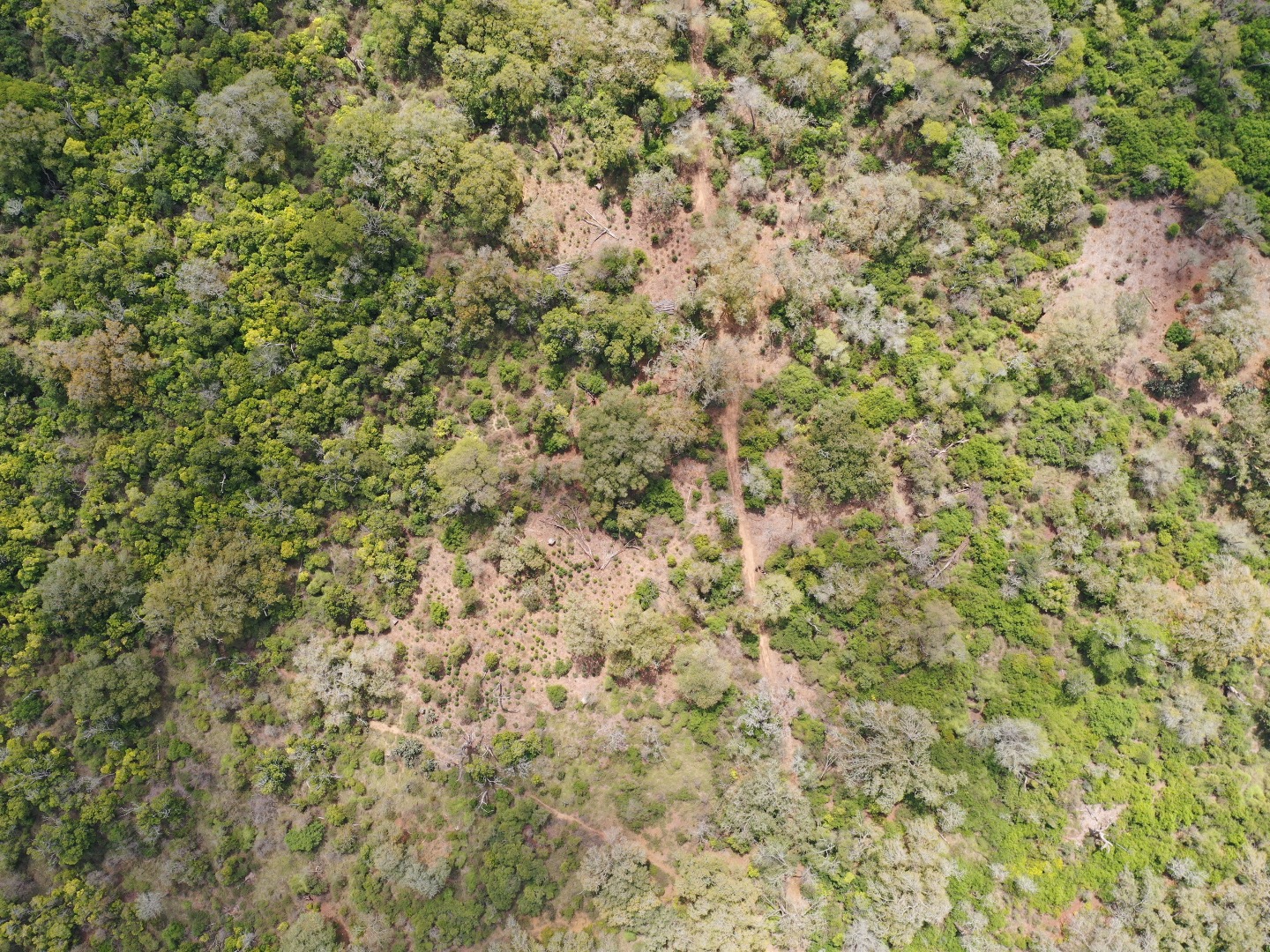
    During: coffee pulp piled half a meter high over the experimental plot. Photo credit: Rebecca Cole.
    After: the area piled high with coffee pulp rapidly grew into a secondary forest (left) while the control area remained covered in pasture grass, as it has been for decades (right). Photo credit: Rebecca Cole.

    With funds secured from the March Conservation Fund, we setup a modest pilot study with a 35 × 45 m plot buried half a meter deep. That’s 30 dump trucks – or 360 m3 of material! As with the orange peel study, this land was primarily degraded pasture and would have been slow to recover on its own. We monitored this and an adjacent similar-sized plot for 2 years and the results were nothing short of spectacular. While the control treatment languished with overgrown grasses with a few shrubs, the coffee waste plot was completely transformed. The grass was smothered and in its place a patch of young trees. All species were pioneers but they are nonetheless critical to the recovery process – and the fact that they dominated the entire plot was really promising. With time it is hoped that more mature forest species will come into this system and establish – and with a young canopy of pioneers providing a little shade, the conditions are perfect for this to happen!

    Drone image showing the area where coffee pulp was dumped (left) and the control plot (right) after two years. Photo credit: Rakan Zahawi.

    This study is a small pilot project, but the results speak for themselves. So does the coffee industry! Every year, millions of tons of coffee pulp waste are generated and finding a way to not only dispose of this waste in an ecologically sound manner, but also use it for habitat recovery is a win-win for everybody. It is exceedingly rare for industry to be able to pair up so seamlessly with conservation and restoration that it is hard to believe. Of course, there are hurdles – such as governmental regulations that manage such waste products, but the potential here is enormous.  And the next challenge before us is to see if we can bring this idea to scale and test the methodology across big areas of degraded habitat in the tropics. We will keep you posted!

    Read more about this project in a recent open-access article published in Ecological Solutions and Evidence.