Tag: Soil

  • From Soil Seed Banks to Seedlings: Deciphering the Natural Regeneration of Tropical Dry Forests in the Americas

    From Soil Seed Banks to Seedlings: Deciphering the Natural Regeneration of Tropical Dry Forests in the Americas

    By Viviana Londoño-Lemos

    Viviana Londoño-Lemos is a Ph.D. candidate with the Powers Lab in the Plant and Microbial Biology Program at the University of Minnesota. Email: vivianalondonolemos@gmail.com or londo074@umn.edu

    The tropical dry forest is a unique ecosystem that challenges many preconceived assumptions about the tropics. Unlike the iconic tropical rainforest, dry forests are highly seasonal, marked by distinct dry and rainy seasons. In some areas, plants may experience up to six months without rainfall. As a result, the species inhabiting these forests have evolved remarkable adaptations to thrive in this challenging environment, giving rise to exceptionally diverse plant communities. However, this unique diversity is under threat, as tropical dry forests are among the most threatened lowland ecosystems in the tropics. Urban expansion, mining, monoculture agriculture, and livestock production are among the main threats to this ecosystem. The loss of these forests not only endangers biodiversity but also jeopardizes the livelihoods of many human communities that depend on them.

    Given their threatened status, tropical dry forests have become a major focus of restoration efforts across the tropics. However, these efforts often lack critical information on how these forests naturally regenerate and how abiotic environmental conditions, such as light, water, and nutrient availability, influence seed and seedling survival in this ecosystem. During my PhD, I have been studying how abiotic environmental conditions shape natural seedling regeneration in tropical dry forests across Colombia and Costa Rica. My research focuses on three components of this regeneration cycle: the formation of the soil seed bank, the environmental conditions that drive germination, and the establishment of young seedlings.

    Tropical dry forest during the dry season in the Natural National Park Santa Rosa, Guanacaste, Costa Rica. Note how many of the trees lose their leaves due to water stress. Photo by Viviana Londoño-Lemos.

    Germination and establishment: the great choices in a plant’s life

    Germination is the most consequential choice a plant makes. Because plants are sessile organisms and germination is an irreversible process, the location where a seed germinates determines the environment where the plant must grow, compete, and reproduce for the rest of their lives.

    This story begins with a seed, which is the fertilized ovule of a plant. Each seed is a highly specialized structure that consists of three basic components: a protective seed coat, the nutritious tissue, and the plant embryo. Many seeds also include specialized structures that aid dispersal and sense environmental conditions, helping them determine when conditions are suitable for germination.

    Once seeds mature, the next step is dispersal in both space and time. Spatial dispersal determines how far a seed travels from its parent, whereas temporal dispersal determines when it germinates. Thus, natural seed regeneration depends on seeds arriving in the right place at the right time. Spatial dispersal of many tropical plants, particularly those dispersed by animal vectors, has been widely studied. In contrast, temporal dispersal, encompassing the study of soil seed banks within plant communities, remains understudied. Understanding both dimensions of seed dispersal is essential for assessing the regeneration potential of plant communities, an important consideration when designing plant-based restoration strategies, because it provides information on what species need to be planted versus which may regenerate naturally.

    Soil seed banks are the storage of viable seeds in forest soil. In theory, the soil seed bank of a given plant community contains seeds representing the species present in the vegetation aboveground. But not all seeds behave the same way. Seeds from some species persist in the soil until the next germination season — typically the rainy season in tropical dry forests— after which they germinate or die (transient species). Others persist for years, decades, or in exceptional cases, even centuries (persistent species). Understanding soil seed bank strategies helps identify which species have the potential to regenerate naturally.

    Once the appropriate spatiotemporal conditions are met and a seedling emerges, the next step is its establishment, defined as the transition from reliance on maternal sources (the seed) to physiological self-sufficiency. This critical bottleneck in the plant life cycle depends on the biotic and abiotic interactions of the seedling with its new environment. Biotic interactions, including mutualistic associations, predators, pathogens, and natural enemies, are widely assumed to explain the extraordinary diversity of tropical ecosystems. However, in seasonal ecosystems such as the tropical dry forests, abiotic interactions such as water, light, and nutrient availability play an important role in seedling survival. Environmental shifts, particularly in water availability, directly influence whether a seed successfully germinates and whether the resulting seedling survives long enough to establish. Understanding these processes is essential for designing effective restoration strategies grounded in the biology of the species they aim to support.

    A seedling of Enterolobium cyclocarpum at the Horizontes Forest Research Station, Guanacaste, Costa Rica. Photo by Viviana Londoño-Lemos.

    The hidden regeneration potential of tropical dry forests

    When planning a plant-based restoration project, understanding the site’s history, particularly its historical plant communities, is essential. Even after vegetation has been lost, soil often retains biological relics, such as persistent soil seed banks, of past communities. For many tropical woody species, soil seed banks are often considered transient, since tropical forests are not typically viewed as strongly seasonal systems. However, with distinct dry and wet seasons, tropical dry forests are a striking exception.

    To determine whether tropical dry forest species rely primarily on persistent or transient soil seed banks, we conducted experiments in the Tayrona National Natural Park in Colombia and at the Horizontes Forest Research Station in Costa Rica. Our goal was to assess how long selected species can survive in the soil. Because this experimental approach can be time-consuming and challenging, we also measured key seed traits such as seed dormancy type, dispersal syndrome, seed coat thickness, mass, volume, moisture content, and embryo-to-seed ratio to identify which seed traits are related to soil seed bank persistence.

    Our first experiment, conducted in Costa Rica, aimed to determine the extent to which tropical dry forest species form persistent or transient soil seed banks and whether canopy openness influences soil seed bank formation. For this experiment, we buried mesh bags that contained seeds from 15 liana and tree species under both canopy gaps and closed forest conditions. We retrieved the bags annually over three years and tested seed viability each time. After one year, only five species exhibited a persistent soil seed bank, suggesting that most species form transient soil seed banks and do not persist beyond a single rainy season.

    To explore this result in greater detail and determine whether transient species survive only until the first rainy season, we conducted a second experiment with 40 species, using shorter intervals between packet retrievals. This experiment was carried out in both Costa Rica and Colombia, in collaboration with researchers and students at the University of Magdalena. We evaluated seed viability after 3, 6, and 13 months.

    Although data analysis is still underway, preliminary results indicate that approximately half of the species employ a transient strategy, while the remaining half are persistent. Transient species tend to disappear from the soil seed bank, either by germinating or dying, by the end of the first rainy season. Persistent species, in contrast, retain their seeds longer, and in some cases germinate only a couple of seeds per year. Some species with persistent seeds tend to survive longer in canopy gaps. As for seed traits, we have observed a tendency for transient species to be wind-dispersed, possess a thinner seed coat, and lack physical dormancy (i.e., no impermeable seed coat). On the other hand, persistent species tend to have seeds with thick coats, physical dormancy, and are more commonly dispersed by gravity (autochory). We expect that our results will help inform decisions in selecting species best suited for planting in restoration efforts. More broadly, the results highlight the importance of understanding the soil seed bank strategies of candidate species in ecological restoration projects.

    Soil seed bank experimental setting at the Tayrona National Park in Magdalena, Colombia, in partnership with the University of Magdalena. Each mesh bag contains seeds of a single species; each row represents a harvesting period (3, 6, or 13 months). Photo by Viviana Londoño-Lemos.

    Germination sensitivity to hydration and dehydration pulses in the tropical dry forest

    Due to the pronounced seasonality, the main germination cue for tropical dry forest species is the onset of the rainy season. However, during the dry season, occasional rain showers may last for a couple of days. This means that the seeds of tropical dry forest species may be exposed to unpredictable rainfall pulses that can trigger premature germination at an unfavorable time of year, placing young seedlings at high risk of mortality.

    To understand how sensitive seeds are to hydration-dehydration cycles, we designed an experimental approach under lab conditions. We selected ten tropical dry forest species with varying seed morphology (e.g., seed dispersal types and sizes) and measured imbibition curves to assess the presence of physical dormancy. The imbibition curves also allowed us to determine the rate of water uptake and the time required for the water-intake percentage to reach different levels. Using data from the imbibition curves, we designed hydration and dehydration cycle experiments and set the germination chamber temperature to match the mean temperature measured in the soil seed bank experiments. We are currently working on this experiment. We expect the results of these experiments to inform us about the germination requirements of tropical dry forest species and the extent to which these species are vulnerable to changes in their normal seasonal patterns.

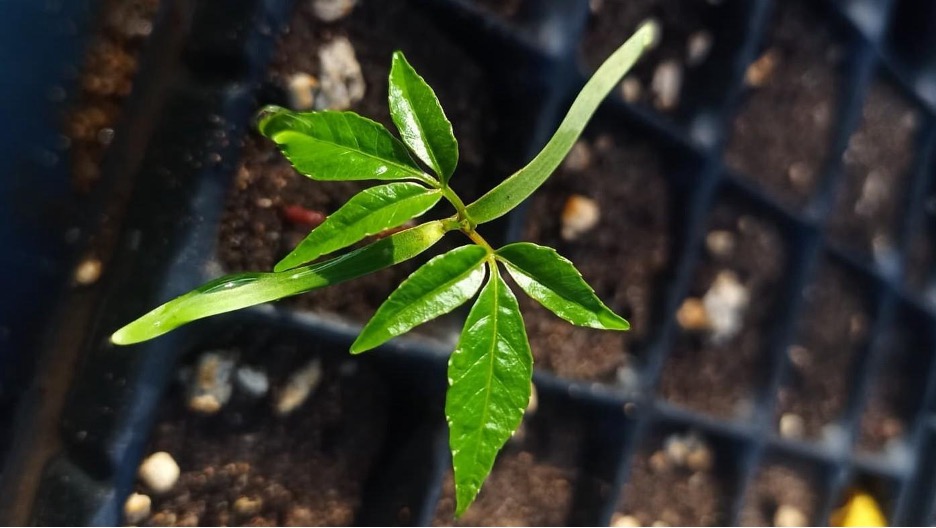
    Seedling of Spondias mombin in a nursery of the University of Magdalena, Colombia. This is one of the seedlings from the soil seed bank experiment that is germinating after one year. Photo by Luciano Macías Sposito.

    Demographic response of tropical dry forest seedlings to nutrient addition

    In addition to studying germination and seed persistence, we also evaluated nutrient limitation, a factor long proposed to limit seedling establishment in tropical ecosystems. A central biogeochemical dogma is that newly formed temperate soils are primarily limited by nitrogen, whereas tropical soils are typically limited by phosphorus. Although many experiments have tested this idea, results across tropical ecosystems are inconsistent, indicating the complexity of nutrient-plant interactions in the tropics.

    To investigate nutrient limitation in tropical dry forest species, the Powers lab established a factorial fertilization experiment with nitrogen and phosphorus at the Horizontes Forest Research Station in Costa Rica. This experiment tested the responses of the adult plant community to nutrient addition. One of the main findings of this experiment was that nitrogen-fixing legumes, a dominant functional group in tropical dry forests, showed a marked increase in growth to phosphorus addition, while non-nitrogen-fixing species exhibited variable responses. However, most studies evaluating seedling responses to nutrient addition are conducted in nurseries, which may not accurately represent field conditions. To determine whether nitrogen-fixing species are limited by phosphorus and whether non-nitrogen-fixing species are limited by nitrogen during their seedling stage, we planted seedlings of ten tropical dry forest species (5 nitrogen-fixing legumes, 5 non-nitrogen-fixing) directly into the existing fertilization experimental plots. We measured their survival and growth for four years. Because field experiments introduce multiple sources of variation, we also measured other environmental variables, such as litterfall, light, soil moisture, and pH.

    After tracking these seedlings for four years, we found that fertilization treatments did not increase seedling survival. However, nitrogen-fixing species tended to produce more leaves in response to nitrogen and phosphorus fertilization than non-nitrogen-fixing species. These results highlight significant demographic variation and inherently high mortality rates characteristic of the seedling stage. They also challenge the common assumption that fertilizer addition promotes plant growth and survival in restoration projects. This study will be published this year. Stay tuned if you want to learn more about the findings.

    A seedling of Dalbergia retusa at the fertilization experiment at Horizontes Research Station, Guanacaste, Costa Rica. Photo by Viviana Londoño-Lemos.

    Some seeds for thought for the future

    Together, the chapters of my dissertation aim to deepen our understanding of how tropical dry forest species regenerate from seed. My main goal is to make this information useful for designing more effective restoration strategies for this threatened ecosystem. Across ecosystems worldwide, a key challenge is that it remains difficult to generalize about the factors that enable a seed to survive, germinate, establish, and ultimately become a mature plant. This complexity underscores the importance of continued research on seed and seedling biology, especially in ecosystems as dynamic and highly seasonal as tropical dry forests. 

    At the Powers Lab, we strive not only to advance fundamental scientific understanding but also to share our findings with the general public.  To that end, we develop science communication materials that make our findings accessible and engaging to a general audience. One example of this outreach is a forthcoming book from Missouri Botanical Garden Press, created to introduce children to the tropical dry forest and inspire curiosity about this remarkable and often overlooked ecosystem.

  • The hidden half of tropical forest recovery 

    The hidden half of tropical forest recovery 

    By Leland Werden

    Leland Werden, PhD, is a Senior Scientist at ETH Zurichlwerden@gmail.com

    I remember starting my PhD in 2012 with a strong desire to develop tools for recovering tropical forests around the world. My background was in ecosystem ecology, which had led me to spend time thinking about soil nutrient cycling and other belowground processes in different temperate forests across the Northeastern United States. What I didn’t realize at the time was that these forests were themselves an incredible regeneration success story.

    As agriculture moved westward to more suitable land between the 1870s and 1920s, New England farmers abandoned their fields and pastures, and forests naturally regenerated at scale. This century of intensive agriculture left a patchwork of land-use legacies that continued to influence forest composition and recovery in fascinating ways. I stumbled into this living laboratory as an undergraduate student at the Harvard Forest Long Term Ecological Research site, measuring forest recovery across this patchwork.

    One patch has stuck in my head since: a grove of the largest striped maples (Acer pensylvanicum) I’ve ever seen. Striped maple is typically an understory shrub that rarely reaches more than six meters (20 feet) tall. But in this tiny patch, about 20 individuals had ascended to the canopy and completely dominated the overstory. In chatting with one of the landscape ecologists on staff over lunch one day about this pattern, I learned that there used to be a farmstead there and the striped maples thrived on the elevated nutrients still present in the soil more than a century after the farm was abandoned.

    Despite having collected hundreds of soil cores in my life, sieved roots out of soil for months on end, and counted tiny soil fauna, I had never fully grasped how strongly soil type and land-use legacy could shape plant communities. That grove of striped maples taught me to look belowground to understand plant composition. Years later, when I began working in tropical forest restoration, some colleagues and I grew to understand that we were missing the same understanding on a large scale — focusing almost entirely on what grows aboveground while largely ignoring what happens beneath our feet when restoring tropical forests.

    This disconnect isn’t unique to tropical restoration. Across forest restoration projects worldwide, we count trees, measure canopy cover, and get excited to see the return of birds and dung beetles. These are important signs of recovery, but soils, roots, and the communities of organisms that live within are often overlooked. These living organisms drive water and nutrient cycling, contribute strongly to climate mitigation capacity, and also to long-term resilience that determine whether restored forests can withstand decades of droughts and other stresses to come.

    The recognition of this blind spot led some worlds to collide. A group of academics passionate about tropical root dynamics (TropiRoot) began to collaborate with multiple research groups working on restoration science across Europe, Latin America, tropical Africa, and the United States. Our core question was: How can resource-limited tropical forest restoration projects measure belowground recovery in a scientifically robust way? In the fall of 2023, my colleague Dr. Laura Toro and I, along with several others, started a working group to tackle this challenge. We met for three days in October of 2023 at the Yale School of the Environment and brainstormed a project that aimed to distill decades of research on soil science into priority indicators that capture the essence of soil recovery. 

    Our belowground restoration group meeting at Yale University and online in October 2023.

    A clear belowground monitoring gap 

    As we dug into global restoration monitoring frameworks and the scientific literature, the scope of this oversight became even clearer. A recent worldwide stocktake catalogued more than 4,500 indicators that restoration projects use to measure “success”. Of the 61 indicators chosen as highest priority, just one focused on belowground processes: soil carbon (Gann et al. 2022). Soil carbon is a notoriously difficult indicator to detect changes in, especially over the short timeframes most projects monitor.

    We then systematically reviewed almost 200 scientific studies on tropical forest restoration. Only 28 — fewer than one in seven — directly compared above and belowground properties at the same sites. Without these paired measurements, it’s really difficult to understand whether the recovering vegetation reflects holistic ecosystem recovery or if it might be masking soils struggling to recover from previous degradation.

    The problem extends beyond academic research. When we surveyed restoration practitioners across 14 Latin American countries, we heard a similar story: projects typically have only resources to evaluate aboveground recovery, and often only for the first few years after planting. This is despite having ambitious goals of restoring entire ecosystem processes and recovering biodiversity (Cole and Werden et al. 2024).The appetite to track recovery holistically is there, but accessible tools and protocols often aren’t, so we developed a short list of six indicators and some rules of thumb for belowground monitoring, lowering the barrier to capture belowground recovery (Toro and Werden et al. 2025). We summarize the indicators below. 

    Six indicators to track belowground recovery 

    The strength of these indicators is their simplicity, paired with the ability to robustly summarize belowground recovery over time. Most indicators can be measured with equipment that can be purchased at a hardware store, or analyzed by a basic agricultural soil lab, and the priority indicators selected all change over timescales that matter for restoration

    Physical – 

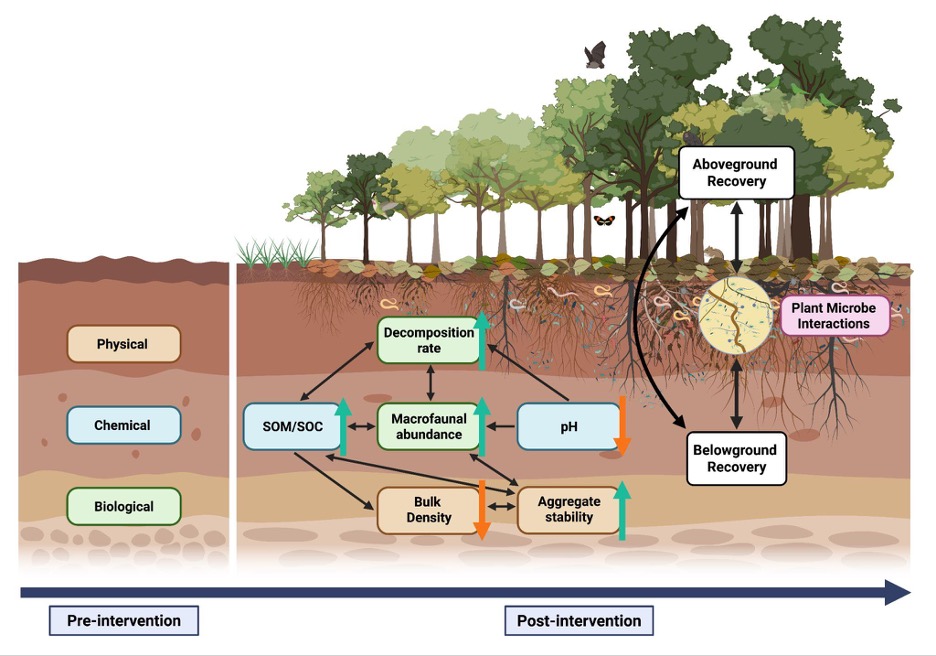
    • Bulk density tells you how compacted the soil is – or how much soil is packed into a given space. When forests are cleared, machinery and/or grazing animals can compress the soil, making it hard for water to soak in and plant roots to penetrate. We measure this by pushing a metal cylinder of known volume into the soil, drying the sample in an oven, and dividing the dry weight by the cylinder’s volume. High bulk density means compacted soil; low bulk density means less dense, healthy soil with space for air and water that roots can grow into more easily.
    • Aggregate stability captures how well soil particles stick together in clumps, which determines whether rain soaks in or runs off, carrying topsoil with it. In the past, measuring this required laboratory equipment, but now there’s a smartphone app called SLAKES that guides you through the process. You simply just take photos of soil chunks before and after soaking them, and the app calculates an index of how well they held together.

    Chemical – 

    • Soil organic matter is often called the engine of soil fertility — decomposed plant and animal material that holds nutrients and water. It’s what gives soil its color and smell. When land is cleared and intensively used, the organic matter is often burned away or gets washed off. As forests regrow, leaves fall, roots die and decompose, and organic matter slowly builds back up. You can measure it by sending dried soil samples to a lab. 
    • Soil pH can be thought of as a whole bunch of soil chemistry compressed into a single number — it determines which nutrients plants can access. Low pH (acidic soils) can lock up nutrients and sometimes reach toxic levels of aluminum. You can test pH easily in the field by mixing soil with water and using a simple pH meter, or sending a sample to a lab. 

    Biological –  

    • Decomposition rate gives you a window into how active the soil’s living community is, all microbes that break down dead material and release nutrients for plants to use again. We suggest measuring this using “decomposition bags” — mesh bags filled with a standard amount of leaf litter (or even tea bags if available) that get buried in the soil and retrieved after a set time to see how much material decomposed. Faster decomposition usually means a healthier, more active soil community.
    • Macrofauna abundance is the count of larger soil animals such as earthworms, termites, beetle larvae, and others. These soil animals create tunnels that let water and air penetrate, mix organic matter through the soil layers, and their castings can contain  lots of incredibly fertile nutrients. To measure this, you dig a small trench, carefully sort through the soil and litter, and count all the macrofauna you find. It can take time, but these animals can be excellent indicators of soil recovery.
    From Toro and Werden et al. 2025 – Conceptual diagram of the importance of the status of soil properties pre-intervention in tropical forest restoration projects, and the six key dynamic soil indicators we suggest measuring. The black arrows represent known links among soil indicators and between soil properties and above- and belowground recovery processes. The color arrows indicate the expected direction of change: green arrows for increases and orange arrows for decreases. Recovery is also shaped by the reestablishment of plant-microbe interactions, which mediate feedback loops between vegetation and soil processes.

    A simple way to get started

    As part of our paper we also developed some recommendations for practitioners to start implementing belowground monitoring:

    • When to sample: Before restoration begins, set a baseline, then measure every 5 years or more frequently if possible. 
    • Where to sample: The top 10 cm of soil captures most early changes. 
    • How many samples: 5-10 cores per plot usually gives a reliable average. 
    • How to report: Use standard units so your data can be compared across sites and integrated into broader monitoring efforts. 
    • Other measurements: If you already measure above ground recovery indicators, keep doing that. Some aboveground patterns offer clues about what’s happening below, but in many cases, especially for soil carbon or microbial activity, what you see aboveground doesn’t tell the full story.

    Why below recovery matters for restoration

    Understanding soil recovery has immediate practical implications for understanding restoration outcomes. Healthy soils speed up seedling establishment, improve drought resistance, and support robust carbon storage that can make tropical forest restoration a viable natural climate solution. But soil recovery can also help projects make better management decisions in real time.

    If bulk density measurements reveal severe compaction, you could adjust your species selection to favor deep-rooted trees that can help break up hardpan layers. If organic matter is low, you could experiment with compost additions or mulching. But, without measuring this belowground information at the outset and as your project progresses, these management decisions can become educated guesswork.

    An invitation to what’s next

    Through the SNAPP Monitoring Restoration Effectiveness (MoRE) working group, we’re now building a collaborative network that connects researchers with practitioners on the ground. Among other things, our goal is to develop straightforward protocols for monitoring  belowground indicators. These protocols will be tested in real-world conditions and adapted based on feedback from practitioners. We’re also compiling longitudinal data from any tropical restoration project that has measured an indicator of below- or above-ground recovery for a global synthesis that aims to develop best practices for restoration monitoring.  

    If you’re working to refine your tropical soil monitoring practices, or if you just generally want to get involved, we’d love to hear from you. 

    Take our questionnaire on monitoring practices –  Here

    Learn more about our data synthesis –  On our website

    Get in touch with the SNAPP MoRE team –  snapp-more@umn.edu

  • Accurately estimating restoration efficacy across large landscapes and timeframes

    Accurately estimating restoration efficacy across large landscapes and timeframes

    By: Dr. Allison Simler-Williamson

    Note from the editors: This month marks ten years since we started Natural History of Ecological Restoration! During the last decade, we’ve posted 127 times on a wide variety of ecological restoration stories from around the world. At the same time, our global readership has grown from 4,000 viewers in our first full year to more than 14,000 viewers in each of the last five years, with readers coming from 150 countries. At their best, NHER stories illuminate ecological restoration’s natural history, taken in the most inclusive sense to mean stories about the people, places, organisms, institutions, and interactions involved in ecological restoration projects.

    This month’s post by Allison Simler-Williamson (Boise State University) exemplifies this standard. In her post, Dr. Simler-Williamson describes how environmental conditions, land manager decisions, and restoration outcomes interact in complex and confusing ways – and she charts a path forward for better understanding the real-world impacts generated by restoration projects.

    A “randomized” experiment can be a beautiful and powerful tool in restoration ecology. Randomization ensures that an experimental treatment (such as a restoration action) is unrelated to any other environmental factors that might influence the outcome we are measuring (such as plant establishment). When we confidently compare plots that received an herbicide or planting treatment to adjacent “reference” sites, our estimation of restoration effectiveness hinges on this assumption of randomization.

    But, despite their elegance, randomized experiments are labor-intensive and often spatially or temporally constrained, limiting how applicable they may be to new areas or in atypical years. Thus, randomized experiments are increasingly mismatched with widespread ecological degradation and growing needs for restoration. Emerging “big data”, such as the US Geological Survey’s Land Treatment Digital Library, which contains information about more than 65,000 restoration treatments that have occurred on Bureau of Land Management land in the western United States, could help tackle the problem of understanding restoration efficacy across wide spatial and temporal scales.

    When we pivot to using these “observational” datasets, which are opportunistically collected, we incur an important tradeoff. We gain generalizability but lose the power of randomization because (and this likely is not a surprise to anyone working in restoration!) real-world management treatments are almost never applied randomly across large landscapes. Restoration occurs in certain parts of landscapes more than others, due to a mix of ecological need, bureaucratic constraints, and stakeholder decision-making processes.

    Why is this lack of randomization a problem when we want to leverage these kinds of large datasets? In statistics courses, I like to use some of my son’s favorite bathtime toys as an analogy for what can occur. When you pour water into these colorful pipes, the wheels spin, and my son loves to create networks between them. If the pipes are arranged as below (Figure 1A) with water flowing through them, it would be immediately obvious that there is no direct relationship between the wheels “X” and “Y” – they are simply both being spun by the water flowing out of “Z”. However, if I were to obscure the connections between the pipes (Figure 1B) and instead ask you, “Based on your observations, is there a relationship between X and Y?”, you could detect a correlation. Depending on your understanding of the system, you might assume that this link is a direct cause of X on Y, or vice versa.

    Figure 1. Confounding variables (Z) jointly impact a predictor variable (X) and our response (Y), biasing our understanding of the relationship between X and Y.

    This phenomenon is an example of statistical “confounding,” in which a background driver can bias our understanding of the relationship between two other variables. This potential for confounding is a big concern if we would like to estimate the efficacy of restoration treatments that were applied in non-random places or times because it can falsely inflate or shrink apparent effects in our analyses. For instance, if restoration actions (X) are disproportionately applied in dry areas (Figure 2a), and drought stress simultaneously reduces plant establishment (Y) (Figure 2b), the correlations between variables can cause a treatment effect to shrink (even if the treatment works!), if we ignore this lack of randomization in treatment applications.

    Figure 2. Non-random application of restoration treatments in real-world settings, due to ecological, social, and institutional processes, can bias estimation of treatment effectiveness.

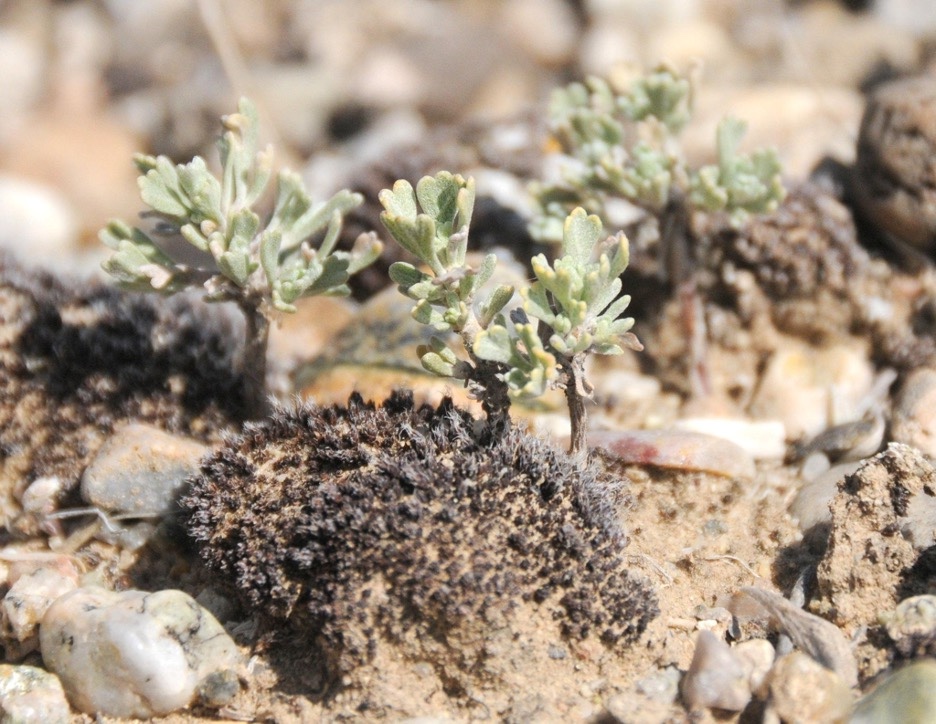
    In a 2022 study (Simler-Williamson and Germino 2022), we explored how the ‘non-random’ application of restoration seedings of big sagebrush (Artemisia tridentata) influenced our estimation of treatment effectiveness, using observations of post-fire seedings across the western U.S. in the Land Treatment Digital Library.

    When we used statistical models that assumed these restoration treatments were applied randomly, we found a somewhat counterintuitive result: a negative relationship between sagebrush seeding and sagebrush recovery. However, this statistical illusion emerged because of background relationships in our dataset: restoration seedings (Figure 2; X) tended to occur in hotter, drier, and more degraded places (Z), where plant establishment was already more difficult (Y). In short, restoration actions were disproportionately applied in more “dire” ecological settings, creating the illusion of failure.

    Next, we compared this approach to two sets of statistical methods designed to minimize the effects of confounders (“Z”) on our treatment effect. The first set of approaches required that we include pre-existing data about the hypothesized confounding variables directly into our model. When we accounted for some of these measured drivers of “non-random” seeding application using existing data about soil types, climate conditions, and fire impacts, restoration efficacy shifted from a negative number toward a neutral effect.

    Finally, the last set of approaches instead used repeated observations of sagebrush stands to ‘control for’ confounding variables, by accounting for pre-existing differences between treated and untreated stands before they had been seeded, rather than requiring the direct inclusion of measured variables. Only when measured and many unmeasured differences between treated and untreated sites were accounted for in our analysis, we revealed a positive impact (of ~4-6% in sagebrush cover by 10 years post-fire) of restoration seedings in degraded sagebrush ecosystems.

    The pattern we described in that paper underscores two key needs in restoration science: one social and one statistical. These results suggest that we urgently need better information about the socio-economic drivers determining where and when we apply restoration treatments, which are poorly described. The analyses that incorporated some common ecological drivers of restoration need (e.g., fire impacts, climate variables) only accounted for some of the bias in the effects of restoration seeding. The strong shift to positive impacts of restoration after “unmeasured” sources of bias were considered suggests that there are significant additional unmeasured processes that simultaneously shape where we attempt to restore and where plant populations recover. In the focal sagebrush steppe ecosystems, these may include diverse drivers such as seed availability, bureaucratic constraints, aesthetic considerations, cultural values, land use, and grazing management. Collecting and understanding these variables seems essential to advancing our understanding of restoration effectiveness broadly.

    But no matter how elegant randomized experiments are as a concept, they may not be able to generate estimates of restoration effectiveness at the broad spatial and temporal scales we require to manage rapidly changing ecosystems. As a community, I think we need to be integrating big, opportunistically collected datasets with statistical approaches that recognize the “messiness” of these data and aim to minimize the risk of confounding in treatment effects. Well-estimated treatment effects can improve how we connect restoration resources (such as seeds, time, and funding) with the locations where the ecological benefits may be greatest, both in space and time.

    For more information about Dr. Simler-Williamson’s work, see her lab website or her 2022 paper in Nature Communications.

  • Understanding the role of soil microbial communities in oak woodland restoration using DNA metabarcoding

    Understanding the role of soil microbial communities in oak woodland restoration using DNA metabarcoding

    By: Rachel Brant

    Rachel is a postdoctoral fellow in the Missouri Botanical Garden’s Center for Conservation & Sustainable Development whose research focuses on plant-pollinator interactions and using eDNA to advance the conservation and restoration of biodiversity.

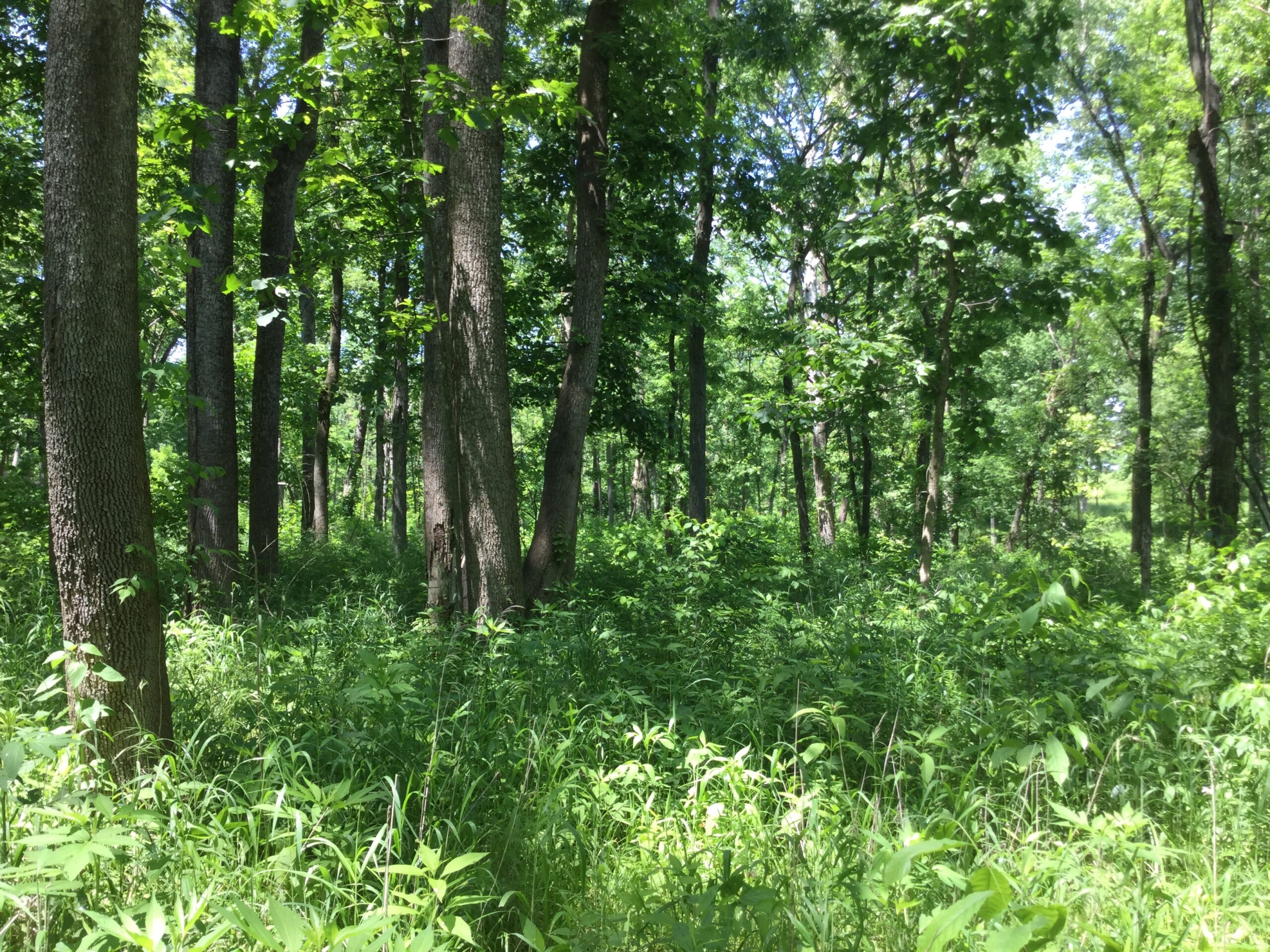
    Oak-dominated ecosystems occur in many areas of the northern hemisphere, support considerable biodiversity, and provide vast benefits to humans. Although notably absent from the southern hemisphere, oak-dominated or mixed-oak dominated forests are found across much of southern and central Europe, northeast Asia, and the eastern and central United States. Oak ecosystems range from closed forests with a dense midstory to open forests or woodlands with continuous canopy or widely spaced trees and dominance of herbaceous vegetation in the understory.

    Around 80% or more of the plant diversity in oak forest and woodland ecosystems in the eastern US, including a large proportion of rare species, resides in the herbaceous layer, which contributes significantly to nutrient cycling and overall ecosystem function. However, these forests and woodlands have suffered significant degradation over the past century, resulting in dramatic shifts in species composition and structure due to human land-use activities, invasive species, and alterations in disturbance regimes. In particular, fire exclusion has led to the encroachment of fire-intolerant tree species and nonnative shrubs, decreasing both understory light availability and the abundance and diversity of herbaceous plant species.

    Restoration of oak ecosystems usually involves prescribed burning or a combination of burning, canopy thinning, and control of undesirable woody vegetation. Although these restorative practices encourage the passive recovery of herbaceous flora, restored oak woodlands often lack conservative species in the understory. Unlike matrix or ruderal plant species, conservative plant species are those that depend on high-quality or minimally damaged sites and rapidly disappear with degradation. In addition, they often fail to recolonize sites naturally, making them potentially important targets for reintroduction.

    (Top) Degraded oak woodland at Missouri Botanical Garden’s Shaw Nature Reserve infested with nonnative shrubs and fire-sensitive tree species and (Bottom) Adjacent restored oak woodland after mechanical control of woody encroachment and six prescribed burns. Note the minimal sunlight penetrating the woodland floor and lack of herbaceous species in the degraded woodland relative to the restored woodland. Photo: (Top) Brad Delfeld and (Bottom) Matthew Albrecht.

    Conservative species are notoriously challenging to reintroduce in restoration projects, with soil microbes emerging as a key factor influencing their success. Arbuscular mycorrhizal fungi (AMF) are particularly crucial in this context; they enhance nutrient uptake and improve stress resistance, benefits that are especially valuable for conservative plant species with specific habitat requirements. For example, one study found that conservative species were more dependent on AMF and exhibited higher habitat specificity compared to less conservative species (Bauer et al. 2018). The practice of soil inoculation with whole soil, which presumably contains beneficial mutualists like AMF, is increasingly employed to boost plant growth and survival in restoration projects. Despite its growing popularity, though, the effects of soil inoculation on the establishment of herbaceous species in oak-dominated ecosystems remain poorly tested.

    Another factor that may affect the establishment of conservative plant species is the timing of reintroduction. Environmental conditions are predicted to be more favorable for the establishment of conservative species later in restoration, in part because soil symbionts facilitating plant establishment may only be found in later-successional sites. Alternatively, early restorations may lack the establishment barriers potentially encountered later in restoration, such as competition with established vegetation or soil legacies from early-arriving species, but could be deficient in important microbial mutualists often required by conservative plant species.

    To test these hypotheses, we examined the potential role of soil microbial communities on the performance of conservative herbaceous species using an oak woodland restoration chronosequence at the Missouri Botanical Garden’s Shaw Nature Reserve. First, we collected bulked field soil samples from three sites representing different restoration ages (young, intermediate, and old) based on their onset since restoration began (7, 16, 29 years ago) with prescribed burning, selective tree thinning, and non-native shrub control. We quantified several soil abiotic properties (e.g., pH, phosphorus, potassium, and nitrogen) and employed DNA metabarcoding to describe the microbial composition of the soil. DNA metabarcoding is a cutting-edge technique that identifies many taxa from an environmental sample by sequencing specific genetic markers from extracted DNA. This method provides a comprehensive snapshot of the microbial diversity present, allowing one to better understand otherwise cryptic below ground communities. 

    Conservative perennial forbs used in a greenhouse study to test the effects of soil inoculation young, intermediate, and old restored woodlands on plant growth: Geum virginianum (left), Solidago argute (center), and Solidago caesia (right). Photo credit: Gerrit Davidse (left) and Missouri Botanical Garden (center and right).

    Next, we conducted a greenhouse study with three conservative forb species, Geum virginianum, Solidago arguta, and Solidago caesia, testing their growth responses to soil inoculum from sites that differ in restoration age. These species are components of the regional species pool, but absent from restored oak woodlands at Shaw Nature Reserve. We placed germinated seeds of each species in quart-sized pots filled with a sterilized topsoil mix that mimic oak woodland soils. Each sterile pot (270 in total) was then inoculated with 10 mL of the bulked live field soil (approx. 1% by volume) sourced from one of the three restored sites. Plants were grown for 12 weeks in standard greenhouse conditions and then evaluated for growth using nondestructive measurements.

    Planting seeds of conservative forb species into soil inoculum treatments in a greenhouse study. Photo credit: Leighton Reid

    Tree species and soil microbial communities in restored oak woodlands 
    Not surprisingly, we found that younger restored oak woodlands, with historically fewer prescribed fires, had a greater abundance of fire-sensitive tree species (e.g., sugar maple, Acer saccharum) than the intermediate and older restored sites. However, younger restored woodlands also exhibited lower levels of soil phosphorus compared to older sites, consistent with previous studies that have shown greater levels of potassium and phosphorus in soils post-burning. Other soil abiotic properties, however, did not differ across the restoration chronosequence. 

    A grove of sugar maples (Acer saccharum) during autumn in the young restoration site at Shaw Nature Reserve. Photo credit: Mike Saxton

    Bacterial and fungal communities varied in composition across the restoration chronosequence. For example, Firmicutes, a phylum of bacteria noted for surviving in extreme conditions, such as in severely burned areas, was more abundant in soils from the oldest restored woodland, which experienced a greater number of prescribed fires than the other sites. In contrast, the fungal phylum Ascomycota was more abundant in restored woodlands of young and intermediate age. Members of Ascomycota include decomposers that break down organic materials and endophytes that form mutualistic or commensal associations with plants. 

    Plant-soil interactions in response to soil inoculation
    After 12 weeks of plant growth in the greenhouse, we found that forbs tended to grow larger leaves when grown in soil inoculum from the younger restoration site compared to the intermediate restoration site. Additionally, S. arguta and S. caesia grew longer leaves in soil inoculated from the intermediate compared to the old site, while G. virginianum plants tended to produce longer leaves when grown in inoculum from young relative to the old restoration site.

    Leaf length (cm) of three native forbs after 12 weeks of growth in whole-soil inoculations from young, intermediate, and old restored oak woodlands at Shaw Nature Reserve. Geum virginianum (GV), Solidago arguta (SA), and Solidago caesia (SC).

    Results from the DNA metabarcoding provide a clue as to why the soil inoculum treatments induced different plant-growth responses. Soils from the young restoration exhibited increased relative abundance of mutualistic microbes, including AMF and cyanobacteria, and decreased pathogenic taxa after conditioning by each of the three species. In contrast, the oldest restoration site had the greatest relative abundance of pathogens and the lowest relative abundance of mutualists. This enhanced microbial profile in young restorations may facilitate better nutrient uptake, and disease and stress resistance in plants. From a practical perspective, early-stage restorations may provide the most favorable soil microbial community for the establishment of conservative plant species in these oak ecosystems. One possible reason for this could be a shift in the increased relative abundance of AMF-associating tree species (e.g., maple) from older to young restored woodlands. AMF-associating tree species may harbor unique AMF taxa that resulted in increased herbaceous plant growth and AMF colonization for plants conditioned with young soil inoculum.

    Interestingly, although some microbial taxa exhibited consistent patterns across all plant species within an inoculation treatment, each plant species also associated with unique microbial taxa when grown in the same soil inoculum treatment. For example, the Glomeraceae, which includes AMF, was marginally more abundant after S. caesia was grown in young inoculum, whereas Ascobolaceae – fungi that feed on decaying and dead matter – was significantly abundant only when G. virginianum was grown in old soil inoculum. This means that species reintroduced during different stages of oak ecosystem restoration could influence key ecological functions by selecting for or against certain microbes, including pathogens that regulate plant community dynamics, decomposers involved in nutrient cycling, and mutualists that enhance plant performance. 

    Overall, our study demonstrates how restoration age can shape interactions between soil microbes and herbaceous plant species in restored oak woodlands. By better understanding these interactions, we can enhance the restoration and recovery of degraded oak ecosystems. However, an important and lingering question from our study is whether differences in plant growth and microbial communities observed in the greenhouse persist after the focal plant species are transplanted into the field. A study currently underway at Shaw Nature Reserve is addressing this question across different restoration ages and competition treatments. Our study reinforces global calls that emphasize the need for more research on the dynamic nature of plant-microbe relationships and interactions over time during restoration. Advancing scientific research on the relationship between the soil microbiota and ecological restoration practices is crucial for meeting local, regional, biome level and global restoration goals.

    If you want to learn more about microbial-herbaceous plant interactions in restored oak woodland, we invite you to read our recent paper in Ecology and Evolution.

  • Plant diversity, soil carbon, and ecological restoration in Virginia grasslands

    Plant diversity, soil carbon, and ecological restoration in Virginia grasslands

    Kathlynn Lewis is an undergraduate researcher in the School of Plant and Environmental Sciences at Virginia Tech. She is studying soil carbon storage as part of a larger project on grassland floristics, conservation, and restoration in northern Virginia. Keep up with her research on Twitter by following @KathlynnLewis.

    How many rare or “cool” plants do you drive by every day without noticing? Do you brake for Buchnera americana? Do you pull over for Pycnanthemum torreyi? This is something not a lot of people think about, and I didn’t think about either until very recently. The answer is that there are more cool plants along roadsides than you would think. Some of the rarest grassland plants in Virginia have found a home in roadside clearings and powerline cuts where regular removal of trees has created an opening for them to grow and sometimes thrive.

    This summer the Virginia Tech Restoration Ecology Lab team has been hard at work doing plant and soil surveys in several counties of northern Virginia. We are partnering with the Clifton Institute and Virginia Working Landscapes to find out where these rare grassland plants can be found and what are the greatest threats these populations face.

    American bluehearts (Buchnera americana) – a charismatic hemiparasite and rare denizen of high-quality Virginia grasslands. Photo by JL Reid.

    Many of the native vegetation surveys have taken us to the locations people might expect to find high-quality grassland plants, such as parts of Manassas Battlefield National Park where the soil and ecosystem have remained relatively undisturbed for almost 80 years. Other areas are much less expected. Rare plants also show up in power line right of ways and strips of roadside with tire tracks crisscrossing them in every direction and markers stuck in the ground indicating the soil was completely displaced to bury utility lines.

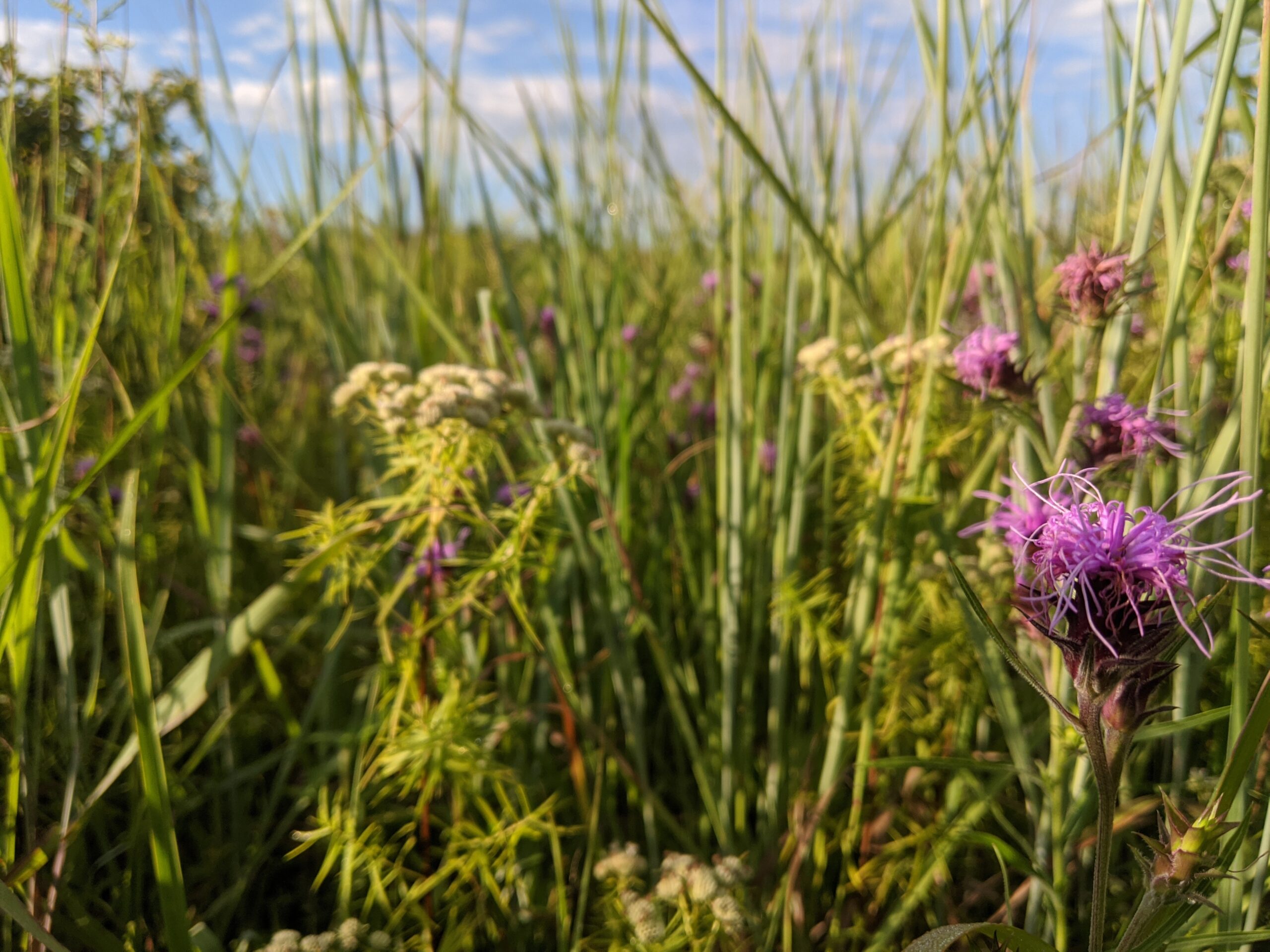
    A flourishing native grassland at Manassas National Battlefield Park. In July, it was bedazzled with the hot pink inflorescences of scaly blazing star (Liatris squarrosa). Photo by JL Reid.
    A hidden gem – high diversity native grassland along a back road in Culpeper County. The two lines show our 50 × 2 m sampling transect. Photo by JL Reid.

    During June, we collected samples from 29 sites to compare plant species diversity with the amount of carbon stored in the soil. We also sampled soils from grassland restoration plantings and pastures “improved” with tall fescue (Schedonorus arundinaceus) to compare the effect of different management practices and ecological restoration on soil carbon sequestration. The soil work is my part of the project. My prediction is that soil carbon storage will be greatest in diverse, native grasslands and lowest in degraded fescue fields. I expect that restored grasslands will be intermediate.

    A “blackjack” soil sample from a power line right of way in Culpeper County. This soil had so much clay you could pull it out of the probe and tie it in an overhand knot. Photo by JL Reid.

    Power line right of ways are an interesting focus of this study because they present both opportunities and challenges for plant conservation. Power companies keep these areas open by cutting out trees and spraying young sprouts with herbicide. This management is the only reason that grasslands exist in these places today, but the rare plants that live there are at constant risk of collateral damage. At least two of the areas that we sampled in June were sprayed in July, harming populations of rare plants like Torrey’s mountain mint (Pycnanthemum torreyi) and stiff goldenrod (Solidago rigida).

    Rose-pink (Sabatia angularis) next to a power line right of way in Prince William County. This plant can give away a good grassland even at 60 miles per hour. Photo by JL Reid.

    The vegetation surveying team has already observed over 450 species across the 29 sites sampled. Not all of these species are a welcome presence though. Invasive species appear to pose one of the largest threats to Virginia grassland ecosystems we have observed in the field. A newly emerging and particularly aggressive invader is joint-head grass (Arthraxon hispidis) which we have found in many of the sites we are sampling. This annual grass is similar to Japenese stiltgrass (Microstegium vimineum) but there is very little information about its effects on grassland ecosystems or methods for controlling it.

    Joint-head grass (tan-colored thatch) smothering one of the most diverse grasslands in northern Virginia. Photo by JL Reid.

    The plant survey team is now doing a second round of sampling to identify later-blooming species, and they are collating information about the land use history at each of our study sites. The soil samples we collected are currently being analyzed (by me) in a lab at Virginia Tech. We will start analyzing data in the fall and hope this summer’s fieldwork will help inform future research projects and the conversation around land management in Virginia grasslands.

    The author collects a panic grass (Dichanthelium sp.) for further observation. Photo by JL Reid.

    To find out how ecological restoration affects grassland soil carbon storage in northern Virginia, follow the author on Twitter @KathlynnLewis.